Federal and state courts are facing a series of urgent election-related lawsuits, with decisions expected to impact ballot counting, poll monitoring, and voter information as polls prepare to open.
Explainer Understanding the Supreme Court’s Impact on Law and Liberty
The core tension centers on disputes over state authority in election administration, federal oversight, and allegations of improper voting or misleading information.
These legal battles come as both parties and advocacy groups seek to influence voting procedures and ballot integrity, with several cases involving noncitizen ballots, federal election monitors, and voter guides in key states.
Supreme Court and Noncitizen Ballots
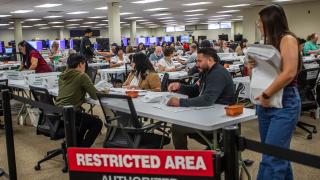
The Supreme Court on Monday denied the Justice Department's emergency appeal to require California to set aside more than 20,000 mail ballots from suspected noncitizens until their status could be verified. Lower courts, including the 9th U.S. Circuit Court of Appeals and a district court, had previously rejected the administration's request, emphasizing that states hold primary authority over elections.
On the same day, the Justice Department announced the arrest of six foreign nationals in Los Angeles County for registering to vote and voting in U.S. elections. First Assistant U.S. Attorney Bill Essayli said 34 defendants have been charged in "Operation Protect the Vote," though these criminal cases are separate from the civil litigation over ballots.
"Election Day is tomorrow. The Department of Justice expects all federal election laws to be followed. If you have a tip on illegal conduct—including but not limited to noncitizens voting, double voting, and ballot-box stuffing—contact the FBI: 1-800-Call-FBI or…"
— Attorney General Todd Blanche
State Sovereignty and DOJ Warnings
Democratic groups, led by the Democratic Senatorial Campaign Committee, have sued the Justice Department, arguing that federal warnings to state officials about legal liability for knowingly counting illegal votes interfere with state election authority. The U.S. District Court for the District of Columbia is expected to rule before voting ends.
The lawsuit focuses on DOJ demands that California and Washington state set aside ballots cast by suspected noncitizens. The Justice Department challenged the standing of the Democratic groups, stating in a court filing that its letters "do not create a formal rule" and "have no legal effect on their own as the letters themselves do not tabulate ballots, segregate ballots, or alter any individual’s voter registration status."
Other plaintiffs include the Democratic Congressional Campaign Committee, the Democratic Governors Association, and Democratic House and Senate leaders Hakeem Jeffries and Chuck Schumer. Neither the California nor Washington state election offices' responses are noted in the source.
Federal Election Monitors Dispute
The NAACP filed suit against the Trump administration Sunday, seeking to bar federal agents from serving as election monitors. The Justice Department intends to deploy at least 1,000 election monitors nationwide, a significant increase from the 500 deployed in 2016 but less than the nearly 2,000 sent in 2004. Plaintiffs asked the court to prohibit DOJ agents from carrying firearms, wearing badges, or using cameras near polling sites.
A DOJ spokesperson told the Daily Signal last week there are no plans for armed agents at polling locations. Kristen Clarke, a former Biden administration assistant attorney general, is among the plaintiffs' lawyers. A hearing was held Monday in the U.S. District Court for the District of Columbia.
Alaska and New Mexico Ballot Challenges
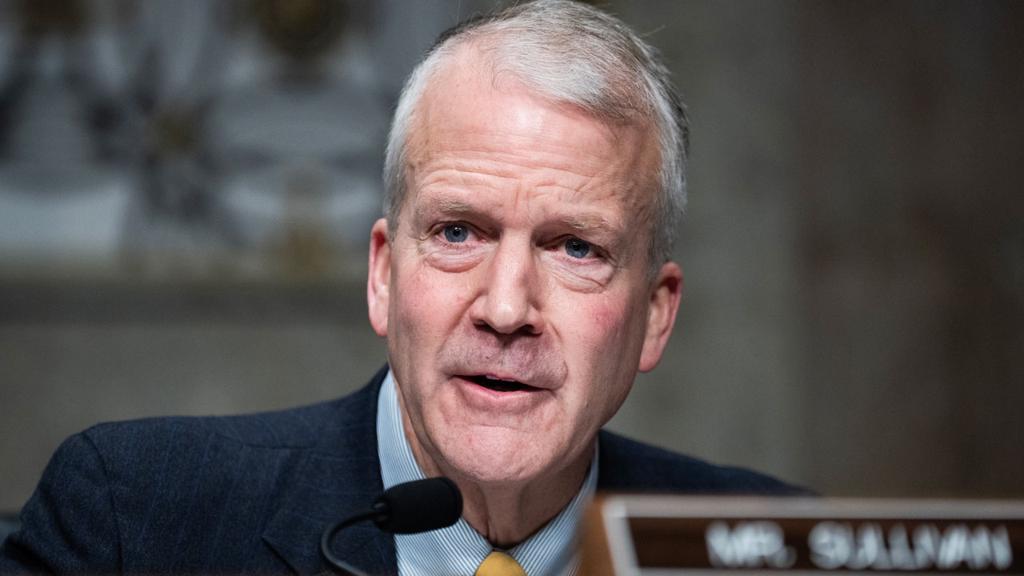
In Alaska, a federal judge dismissed on procedural grounds a DOJ lawsuit over the candidacy of Daniel J. Sullivan, who is running against incumbent Sen. Daniel S. Sullivan. The DOJ has appealed to the 9th Circuit. The case follows reports that aides to Democratic Senate candidate Mary Peltola recruited another candidate named Dan Sullivan to draw votes from the incumbent under the state's ranked-choice voting system.
In New Mexico, a state court is expected to rule before Election Day on a Republican National Committee lawsuit against Democratic Secretary of State Maggie Toulouse Oliver. The RNC seeks to stop distribution of voter guides created by the New Mexico League of Women Voters, alleging the guides misidentify Republican Senate candidate Larry Marker and display another candidate's face next to his name. RNC Chairman Joe Gruters said, "We’re taking Maggie Toulouse Oliver to court to stop it and make sure New Mexico voters can cast their ballots without being fed false information at the polls."
Neither the New Mexico secretary of state’s office nor the League of Women Voters responded to requests for comment.