A federal judge in California has denied the Justice Department’s request for a temporary restraining order that would have required the state to segregate approximately 20,000 ballots identified by the government as belonging to likely noncitizens. U.S. District Judge David O. Carter issued the decision Wednesday evening, one day after a hearing in Los Angeles.
Explainer California Elections: Low Turnout, Vote Counting Controversies, and Political Implications
The case centers on whether federal authorities can intervene to separate ballots flagged by cross-referencing voter rolls with federal immigration databases. The dispute raises significant questions about election integrity, voter rights, and the balance of power between state and federal governments in overseeing elections.
The dispute comes as the Justice Department recently charged 28 foreign nationals in California with alleged election crimes. These charges were based on a list compiled by cross-referencing a redacted version of the state’s voter roll with federal records, with assistance from U.S. Citizenship and Immigration Services (USCIS). The DOJ argued that segregating the ballots before they are opened is necessary to prevent votes from being untraceable if later found ineligible.
Judge Carter’s Decision
Judge Carter, who was appointed by President Bill Clinton, ruled that the DOJ’s request would violate longstanding constitutional principles that grant states control over their own elections. In his order, Carter wrote that granting the request could allow either party to "create chaos for their own political purposes to disrupt the election process," and warned of the risk that "over 20,000 registered Californians would potentially lose the right that generations of Americans have fought to preserve."
"Eroded trust in our democracy is irreparable. Once a vote is segregated, lasting harm has occurred. If the Executive can discount votes and threaten an ongoing election due to unproven allegations, then our democracy is in danger. This Court declines to be a party to such process."
— Judge David O. Carter, U.S. District Judge
Carter also noted that there was no precedent for segregating ballots during an ongoing election and described the proposed remedy as a "monumental" change to established election procedures. He emphasized that such an action could undermine public confidence in the electoral process. However, Carter indicated openness to allowing the DOJ more time to present evidence or pursue prosecutions after Election Day, rather than intervening during the active voting period.
Arguments from Both Sides
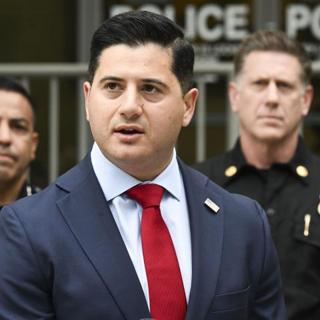
During Tuesday’s hearing, First Assistant U.S. Attorney Bill Essayli argued that the government’s request was narrow and intended only to separate ballots for review, not to cancel or invalidate them. Essayli emphasized that once a ballot is opened and detached from its envelope, it becomes untraceable, making it impossible to later determine whether it was cast by an eligible voter.
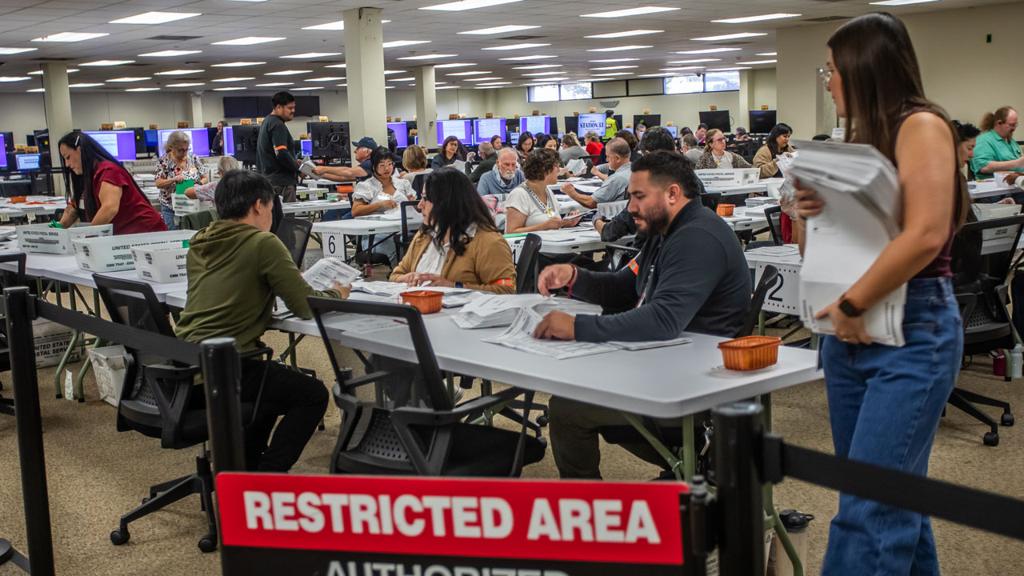
State and Los Angeles County attorneys countered that the DOJ’s data was unreliable and that the proposed remedy was unworkable so late in the election cycle. Los Angeles County said its election software could not be modified in time to flag the ballots, and manual separation would be impossible before Election Day or the certification deadline. State lawyers called the request "incredibly disruptive" and a "recipe for disenfranchisement."
Attorneys for intervenors, including the NAACP, warned that the data-matching process could mistakenly flag naturalized citizens as noncitizens. They referenced a recent 9th Circuit rejection of a similar emergency request, arguing that such efforts risked disenfranchising eligible voters. The intervenors stressed that errors in the matching process could disproportionately affect minority communities and undermine trust in the electoral system.
DOJ Appeal and Next Steps
Following Carter’s ruling, the Justice Department announced it is appealing to the 9th Circuit Court of Appeals. Essayli stated, "The district court denied our emergency request to sequester ballots from 20,000 suspected noncitizens. Every day, more ballots are processed by election officials. This ongoing emergency disenfranchises American citizens through dilution."
Carter also indicated at Tuesday’s hearing that he intends to appoint a special master to review the DOJ’s process for compiling the list of likely noncitizen voters. The Solicitor General authorized an immediate appeal, and the DOJ has filed a notice and will seek an emergency order from the appellate court.
Attorneys for the state and county maintain that the DOJ’s approach risks disenfranchising eligible voters and disrupting the election process. They argue that the state’s existing procedures are sufficient to ensure only eligible voters participate and that the DOJ’s intervention could set a dangerous precedent. Meanwhile, the DOJ argues that failing to act could dilute the votes of American citizens and undermine the integrity of the election.
The outcome of the appeal and any further court orders will likely have significant implications for how states and the federal government address allegations of ineligible voting in future elections. The case highlights the ongoing tension between protecting election integrity and safeguarding the rights of eligible voters, particularly in a politically charged environment.