Alaska Gov. Mike Dunleavy has ordered state authorities to investigate whether the campaign of Democratic U.S. Senate candidate Mary Peltola broke state law by recruiting a candidate with a nearly identical name to the Republican incumbent, Sen. Dan S. Sullivan. The governor’s directive follows a report in The New York Times that alleges Peltola’s campaign played a role in helping a retiree named Dan J. Sullivan enter the Senate race, a move that has raised concerns about possible voter confusion and the integrity of the electoral process.
The central question for investigators is whether orchestrating a same-name candidacy constitutes illegal election interference under Alaska law. The probe comes at a time when election integrity and candidate tactics are under heightened scrutiny both in Alaska and across the United States. Both major parties have faced criticism over efforts to influence voter behavior and ballot outcomes, with public trust in the electoral process a recurring theme in recent political debates.
Governor’s Investigation Order
Governor Dunleavy, a Republican, announced late Wednesday that he was instructing the Alaska Department of Public Safety to look into the matter. He cited the New York Times report as evidence of what he called “an organized effort to manipulate Alaska’s elections by recruiting candidates—including one with the same name as an incumbent U.S. Senator—to deliberately confuse voters and misdirect their votes.”
"Deliberately tricking voters into casting their ballots for someone else strikes at the integrity of our elections. Anyone or any organization found to have broken the law must be held accountable."
— Mike Dunleavy, Alaska Governor
Dunleavy also noted that the Alaska Division of Elections had previously investigated similar concerns in June. According to the governor, the new reporting from the Times “substantially supports the Division’s findings,” prompting the renewed investigation.
The governor’s order directs state law enforcement to determine whether any criminal or civil violations occurred, and to pursue charges or other actions if warranted. The Department of Public Safety is now responsible for reviewing the facts and making recommendations based on Alaska statutes.
Allegations Against Peltola’s Campaign
The allegations stem from the New York Times report, which claims that Peltola’s campaign was involved in recruiting Dan J. Sullivan, a retiree, to run against the incumbent, Sen. Dan S. Sullivan. The report suggests that the intent was to create confusion among voters who might mistake one candidate for the other due to their nearly identical names.
Governor Dunleavy said the investigation will focus on whether this recruitment effort violated state election laws. If so, the probe could lead to criminal charges or civil penalties against those involved.
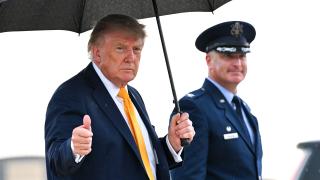
The issue has also drawn national attention. Former President Donald Trump weighed in on social media hours before Dunleavy’s announcement, calling for Peltola to be removed from the ballot and prosecuted. Trump accused Alaska Democrats of “put[ting] a man named Dan Sullivan on the Ballot in order to confuse the Public with respect to Highly Esteemed Senator Dan Sullivan,” and described the situation as “Voter Fraud at the Highest Level.”
Broader Political Response
The controversy has intensified partisan debate over election practices in Alaska. Governor Dunleavy emphasized the importance of accountability and the need to uphold public trust in the state’s elections. He stated that any individual or organization found to have broken the law should face consequences.
As of publication, neither Peltola’s campaign nor Alaska Democratic Party officials have issued public statements in response to the investigation or the accusations outlined in the New York Times report. The silence from the accused parties has left many questions unanswered as the investigation proceeds.
The Department of Public Safety’s review will center on whether recruiting a same-name candidate for the purpose of confusing voters is a prosecutable offense under Alaska law. The outcome of the investigation could have implications for future candidate recruitment strategies and election regulations in the state.
The situation underscores ongoing concerns about election integrity and the tactics used by political campaigns. With Alaska’s Senate race drawing national attention, the results of the investigation are likely to be closely watched by both state and national political observers.