Supreme Court Rulings on Presidential Authority Create Confusion
Explainer Understanding the Supreme Court’s Impact on Law and Liberty
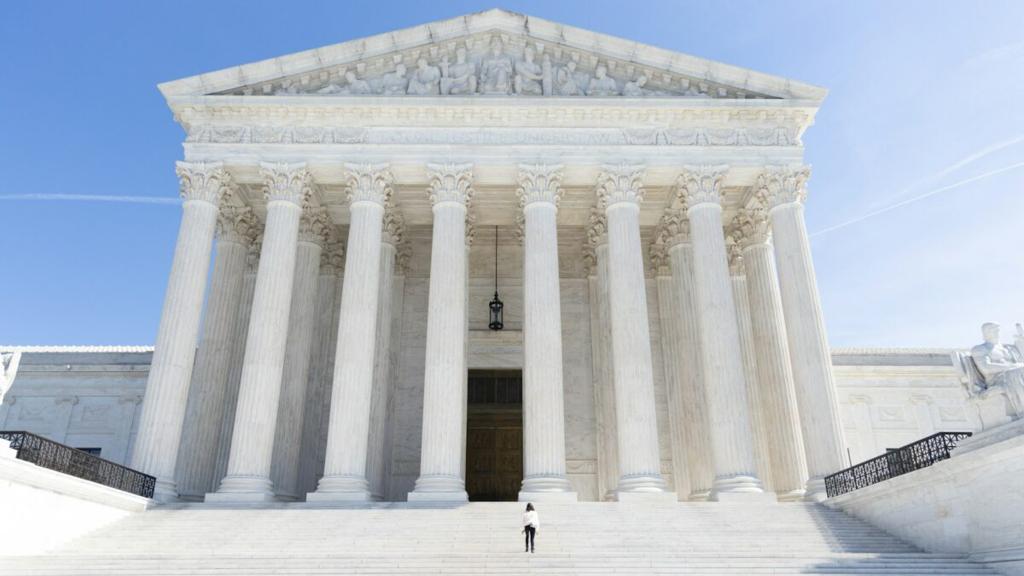
The Supreme Court ruled on Monday that President Donald Trump has the authority to remove officials from independent agencies at will, marking a significant shift in the balance of power between the executive branch and regulatory bodies. In the case of Trump v. Slaughter, the court, led by Chief Justice John Roberts, affirmed that the President can dismiss subordinates within independent agencies. This ruling challenges over 90 years of precedent established by Humphrey's Executor, which had previously protected such officials from arbitrary removal by the President.
This ruling raises critical questions about the accountability of independent agencies, which have historically operated with a degree of autonomy from presidential influence. The decision suggests a potential reconfiguration of the administrative state, allowing for greater executive control over these agencies. However, it was accompanied by a contradictory ruling in Trump v. Cook, which upheld restrictions on the President's ability to remove members of the Federal Reserve Board.
Key Details
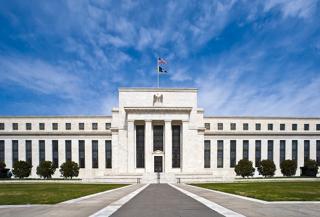
In Cook, the court ruled that President Trump could not fire Lisa Cook, a Democrat-appointed member of the Federal Reserve, without cause. This ruling emphasized that the Federal Reserve, unlike other independent agencies, requires a higher standard of protection against presidential dismissal. The court stated that allowing the President to remove Federal Reserve officials at will could undermine the institution's independence and lead to political manipulation of monetary policy.
Background and Reactions
Chief Justice Roberts noted, "The Founders knew from experience…of the calamities that could arise from even the ‘suspicion’ of political manipulation of monetary policy." He argued that the Federal Reserve's independence is crucial for maintaining stability in the financial system. This point was met with dissent from Justices Clarence Thomas and Amy Coney Barrett, who criticized the inconsistency between the two rulings.
Justice Thomas, in his dissent, contended that the ruling in Cook conflicts with the President's constitutional powers under Article II. He argued that the Federal Reserve, as it currently operates, is not fundamentally distinct from other independent agencies and should not be insulated from presidential oversight. Thomas stated, "If the Court prefers an independent Federal Reserve Board, then its issue is not with the President but with the Constitution."
The timing of the rulings has also drawn scrutiny. Reports indicate that Chief Justice Roberts may have orchestrated the release of the opinions in a manner that highlighted their contrasting conclusions. The two decisions were bundled together and announced in quick succession, leading to speculation about the court's strategic approach to managing its public image and institutional legitimacy.
Critics of the court's handling of these cases argue that the decisions reflect a political calculation rather than a strict interpretation of the law. They suggest that the court is attempting to navigate a complex political landscape while preserving its authority. Supporters of the ruling, however, maintain that the decisions are necessary to ensure accountability within the executive branch and to protect the integrity of the Federal Reserve.
As the implications of these rulings unfold, observers will be watching closely for how they affect the functioning of independent agencies and the broader administrative state. The decisions could set a precedent for future conflicts between the executive branch and regulatory bodies, potentially reshaping the landscape of American governance.
The Supreme Court's recent rulings have reignited debates about the limits of presidential power and the role of independent agencies in the U.S. government. As the legal community and policymakers analyze the ramifications, the balance of power between the presidency and regulatory agencies remains a critical issue to monitor. The outcomes of these cases will likely influence the relationship between the executive branch and independent regulatory bodies for years to come, making it essential to understand their implications thoroughly.