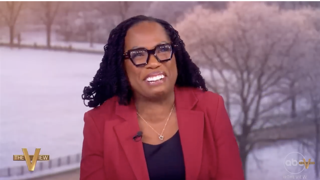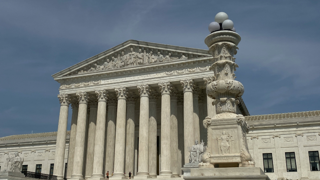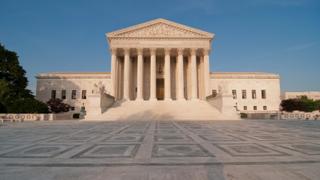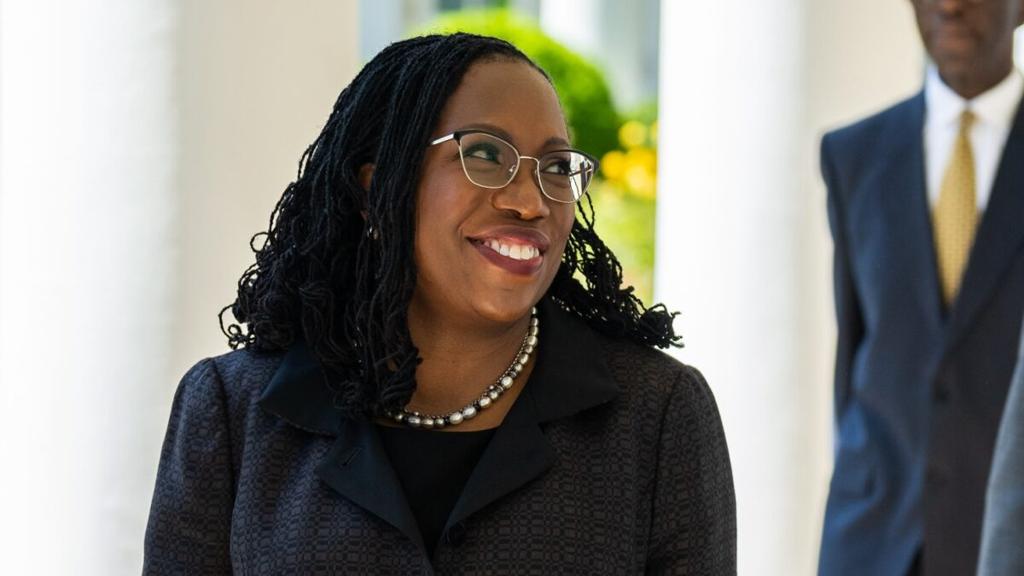
Justice Ketanji Brown Jackson's recent 20-page concurrence in the Supreme Court case Trump v. Barbara has ignited a debate over the interpretation of the 14th Amendment and its implications for birthright citizenship. The ruling, which was decided by a 5-4 majority, included Chief Justice John Roberts and Justice Amy Coney Barrett alongside the three liberal justices, affirming a broad interpretation of citizenship that critics argue undermines the original intent of the Constitution.
Explainer Understanding the Supreme Court’s Impact on Law and Liberty
The core tension revolves around the extent to which the citizenship clause of the 14th Amendment applies to individuals born on U.S. soil, particularly those who may owe allegiance to foreign governments. Jackson's concurrence emphasizes a universalist approach to citizenship, arguing that the Reconstruction Amendments were designed to reject discrimination and promote equality. Critics, however, contend that her interpretation could lead to an expansive definition of citizenship that includes unauthorized immigrants and foreign nationals.
In her concurrence, Jackson challenges Justice Clarence Thomas's dissent, which argues that the citizenship clause was intended solely for freed slaves and not for foreigners. She asserts that interpreting the clause as limited to citizens or permanent residents would revive discriminatory practices from the past. Jackson states, "The Reconstruction Amendments were an anticaste, antisubordination reset for the Nation, not a mere spot treatment for the dark stain of slavery."
Key Details
Critics of Jackson's position, including legal scholars and conservative commentators, argue that her reliance on critical race theory and progressive language undermines the legitimacy of the judiciary. They assert that her views reflect a broader ideological agenda that seeks to reshape American citizenship in a way that disregards historical context. Samuel Kimzey, a doctoral student at Hillsdale College, argues that Jackson's approach to citizenship could lead to a scenario where anyone born on American soil is granted citizenship, regardless of their parents' legal status.
Background and Reactions
The ruling has been seen as a continuation of a trend in which the judiciary increasingly interprets laws in ways that align with progressive values. Critics warn that if Democrats regain control of the Senate and the presidency, they may push for judicial reforms, including court packing, to further entrench these interpretations. Kimzey notes, "If ever the Democrats are permitted to regain the Senate and the presidency, they will not hesitate to abolish the filibuster and pack not just the Supreme Court but the federal judiciary more broadly."
Supporters of Jackson's interpretation argue that her views reflect a necessary evolution in understanding citizenship in a diverse society. They contend that her emphasis on equality and inclusion is vital for addressing historical injustices and ensuring that the Constitution serves all Americans. However, the lack of a robust response from Jackson's supporters to the criticisms raised by her dissenters leaves the debate open-ended.
The implications of this ruling extend beyond the immediate case, as it raises fundamental questions about the nature of citizenship in the United States. Legal experts suggest that the decision could influence future cases concerning immigration and citizenship rights, particularly as the nation grapples with ongoing debates over border security and immigration reform.
As the Supreme Court continues to address contentious issues surrounding citizenship and immigration, the differing interpretations of the 14th Amendment will likely remain a focal point of legal and political discourse. The ongoing debates will shape the future of American citizenship and the role of the judiciary in interpreting constitutional rights.
"The Reconstruction Amendments were an anticaste, antisubordination reset for the Nation, not a mere spot treatment for the dark stain of slavery."
— Ketanji Brown Jackson, U.S. Supreme Court Justice
The ruling in Trump v. Barbara serves as a reminder of the ideological divides within the Supreme Court and the potential for future legal battles over citizenship and immigration. As these discussions unfold, observers will be watching closely for how this decision influences legislative actions and judicial appointments in the coming years.