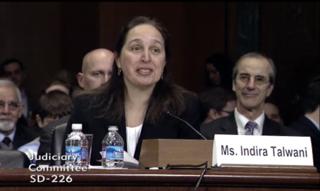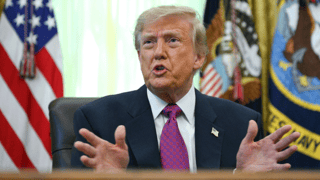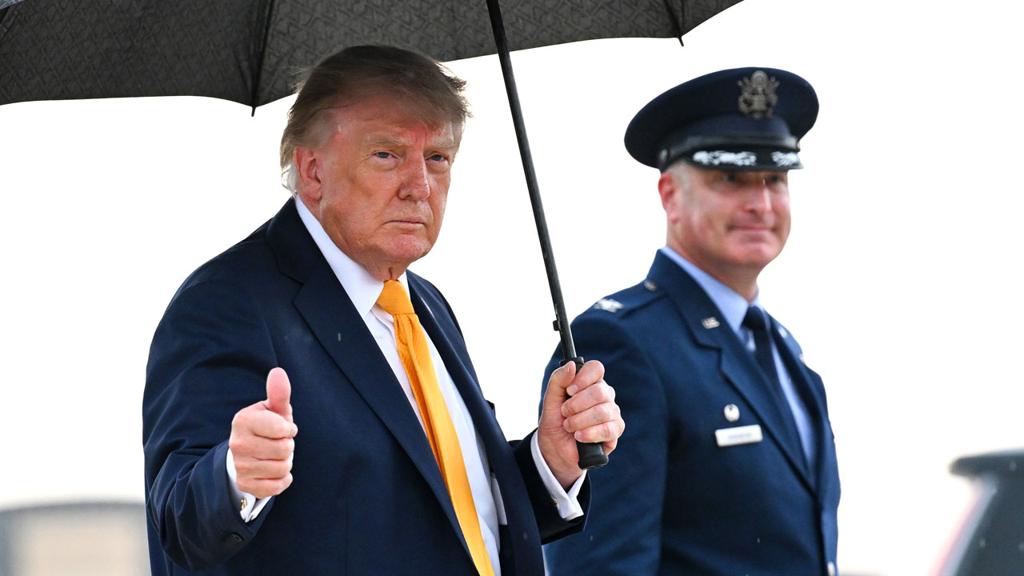
The Trump administration on Sunday filed an emergency application with the U.S. Supreme Court, seeking to immediately reinstate a rule that would restrict mail-in voting ahead of November's congressional elections. This request comes after U.S. District Judge Indira Talwani extended her injunction on Friday, blocking the rule from taking effect as the legal challenge continues.
Explainer Understanding the Supreme Court’s Impact on Law and Liberty
The dispute centers on whether the administration’s new requirements for mail-in ballots can be enforced as states begin distributing ballots for the upcoming elections. The issue has become a focal point in the broader national debate over election security and voter access, with both major political parties closely monitoring the Supreme Court’s actions.
Several states have already begun mailing ballots to voters. North Carolina became the first state to do so on Friday, highlighting the urgency of the legal dispute as the election approaches. The Trump administration argues that the new rule is necessary to ensure the integrity of the mail-in voting process, while opponents contend that it could restrict access to the ballot for eligible voters.
Supreme Court Emergency Filing
Solicitor General John Sauer, representing the Trump administration, urged the Supreme Court to allow the U.S. Postal Service (USPS) to implement the new rule without delay. Sauer argued that the lower court’s ongoing injunction could create confusion as more states issue mail ballots, potentially undermining confidence in the electoral process.
"Each day the lower court’s injunction remains in place risks sowing confusion and chaos as more states issue mail ballots."
— John Sauer, Solicitor General
Supreme Court Justice Ketanji Brown Jackson has set a deadline of Wednesday for responses to the administration’s emergency request. The Supreme Court had not yet ruled on an earlier application from the administration when Judge Talwani extended her ban, prompting the renewed filing. The timeline for a final decision remains uncertain, but the Court’s response will determine whether the rule is enforced before the November elections.
Details of the USPS Rule
The U.S. Postal Service rule, issued to implement an executive order signed by President Donald Trump in March, would require states to provide lists of mail ballot recipients. In addition, all outbound and return ballot envelopes would need to bear unique barcodes. The rule would grant the USPS authority to refuse delivery of ballots that do not comply with these standards or are associated with voters not on the provided lists.
Currently, all U.S. states permit some form of mail-in voting. According to the source, 29 states allow voters to request mail ballots without providing a reason, and eight states conduct elections entirely by mail. The proposed USPS rule would affect the procedures in all states, potentially impacting millions of voters who rely on mail-in ballots.
Lower Court’s Injunction
Judge Talwani, based in Boston, first issued a short-term injunction against the rule and then extended it on Friday. Her decision blocks the restrictions from taking effect while the legal challenge proceeds. The Trump administration’s latest Supreme Court filing follows this extension, as officials seek to overturn the injunction and implement the rule before ballots are widely distributed.
The legal challenge to the USPS rule is part of a broader series of lawsuits and court battles over voting procedures in the lead-up to the November elections. Supporters of the administration’s rule argue that stricter requirements are necessary to prevent fraud and ensure election integrity. Critics, however, maintain that the rule could disenfranchise eligible voters, particularly those who may have difficulty complying with the new requirements or who rely on mail-in voting due to health, mobility, or work constraints.
What Happens Next
With the Supreme Court now considering the emergency application, the final decision on whether the mail-in voting restrictions will be enforced before the November elections remains pending. Justice Jackson’s deadline for responses is set for Wednesday, after which the Court could rule at any time. The outcome will have significant implications for how mail-in ballots are handled in the upcoming elections and could influence voter participation rates.
Officials from states affected by the rule have not yet publicly responded to the latest Supreme Court filing. The legal and political stakes remain high as the nation awaits the Supreme Court’s decision, which will shape the rules for mail-in voting in a closely watched election year.