A federal judge in Massachusetts issued a temporary restraining order on Thursday, blocking a United States Postal Service (USPS) rule that would require states to provide basic voter information and use unique barcodes on mail-in ballot envelopes. The order comes just days after the U.S. Supreme Court stayed the same judge’s earlier injunction against the policy, underscoring the ongoing legal battle over federal efforts to tighten mail-in voting procedures ahead of the November election.
Explainer Securing America's Elections: Challenges, Reforms, and the Path Forward
The dispute reflects a broader national debate over election security and voter access, as courts weigh whether new requirements intended to protect election integrity may instead create barriers for eligible voters.
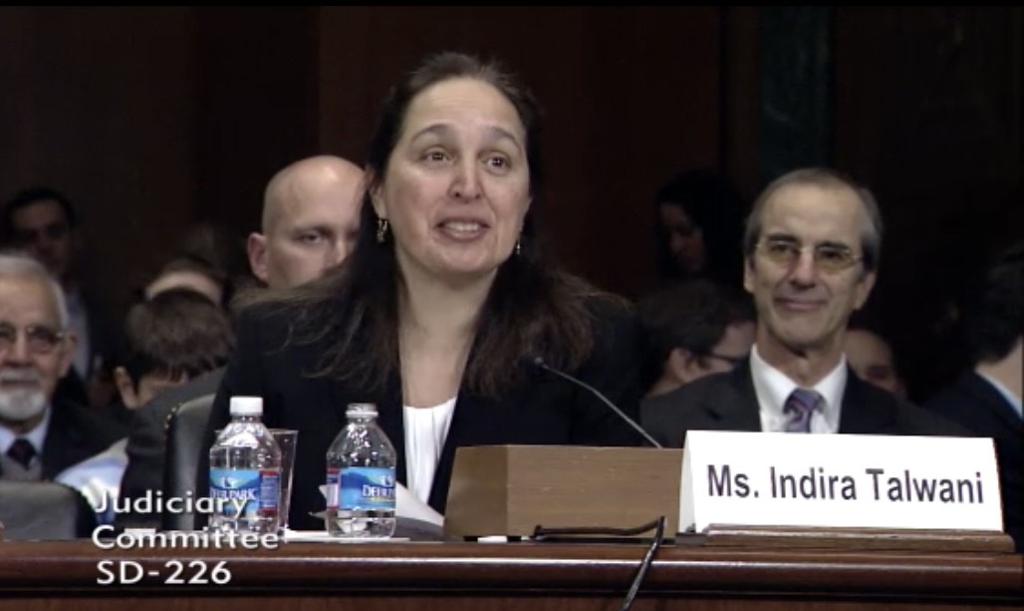
Judge Indira Talwani, who was appointed to the federal bench in Massachusetts, found that the USPS rule would make compliance “practically impossible” for states before the upcoming midterm elections. Her temporary restraining order, which is set to last 14 days, prevents the USPS from enforcing requirements for states to submit voter names, addresses, and unique barcodes, as well as from mandating the use of a new electronic portal for ballot approval and data uploads.
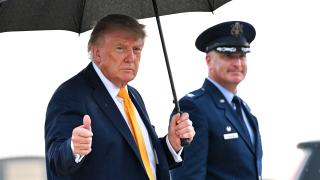
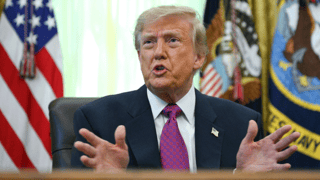
The Trump administration quickly announced plans to appeal Talwani’s latest decision. The administration had previously directed USPS and other federal agencies to implement election integrity measures through executive order, prompting a series of lawsuits from Democrat-led states and organizations such as the League of Women Voters, who argue the requirements would disenfranchise voters.
Judge Talwani’s Order
Judge Talwani’s temporary restraining order follows her earlier injunction, which the Supreme Court set aside on the grounds that it targeted a proposed, rather than finalized, rule. After the USPS finalized the policy, Talwani issued the new order, emphasizing that the Supreme Court had not addressed the merits of the rule itself.
In her ruling, Talwani wrote that the USPS rule would prevent ballots from being mailed to eligible voters unless state or local officials submitted ballot envelopes and received advance approval from USPS, regardless of state election deadlines. She also noted that the rule would require officials to create accounts for a new electronic portal and upload each voter’s information individually.
"The USPS’s interest in correcting an unsubstantiated problem through likely unconstitutional means is dwarfed by the overwhelming risk of pervasive disenfranchisement of citizens who need access to mail ballots in order to vote."
— Indira Talwani, U.S. District Judge
Talwani further argued that the record "continues to lack any evidence regarding fraudulent absentee or mail-in voting," and described the USPS requirements as basic compared to stricter proposals such as the SAVE America Act, which would mandate proof of citizenship for voting. However, she maintained that even these requirements could pose significant obstacles for states and voters in the short time before the election.
USPS Rule and Legal Challenges
The USPS rule at issue requires states to submit voters’ names, addresses, and a unique barcode for each mail-in ballot, but does not verify addresses or alter voter eligibility. The policy also mandates that election officials use a new electronic portal for ballot design approval and voter data submission. According to USPS, the measures are intended to improve the security and traceability of mail-in ballots, but critics argue that the requirements are burdensome and could delay or prevent eligible voters from casting ballots by mail.
The restraining order temporarily blocks these requirements, with Judge Talwani scheduled to consider a longer injunction at a hearing set for September 3. The Trump administration has stated its intent to appeal the decision, signaling that the legal fight over the USPS rule is likely to continue in the weeks leading up to the election.
Legal challenges to the USPS rule have been led by Democrat-run states and advocacy groups, including the League of Women Voters, who argue the requirements could disenfranchise voters who rely on mail-in ballots, particularly those with disabilities, older adults, and people living in rural areas. These groups contend that the new rules would require significant changes to state election systems on short notice, creating confusion and potential barriers to voting.
Supporters of the USPS policy have not publicly responded to the latest ruling. However, proponents of stricter mail-in voting procedures generally argue that additional safeguards are necessary to prevent fraud and ensure the integrity of elections, even though evidence of widespread fraud in mail-in voting remains limited.
Broader Context and Next Steps
The dispute over the USPS rule is part of a broader national debate over election integrity and mail-in voting security. Critics of mail-in voting argue it is less secure and more prone to errors, while opponents of the USPS rule contend it imposes burdens that could prevent eligible voters from participating in the democratic process. The restraining order is set to expire in 14 days, with further court action expected in early September.
The upcoming hearing on September 3 will determine whether the temporary restraining order should be extended or replaced with a longer-term injunction. In the meantime, states are not required to comply with the new USPS rule, allowing election officials to continue preparations for the November election under existing procedures. The outcome of the legal battle could have significant implications for how millions of Americans cast their ballots this fall.
For further details on the ongoing litigation, see the dockets for the State of California v. Trump and League of Women Voters of Massachusetts v. Trump cases.