Kansas Attorney General Kris Kobach has issued a cease-and-desist letter to the League of Women Voters of Kansas and its Leavenworth County chapter, demanding an immediate end to the practice of offering cash, gift cards, or other incentives to high school students in exchange for registering to vote.
Explainer Wisconsin Elections: Understanding Recent Changes and Challenges
The move highlights growing scrutiny of voter registration tactics and the legal boundaries for civic engagement groups ahead of upcoming elections.
Kobach's letter, sent Friday, cited social media posts from the Leavenworth chapter advertising Starbucks gift cards for students who registered to vote at events held at Lansing High School and Leavenworth High School. The attorney general warned that such incentives violate both federal and Kansas law, with potential penalties including up to $10,000 in fines and five years in prison for those convicted of knowingly paying for voter registration or voting.
The attorney general also referred the case to Ryan Kriegshauser, U.S. Attorney for the Kansas District, who has recently prosecuted several election fraud cases. Kobach instructed the League to preserve all records related to the activity and to identify every instance in Kansas where items of value were distributed in connection with voter registration or voting.
"Paying people to register or to vote is illegal, period. The size of the gift card does not matter. These prohibitions exist to protect the integrity of our elections and public confidence in the results. Groups may encourage registration and help eligible Kansans complete the process. They may not buy registrations."
— Kris Kobach, Kansas Attorney General
Kansas House Elections Committee Chairman Pat Proctor, who first raised concerns about the May registration drives in his district, described the League's actions as unusually blatant. Photos posted on the League's Facebook page showed volunteers at registration tables with Starbucks gift cards visible, and students holding what appeared to be the cards after registering.
Federal law prohibits payments or gifts in exchange for voter registration or voting, a point echoed by Brendan Fischer, director of strategic investigations at the Campaign Legal Center, who told the Kansas Reflector that well-intentioned groups can inadvertently cross legal lines. Fischer said, "Given the breadth of the law, well-intentioned groups seeking to encourage civic participation can accidentally cross a legal line."
Kobach's letter emphasized that there is no exception for small-value incentives, stating that even nominal gift cards are illegal. The attorney general noted that individuals who accept such incentives could also face charges, but sources indicated it is unlikely that high school students would be prosecuted.
The League of Women Voters of Kansas did not respond to requests for comment from The Federalist.
Broader Election Law Enforcement
The Kansas referral comes amid a series of recent federal indictments and prosecutions related to voter registration and election fraud. According to the Department of Justice, six individuals in California, Kansas, and Louisiana were charged last week with crimes including paying people to sign petitions using stolen identities, fraudulent voter registration, and illegal voting by non-citizens. The DOJ stated, "If you are gaming the election system, voting illegally, or committing voter fraud, you are breaking the law, and the Department will ensure such individuals cannot corrupt future elections."
In Kansas, a federal grand jury in Wichita recently indicted a Peruvian national for allegedly voting in a federal election despite not being a U.S. citizen. U.S. Attorney Ryan Kriegshauser said, "Should individuals be determined by a court of law to have illegally claimed U.S. citizenship and voted or attempted to vote in federal elections, they will face serious criminal consequences."
Ongoing Debate Over Registration Drives
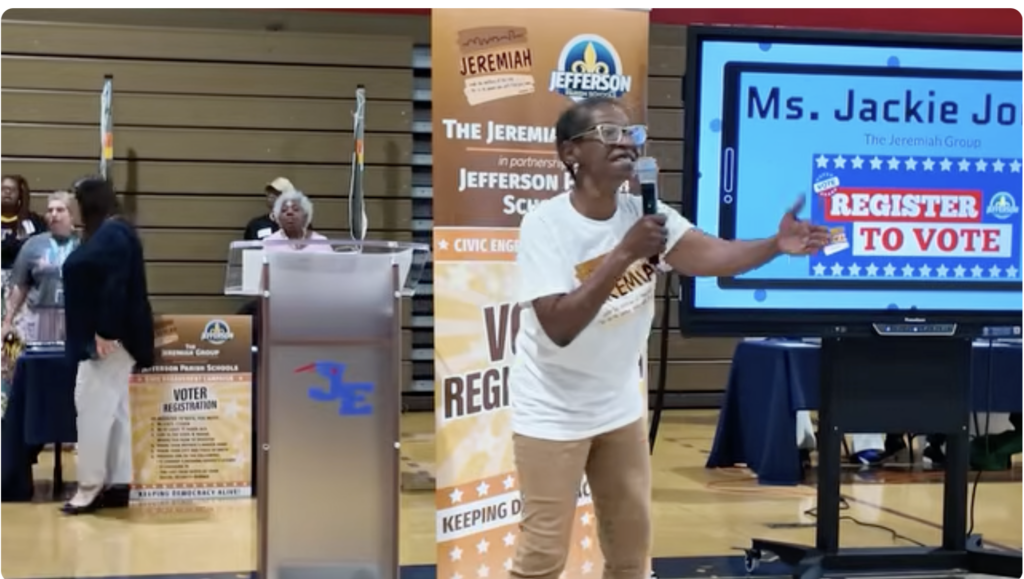
The controversy over the League's actions comes as other civic groups, such as New Voters, Generation Citizen, and the Civics Center, promote voter registration campaigns targeting high school students, sometimes offering prizes or "swag" to participants. Critics, including Rep. Proctor, argue that such incentives undermine election integrity and raise questions about the tax-exempt status of organizations involved.
Proctor, who is running for Kansas secretary of state, said the League's conduct was "brazen" and called for strict enforcement of election laws. However, supporters of high school registration drives argue that such efforts are intended to boost civic participation among young voters, not to violate the law. No comment was provided by the League or its national affiliates regarding the allegations.
The attorney general's office has reserved the right to pursue further enforcement action pending the outcome of its investigation.