A Supreme Court order and a subsequent federal court decision this week have cleared the way for the U.S. Postal Service to implement President Donald Trump’s executive order restricting mail-in ballot distribution in California, despite ongoing opposition from state officials. The rulings set up a direct clash between the Trump administration’s push for tighter election controls and California’s efforts to maintain broad access to mail-in voting.
Explainer Securing America's Elections: Challenges, Reforms, and the Path Forward
California, where more than 80% of ballots in recent statewide elections have been cast by mail, has long sent ballots automatically to every active registered voter. Under the new federal rule, the state is now required to provide the Postal Service with a list of eligible recipients. USPS is instructed to deliver ballots only to those on the list, according to the final rule and the executive order.
Court Decisions Clear the Way
The Postal Service’s rule, which took effect August 21, had previously been blocked by court orders. On Monday, the Supreme Court lifted one of those injunctions, and later that day, a federal judge lifted the remaining block. These decisions enable USPS to proceed with the new requirements for the November election, marking a significant shift in how mail-in ballots are distributed in California.
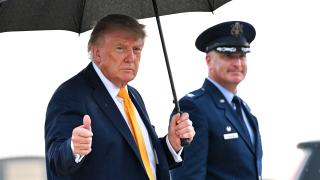
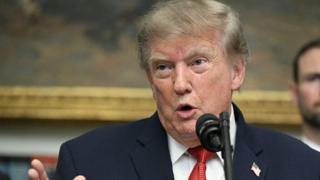
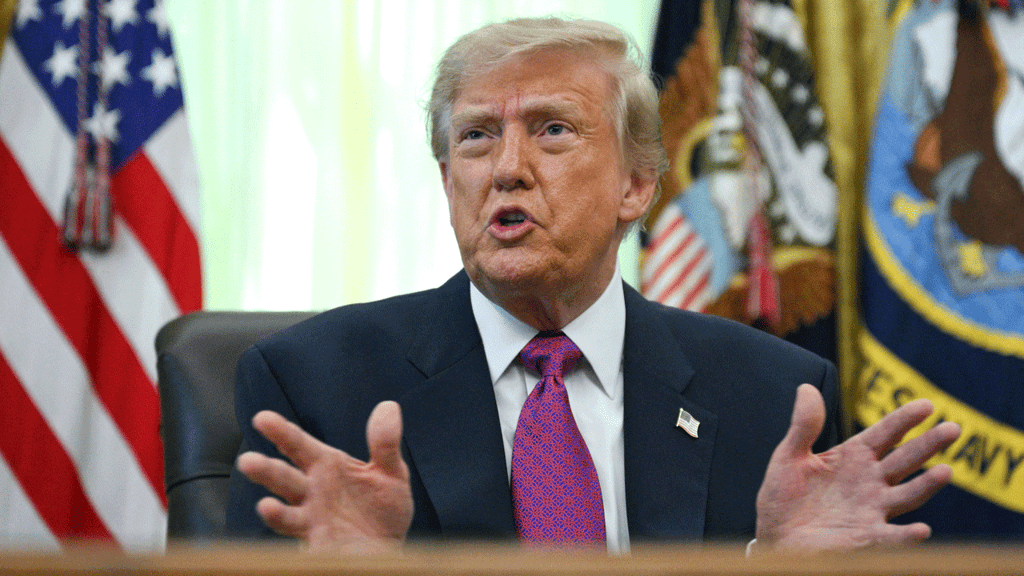
President Trump has argued that these measures are necessary to prevent noncitizens from voting in federal elections and to strengthen election integrity. In the executive order, Trump wrote, “The right to vote in Federal elections is reserved exclusively for citizens of the United States under the Constitution and Federal law,” adding that “additional measures are necessary” to enhance election integrity through the mail. USPS cited the executive order’s directive to “facilitate enforcement of federal law, reduce the risk of fraud, and help protect the integrity of federal elections.”
The Supreme Court’s decision to lift the injunction was not accompanied by a detailed opinion, as is typical for emergency orders. The federal judge’s subsequent ruling similarly focused on the immediate legal questions, allowing the rule to take effect while broader legal challenges continue to play out.
California’s Response and Legal Challenge
California Governor Gavin Newsom sharply criticized the move, accusing Trump of attempting to suppress votes. “We’re not going to let Trump disenfranchise Americans or rig the rules to his advantage,” Newsom said in a statement following the court decisions.
Attorney General Rob Bonta announced that California is co-leading a coalition of states in a new lawsuit to block the USPS rule. In a press release, Bonta called the rule “unlawful overreach.”
“This mail-in voting rule is an unlawful overreach that shows just how far President Trump will go to control elections, but as I’ve said before, this fight is far from over and we are confident that the facts and the law are on our side.”
— Rob Bonta, California Attorney General
Bonta stated that the lawsuit seeks to ensure “every person has the right” to vote by mail, arguing the rule would restrict access for eligible voters. California officials contend that the new requirements could create confusion and barriers for voters who have long relied on the state’s automatic mail-in ballot system.
The legal challenge is expected to move quickly, given the upcoming November election. California and its coalition partners are seeking an expedited hearing to block the rule before ballots are sent out. The state argues that the federal government is interfering with its authority to administer elections and that the rule could disenfranchise eligible voters by imposing new administrative hurdles.
Broader Election Integrity Debate
The legal battle comes as California voters prepare to decide on a voter ID initiative in November, intensifying the debate over election integrity and access. State officials are racing to block the new federal requirements before Election Day, while the Trump administration maintains that the rule is essential for enforcing citizenship requirements in federal elections.
Supporters of the executive order argue that the policy is needed to ensure only eligible citizens receive ballots, pointing to concerns about noncitizen voting and the need for accurate voter rolls. They contend that the new process will help prevent potential fraud and bolster public confidence in election outcomes.
Critics, however, argue that the rule will disenfranchise voters and represents federal overreach into state-run election systems. They warn that the additional requirements could delay ballot delivery, create confusion among voters, and undermine California’s efforts to make voting accessible.
The White House and USPS have not issued additional statements addressing the new lawsuit. As legal proceedings continue, California’s challenge to the rule is likely to remain a focal point in the national debate over voting rights and election security ahead of the November election.