A federal judge in Boston has issued a 14-day temporary restraining order blocking the U.S. Postal Service from enforcing a new mail-in ballot rule backed by the Trump administration. The decision comes just days after the Supreme Court declined to rule on the policy’s merits, intensifying a legal standoff over election procedures ahead of the upcoming midterm elections.
Explainer Securing America's Elections: Challenges, Reforms, and the Path Forward
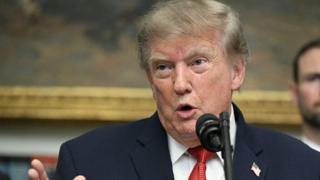
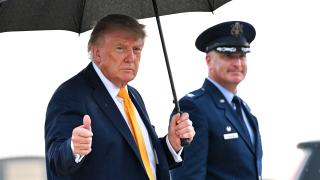
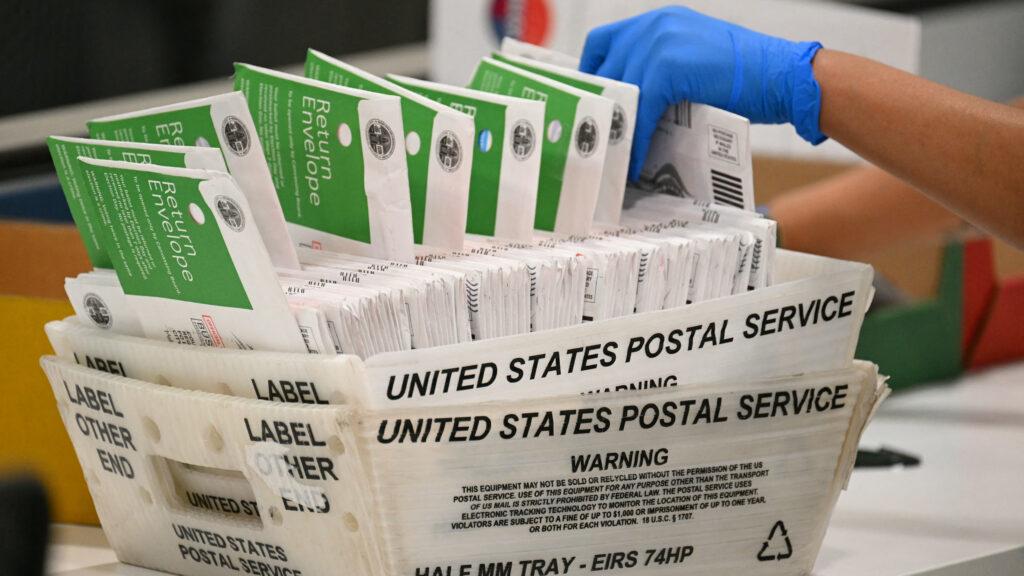
The core of the dispute is a Trump executive order from March, which directed the Postal Service to require election officials to submit lists of legally eligible voters and to use unique barcodes before mailing ballots. The final version of this rule was published in the Federal Register on Wednesday, prompting a renewed lawsuit from 23 states and the District of Columbia, led by California Attorney General Rob Bonta. States argue the rule threatens access to mail voting, while the administration defends it as an election-integrity measure.
Judge Talwani’s Order
U.S. District Judge Indira Talwani, an Obama appointee, ruled Thursday night that states cannot comply with the new requirements so close to the election. Talwani found that the rule could cause “irreparable harm” by making compliance “practically impossible” for the upcoming midterm elections, which are just over two months away. The judge emphasized that the timing of the rule’s implementation would disrupt established election procedures and risk widespread voter disenfranchisement.
“USPS’s interest in correcting an unsubstantiated problem through likely unconstitutional means is dwarfed by the overwhelming risk of pervasive disenfranchisement of citizens who need access to mail ballots in order to vote.”
— Indira Talwani, U.S. District Judge
Talwani determined that, unlike the earlier Supreme Court review—which found the states’ claims too speculative because the rule was not yet final—the new lawsuit could proceed since the Postal Service had now issued the final regulation. She also said the states were likely to show the Postal Service exceeded its authority in issuing the rule.
The temporary restraining order will remain in effect for 14 days, preventing the Postal Service from enforcing the new requirements during that period. This means that, for now, existing mail-in ballot procedures will remain in place as states prepare for the November 3 midterm elections.
Legal Arguments and Responses
The Trump administration’s rule would require states to provide lists of eligible voters and use barcodes to track ballots, a move officials said was intended to prevent fraud and ensure the integrity of mail-in voting. Plaintiffs, however, argued the requirements were both unconstitutional and impossible to implement on short notice, especially given the proximity to the election.
California Attorney General Rob Bonta, the lead plaintiff, said in a statement that the district court’s order “blocked the rule, making it clear that President Trump must keep his hands off our elections.” Bonta added, “The right to vote is a foundational principle of our democracy, and we’re making sure it remains protected for everyone.”
The Supreme Court earlier in the week dismissed a related challenge on procedural grounds, stating the states’ lawsuit was premature because the rule was not yet finalized. The high court did not address the substance of the Trump executive order or the Postal Service rule, leaving the door open for further legal challenges now that the rule is final.
The Postal Service and Trump administration officials have not publicly responded to the latest ruling. The lack of response leaves open questions about whether the administration will seek an immediate appeal or wait for the next scheduled court hearing.
Next Steps in the Case
Judge Talwani has scheduled a hearing for September 3 to consider whether to extend the injunction beyond the initial 14-day period. At that hearing, both sides are expected to present further arguments about the legality and practicality of the new rule. The legal battle is widely expected to return to the Supreme Court, which could ultimately rule on the merits of both the Postal Service regulation and the underlying executive order.
For now, the temporary restraining order prevents the Postal Service from enforcing the new requirements before the November 3 midterm elections. This leaves current mail-in ballot procedures in place, allowing election officials and voters to proceed under established rules while the legal process continues. The outcome of the case could have significant implications for how mail-in voting is conducted in future federal elections, as well as for the balance of power between state election officials and federal agencies.