Some states are preparing measures to counter any appearance of U.S. Immigration and Customs Enforcement (ICE) agents at polling places, following statements from President Donald Trump and Homeland Security Secretary Markwayne Mullin suggesting that federal agents could be present if serving immigration warrants.
The core dispute centers on whether federal immigration enforcement at polling sites constitutes a legal action or voter intimidation, with state officials warning of potential interference in the voting process. The debate comes as the Trump administration signals a willingness to deploy federal resources to ensure what it calls "election integrity." President Trump has stated he would do "anything necessary" to secure the process, while Secretary Mullin argued ICE agents could lawfully be at polls if executing warrants.
State Officials’ Preparations
State election officials across the country are responding to the possibility of federal immigration enforcement at polling sites with new training, contingency planning, and public statements. New Mexico Secretary of State Maggie Toulouse Oliver said her office is training local election officials to ask ICE agents to leave if they appear at polling places and to take additional steps if unauthorized individuals are present. "It would be malpractice for us not to prepare for the possibility of ICE agents showing up at polls," Toulouse Oliver told Axios.
Aghogho Edevbie, Michigan's deputy secretary of state, stated that Michigan would view the presence of ICE agents at polling sites as "voter intimidation." Edevbie emphasized that any federal law enforcement presence not directly related to an active threat could be seen as an attempt to discourage eligible voters, particularly those from immigrant communities, from casting ballots.
"It would be malpractice for us not to prepare for the possibility of ICE agents showing up at polls."
— Maggie Toulouse Oliver, New Mexico Secretary of State
Maine Secretary of State Shenna Bellows reported "very close" coordination among election officials in her state to address any such incidents. Bellows said her office is working with local authorities and community organizations to ensure that voters are aware of their rights and that any unauthorized law enforcement presence is handled swiftly. Oregon Secretary of State Tobias Read said her office is prepared to handle "all kinds of disasters," including potential federal intervention at polling places. Read noted that Oregon has protocols in place for a range of emergencies and that election officials are being briefed on how to respond if ICE agents or other federal authorities appear at voting sites.
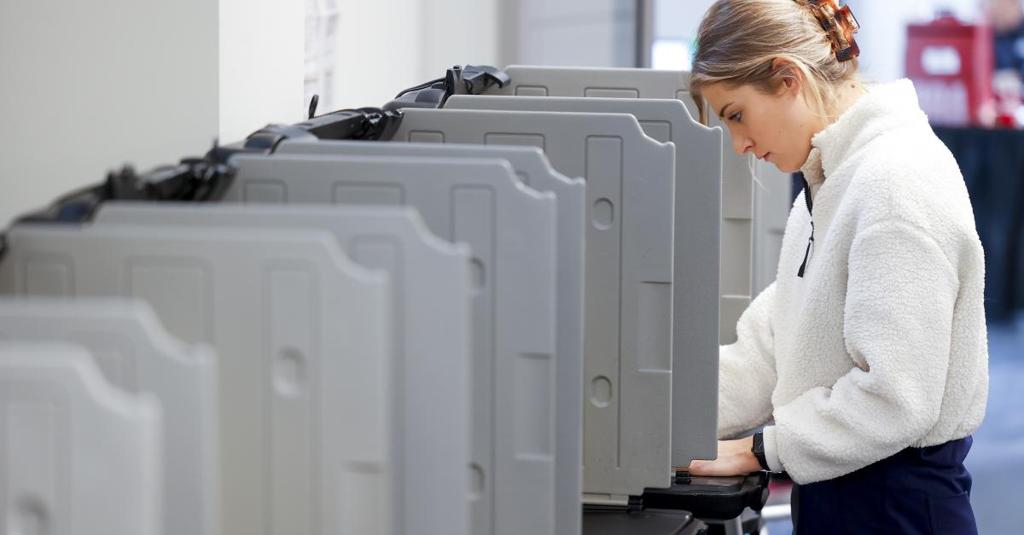
These preparations reflect a broader effort by states to safeguard the voting process and reassure the public that polling places will remain free from intimidation or interference. State officials have also communicated with advocacy groups and legal organizations to monitor polling locations and provide support if needed.
Legal and Policy Dispute
Federal law restricts the presence of law enforcement at polling places, and there are limits on how close authorities can be, according to reporting from Axios. The Voting Rights Act and other federal statutes are designed to protect voters from intimidation, and many states have their own laws further limiting law enforcement activity at or near polling sites. However, Secretary Mullin maintains that ICE agents have legal grounds to be present if they are serving immigration warrants, arguing that federal law enforcement retains the authority to execute warrants regardless of location.
President Trump’s comments and the administration’s posture have prompted concerns among state officials about possible voter intimidation and federal overreach. Critics argue that the presence of ICE agents could deter eligible voters, particularly in communities with large immigrant populations. Civil rights groups have warned that even the perception of federal immigration enforcement at polling places could have a chilling effect on turnout, especially among Latino and immigrant voters who may fear questioning or arrest.
Supporters of the administration contend that enforcing immigration law is a federal responsibility and that the presence of ICE agents is justified if there is credible evidence of illegal activity. However, opponents counter that there is little evidence of widespread voter fraud by non-citizens and that the risk of intimidating lawful voters outweighs any potential benefit.
Broader Context and Responses
The Trump administration’s approach has heightened tensions between federal and state authorities over control of election procedures. State officials emphasize their responsibility to protect voters and maintain order at polling sites, while the administration frames its actions as necessary for election security. The dispute reflects longstanding debates over the balance of power between state and federal governments in administering elections, as well as broader concerns about voter access and civil rights.
State election officials have reiterated their commitment to ensuring that all eligible voters can cast ballots without fear or interference. Many have issued public statements and guidance to voters, clarifying that immigration enforcement is not permitted at polling places except under extraordinary circumstances. Some states have also established hotlines and rapid response teams to address any reports of intimidation or unauthorized law enforcement activity on Election Day.
Supporters of the administration have not directly addressed the criticism from state officials, and it remains unclear whether ICE agents will be deployed to polling places or under what circumstances federal intervention might occur. The situation remains fluid, with both sides preparing for a range of scenarios as Election Day approaches. State officials say they will continue to monitor developments and adjust their plans as needed to protect the integrity of the voting process.
As the election nears, the debate over federal law enforcement at polling places underscores the ongoing challenges of balancing security, access, and public confidence in the electoral system. State and local officials say their priority remains ensuring that every eligible voter can participate in the democratic process without intimidation or fear.