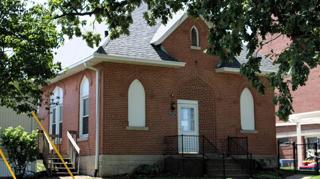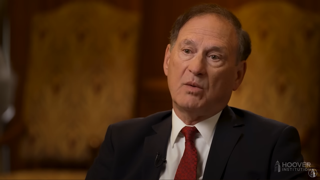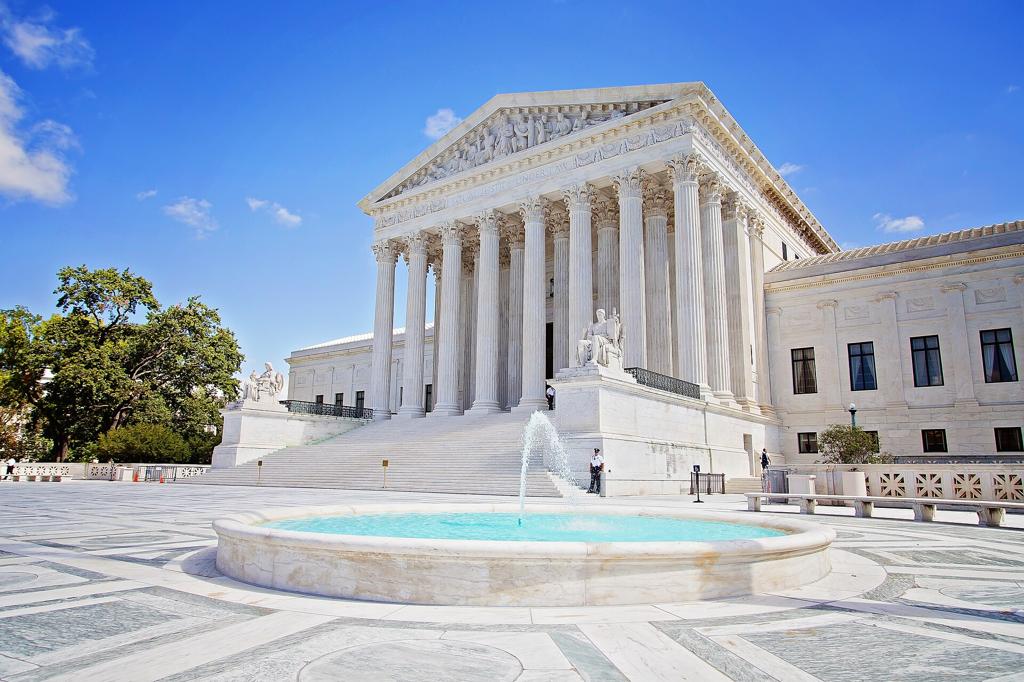
The U.S. Supreme Court on Tuesday pressed Colorado officials to defend the state’s decision to exclude Catholic schools from its universal preschool program, raising questions about whether Colorado’s non-discrimination requirements violate constitutional protections for religious freedom.
Explainer Religious Freedom in America: Navigating Rights and Government Limits
At the heart of the case is Colorado’s mandate that all participating preschools sign a non-discrimination agreement. This agreement requires schools not to discriminate based on sexual orientation or gender identity, among other categories. Several Catholic parents and schools argue that this condition forces them to choose between adhering to their religious beliefs and accessing public funding for preschool. The state, meanwhile, contends that its rules are neutral and generally applicable, applying equally to all schools regardless of religious affiliation.
The case, St. Mary Catholic Parish v. Roy, could have significant implications for how states structure public benefit programs and interact with faith-based organizations. The outcome may affect not only Colorado but also other states with similar programs and requirements.
Arguments from Both Sides
Representing St. Mary Catholic Parish, attorney Nicholas Reaves argued that Colorado has interpreted its non-discrimination mandate with flexibility for secular interests but has applied it rigidly to religious petitioners. Reaves emphasized that Catholic schools exist to "pass on the faith to the next generation" and require families to support church teachings, including those on marriage and sex. He asserted that allowing Catholic schools to participate would increase the number of available preschool seats without reducing access for other families.
"Letting families use universal preschool funding at Catholic schools won’t take away a single seat from the over 2,000 preschools already participating in the program. In fact, letting Catholic schools in will create more seats for everyone, even for families who disagree with Catholic teachings."
— Nicholas Reaves, attorney for St. Mary Catholic Parish
Several justices questioned whether granting an exemption for religious schools would require the Court to create a special rule for religious Americans. Justice Elena Kagan and Justice Ketanji Brown Jackson, both appointed by Democratic presidents, suggested that such a move could treat religious groups differently under laws that are otherwise generally applicable. Justice Sonia Sotomayor argued that Catholic schools’ exclusion was the result of their own decision not to sign the agreement, framing it as a voluntary choice rather than state-imposed discrimination.
Scrutiny of Colorado’s Policy
Colorado Deputy Solicitor General Helen Norton defended the state’s policy but faced pointed questions from several Republican-appointed justices. Justice Samuel Alito referenced Colorado’s history of legal disputes involving Christian individuals and organizations, questioning whether the state has demonstrated hostility toward religious groups. Alito also posed a hypothetical scenario involving a ban on head coverings in preschools, asking if such a rule would be permissible if it was neutral and generally applicable. Norton responded that, under current legal standards, such a rule would not trigger heightened First Amendment scrutiny.
Justice Amy Coney Barrett pressed Norton on why Colorado adopted a condition that it "knows that [the Catholic] schools will be unable to agree to." Barrett’s questioning suggested skepticism about whether the state’s policy was truly neutral. Justice Brett Kavanaugh highlighted other preferences allowed in Colorado law, such as permitting schools to favor parents who are more involved, and questioned why religious preferences are treated differently. Kavanaugh noted that, even after the Supreme Court’s Obergefell decision legalizing same-sex marriage, "religious Americans’ rights are to be respected."
Chief Justice John Roberts and Justices Clarence Thomas and Neil Gorsuch also expressed skepticism about the state’s arguments. Roberts questioned both sides on the principle of general applicability, probing whether the state’s policy was truly neutral or if it singled out religious institutions for different treatment.
Broader Legal Context
The case revisits the Supreme Court’s 1990 decision in Employment Division v. Smith, which held that the First Amendment does not require religious exemptions from generally applicable laws. Catholic schools and parents argue that Colorado’s approach fails to accommodate religious exercise, while the state maintains its rules are neutral and apply uniformly to all preschools seeking to participate in the program.
The outcome of St. Mary Catholic Parish v. Roy could clarify the extent to which states can impose non-discrimination requirements on religious organizations that wish to participate in public benefit programs. It may also influence how other states design similar programs in the future.
A decision in the case is expected later in the Supreme Court’s 2026 term. As of Tuesday, Colorado officials have not publicly addressed the criticism raised by justices during oral arguments.