The Justice Department has announced charges against 63 individuals for alleged election-related crimes spanning 15 states, according to an official statement released Monday. This development marks a significant move in the ongoing national debate over the integrity of U.S. elections and the enforcement of laws designed to prevent voter fraud.
Explainer Noncitizen Voting in U.S. Elections: Risks, Realities, and Regulatory Challenges
The charges, detailed in a Justice Department press release, include allegations of noncitizens voting in federal elections, making false claims of U.S. citizenship to register or vote, and submitting fraudulent voter registration applications. Four of those charged are foreign nationals accused of voting or attempting to register unlawfully.
Details of the Charges
According to the Justice Department, the alleged offenses occurred in states including Georgia, Texas, Maryland, North Carolina, and California, among others. The 63 defendants face a range of charges related to illegal voting, fraudulent voter registration, and other election offenses. The DOJ emphasized that the cases involve both U.S. citizens and noncitizens, with four defendants identified as foreign nationals who are accused of either casting ballots or attempting to register to vote in violation of federal law.
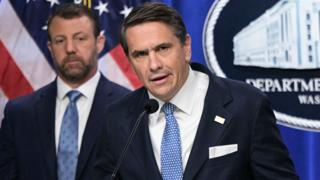
Attorney General Todd Blanche described the cases as representing the largest surge of voter-fraud arrests since President Trump returned to office. Blanche stated that the Justice Department is committed to investigating and prosecuting such cases as part of a broader effort to "restore confidence in our electoral system."
"These foreign nationals allegedly took advantage of the trust of the American people and flouted the laws that govern our nation’s elections. This Department of Justice will continue investigating and prosecuting voter fraud to restore confidence in our electoral system."
— Todd Blanche, Attorney General
The Justice Department did not release the names of the defendants or provide detailed information about individual cases. However, officials indicated that the charges cover a variety of alleged violations, including noncitizens casting ballots in federal elections, individuals submitting false citizenship information on voter registration forms, and fraudulent applications for voter registration in multiple states.
Broader Enforcement Efforts
The announcement is part of a wider enforcement initiative that has accelerated since the start of the second Trump administration. According to both the DOJ and reporting by Just the News, the Justice Department has charged a total of 239 people with voting fraud-related offenses since President Trump returned to office. Of those, 195 are individuals alleged to be in the country illegally. These cases span 25 states, reflecting a nationwide focus on election integrity and the prosecution of voter fraud.
The DOJ said that the latest group of cases includes a range of alleged violations, from noncitizens casting ballots in federal elections to individuals submitting false information about their citizenship status on voter registration forms. The department emphasized that investigations into election-related offenses are ongoing and that additional charges may be forthcoming as more cases are developed.
Political and Legal Context
The Justice Department’s announcement comes at a time of heightened scrutiny of election security and ongoing partisan debate over the prevalence and impact of voter fraud in the United States. Supporters of stricter election laws argue that prosecutions such as these are necessary to deter illegal voting and maintain public trust in the electoral process. They contend that robust enforcement of election laws is essential to ensuring that only eligible voters participate in federal, state, and local elections.
Critics, including some voting rights advocates, argue that the overall incidence of voter fraud remains low and caution against policies or enforcement actions that could restrict legitimate voting rights. They warn that aggressive prosecution of alleged voter fraud could have a chilling effect on lawful voters, particularly among minority and immigrant communities. The DOJ did not address criticism from voting rights groups or provide additional comment on the broader implications of the prosecutions.
The department stated that investigations into election-related offenses are ongoing and that it remains committed to enforcing federal election laws. Officials reiterated that the goal is to protect the integrity of the electoral process while ensuring that all eligible voters are able to participate without fear of intimidation or reprisal.
The announcement underscores the Justice Department’s continued focus on election security and the enforcement of laws designed to prevent voter fraud. As the nation approaches future election cycles, the debate over how best to balance election integrity with access to the ballot is likely to remain a central issue in American politics.