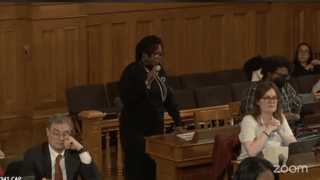
The Los Angeles City Council voted Wednesday to place a measure on the November ballot that would allow noncitizens to vote in city elections. The proposal, introduced by Councilman Hugo Soto-Martinez, aims to extend voting rights to individuals with Temporary Protected Status, permanent legal residents, and DACA recipients.
Explainer California Elections: Low Turnout, Vote Counting Controversies, and Political Implications
This development raises significant questions about the implications of noncitizen voting and the integrity of local elections. Critics argue that allowing noncitizens to vote undermines the principle of citizenship as a prerequisite for voting, while supporters contend it expands democratic participation.
Councilman Soto-Martinez stated that the measure would benefit many residents who contribute to the community but lack full citizenship. However, it remains unclear how the city would differentiate between legal and unauthorized immigrants at polling places, which has led to skepticism among opponents of the proposal.
Background on Voting Rights
Concerns about noncitizen voting have been a contentious issue in American politics. For years, many Americans have expressed worries about the potential for unauthorized immigrants to influence elections. Critics of noncitizen voting have often been dismissed as promoting unfounded fears. In 2024, NPR reporter Jude Joffe-Block characterized such concerns as lacking evidence, stating there was no indication of a coordinated effort to get unauthorized immigrants to vote.
Despite these assurances, the Los Angeles proposal reflects a shift in the conversation around voting rights. In recent years, cities like New York and Washington, D.C., have also sought to extend voting rights to noncitizens, indicating a broader trend among some local governments.
Political Reactions
The Los Angeles City Council's decision has sparked a range of reactions. Supporters of the measure argue that it acknowledges the contributions of noncitizens to the community and promotes inclusivity. However, critics assert that it raises serious questions about election integrity and the value of citizenship.
"For years, Democrats and the media told Americans they were conspiracy theorists for thinking Democrats wanted any noncitizens voting," one critic noted. This sentiment reflects a growing frustration among those who believe that the principle of citizenship should remain a fundamental requirement for voting.
Opponents of the measure have pointed to the potential for confusion and abuse at the polls. They argue that without clear mechanisms to verify citizenship status, the integrity of elections could be compromised.
Broader Implications
The Los Angeles proposal also highlights a significant divide within the Democratic Party regarding voting rights. While some local leaders advocate for noncitizen voting, others have opposed measures like the Safeguard American Voter Eligibility (SAVE) Act, which would require proof of citizenship to register for federal elections. Critics of the SAVE Act argue that it disproportionately affects marginalized communities and restricts access to the ballot.
As this debate unfolds, the Los Angeles measure will likely serve as a litmus test for how cities across the country approach the issue of noncitizen voting. The outcome of the November ballot could set a precedent for other municipalities considering similar proposals.
While the Los Angeles City Council has moved forward with this initiative, it remains to be seen how voters will respond and what the long-term implications will be for local and national elections. Supporters of the measure have not yet addressed the concerns raised by critics, leaving many questions unanswered as the city prepares for the upcoming vote.