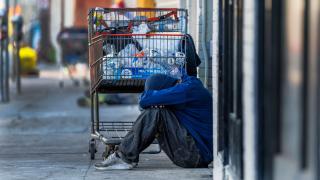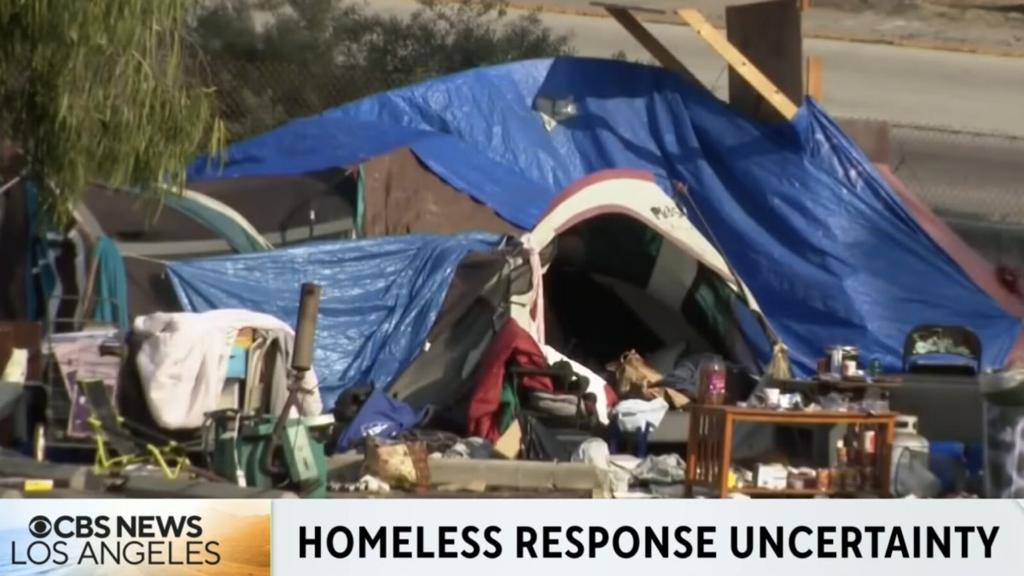
The U.S. Department of Housing and Urban Development (HUD) has informed the Los Angeles Homeless Services Authority (LAHSA) that it will no longer receive federal funding. This decision marks a significant shift in support for an agency that has faced scrutiny over its management and effectiveness in addressing homelessness in the region.
Explainer California Elections: Low Turnout, Vote Counting Controversies, and Political Implications
The core tension lies in the agency's failure to significantly reduce homelessness despite receiving substantial funding over the years. Critics argue that the withdrawal of federal support highlights ongoing issues within LAHSA, which has been criticized for mismanagement and alleged fraud.
LAHSA was established in 1993 as a joint powers agency, funded and overseen by both the City of Los Angeles and Los Angeles County. The agency gained increased prominence following the passage of Measure H in 2017, which aimed to generate funds for homeless services through a countywide tax increase. However, Measure H was replaced by Measure A in 2024, which further increased taxes to support homeless initiatives. Despite these funding boosts, the homeless population in Los Angeles County has reportedly remained around 72,000, according to recent counts.
Allegations of Mismanagement
LAHSA has faced allegations of financial mismanagement, with reports indicating that funds intended for homelessness services have been misappropriated. A Department of Justice press release noted that the executive director of a South Los Angeles charity was arrested for allegedly swindling $23 million in homelessness funds. Critics argue that the agency's structure has incentivized inefficiency, as it has become reliant on a continuous influx of funding without achieving its primary goal of reducing homelessness.
"LAHSA has leaked cash," said Chris Bray, a senior correspondent at The Federalist, who has reported extensively on the agency's issues. He pointed out that the authority funds over 100 nonprofit partner agencies, which has led to concerns about accountability and transparency in how funds are utilized.
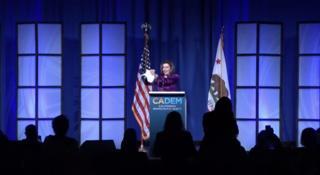
In response to the growing criticism, County Supervisor Lindsey Horvath has led efforts to redirect county funding away from LAHSA to a new system under direct county control. This move reflects a broader discontent with the agency's performance, even among some local Democrats. Horvath's actions suggest a recognition that the current structure may not be effectively addressing the homelessness crisis.
Impact of Funding Withdrawal
The withdrawal of federal funding from LAHSA is expected to have significant implications for the agency's operations. Following the loss of county funding, LAHSA has announced layoffs and plans for a major restructuring to narrow its focus. The agency is now facing uncertainty as the Los Angeles City Council considers its options regarding future funding and support.
Despite the challenges, some supporters of LAHSA argue that the agency has been unfairly targeted and that the complexities of homelessness require a multifaceted approach. They contend that cutting funding could exacerbate the situation for those in need of services. However, officials from LAHSA did not respond to requests for comment regarding the recent funding withdrawal and its implications.
The recent decision by HUD to cut funding comes after years of criticism regarding LAHSA's effectiveness. Reports from California news outlets have highlighted ongoing issues within the agency, including a court-ordered audit that found significant flaws in Los Angeles's homeless services. The timing of HUD's decision raises questions about the federal government's oversight and response to local agencies struggling to meet their mandates.
As LAHSA grapples with its funding challenges and restructuring efforts, the broader issue of homelessness in Los Angeles remains pressing. With the homeless population still high, the effectiveness of any new strategies or funding mechanisms will be closely scrutinized in the coming months.
The situation underscores the complexities of addressing homelessness in urban areas and the need for accountability in how funds are allocated and utilized. As local officials and agencies navigate these challenges, the stakes for the vulnerable populations they serve remain high.