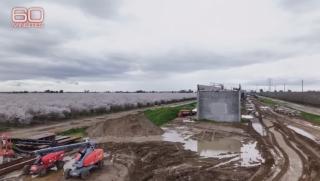
California's ambitious high-speed rail project, which aims to connect Los Angeles and San Francisco, is currently facing significant challenges as state officials reveal plans to scale back the project amid ongoing funding concerns. After nearly two decades of effort and an expenditure of approximately $15 billion, the California High-Speed Rail Authority is now attempting to modify the project to ensure its survival. Critics argue that these modifications undermine the original vision of the project and may violate state law.
Explainer Election Integrity and Voter Access in California: A Complex Landscape
The core tension lies in whether California can deliver on a project that was initially promised to voters as a high-speed rail line. The current proposal suggests a much more limited scope that may not even be financially viable. Legislative analysts have raised alarms about the feasibility of completing the revised project, which has been significantly downsized from its original conception.
Initially approved by voters in 2008, the high-speed rail project was envisioned as a $10 billion line connecting major cities across California. However, the current plan focuses on a 171-mile segment between Bakersfield and Merced, with a core segment of just 119 miles. During a recent legislative hearing, Helen Kerstein, a policy analyst, stated, "In our assessment, we think it’s likely that there’s insufficient funding to complete Merced to Bakersfield."
Funding Challenges
The High-Speed Rail Authority is now looking to borrow against future cap-and-invest revenues to fund the construction of the project, which has raised concerns among analysts regarding the project's financial viability. Kerstein noted that the state hopes to finance initial construction by borrowing against funds expected to be available only in 2045. "That is a LOT easier said than done," she remarked, highlighting the uncertainty surrounding the project's financial future and the challenges associated with securing the necessary funding.
Moreover, the Authority's recent documents suggest a shift in the project's scope, presenting what they describe as cost-saving measures. Critics argue that these changes fundamentally alter the project's original intent and vision. Ben Belknap, the inspector general for the High-Speed Rail Authority, emphasized the need for clarity in the project's direction, stating, "There needs to be a clear distinction between cost-cutting measures and scope changes."
Legislative and Public Response
The legislative hearing revealed a growing frustration among lawmakers regarding the project's viability and future. Analysts have pointed out that even if the state manages to address the funding issues for the initial segment, there remains no clear path to expand beyond the Central Valley. This has led to skepticism about the project's future, with some lawmakers questioning whether it can deliver on the promises made to voters when the project was first approved.
Supporters of the project, however, have not publicly responded to the criticisms raised during the hearing. The High-Speed Rail Authority has faced criticism for presenting a significantly altered project as a cost-saving measure, which some media outlets have misrepresented as a positive development for the project.
Future of High-Speed Rail
As the project continues to evolve, the Authority is proposing changes that could further diminish its original vision. Plans to build train stations in less accessible locations, such as moving a proposed station in downtown Merced to a site four miles away, have raised concerns about the convenience of the service for potential riders. Critics argue that these changes could deter potential ridership and undermine the project's overall purpose and effectiveness.
The High-Speed Rail Authority's 2026 Draft Business Plan has sparked considerable debate about the future of high-speed rail in California. Some analysts project that the Authority could face significant annual operational losses once the Bakersfield-to-Merced segment is operational. According to the Authority's projections, they could face operational losses ranging from $88 million to $101 million annually, depending on ridership numbers and other factors.
In summary, California's high-speed rail project is at a critical juncture as it grapples with funding and scope changes that threaten its original goals and vision. The outcome of this project could have broader implications for state governance and infrastructure development in California, raising pressing questions about the state's ability to deliver on large-scale projects. As the situation develops, the High-Speed Rail Authority will need to address these challenges effectively to restore public confidence in the project and its future viability.