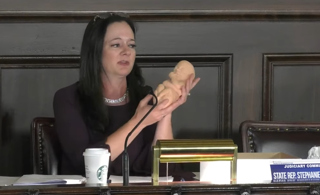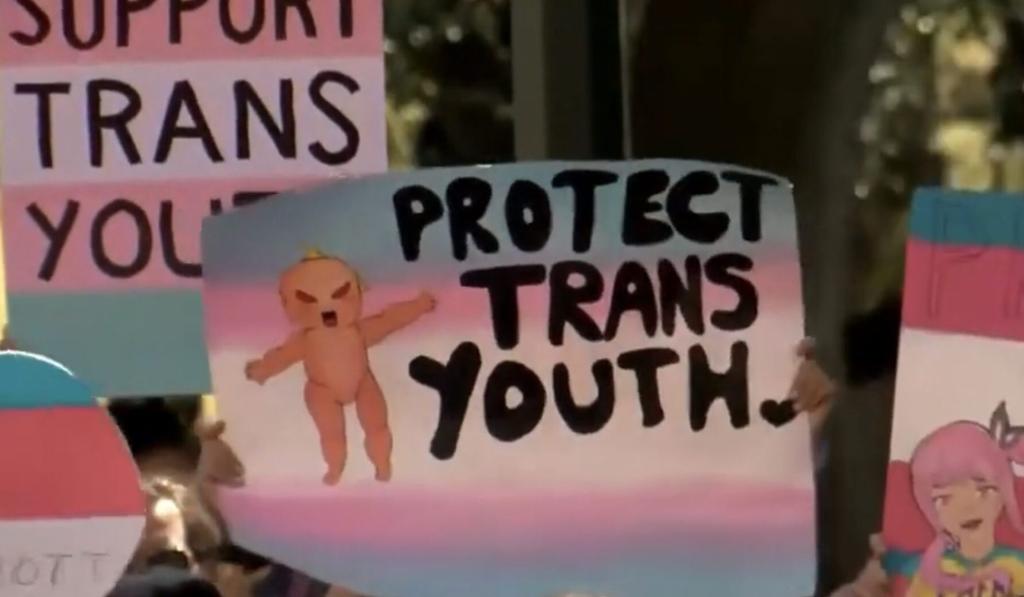
A recent California legislative hearing showcased a surprising level of bipartisan opposition to two pro-transgender bills, AB 1540 and AB 1876, as numerous speakers expressed concerns about the implications of these measures. The tension centers on the balance between supporting transgender youth and addressing the potential harms associated with gender-affirming treatments, a debate that has drawn voices from across the political spectrum.
Explainer Election Integrity and Voter Access in California: A Complex Landscape
During the March 17 meeting of the Assembly Health Committee, a diverse group of individuals, including those traditionally aligned with progressive causes, voiced their opposition to the proposed legislation. Critics argue that the bills, which aim to create specialized suicide prevention services for LGBTQ+ youth and mandate insurance coverage for treatments based on declared gender identity, may overlook the complexities of gender identity and the experiences of those who have detransitioned.
AB 1540 seeks to establish a separate call center under the 988 crisis hotline specifically for LGBTQ+ youth. Proponents argue this will provide tailored support for vulnerable populations. However, Johnny Skinner, a young man who testified at the hearing, recounted his distressing experience with an LGBT suicide hotline, stating, "I was having thoughts of suicide because I didn’t like anything about my body. The doctors told me I was supposed to be a girl, so I viewed my male body as defective." Skinner criticized the hotline for not addressing his concerns, claiming, "They got very quiet, and then they hung up on me, a suicidal child."
Diverse Opposition
The hearing featured a range of speakers, including members of the LGBTQ+ community who expressed their discontent with the bills. Tish Hyman, representing Black Lesbians of Los Angeles, stated, "I strongly oppose this bill," highlighting the growing discontent among some progressives regarding transgender policies. Arianne Geringer, from Oakland, emphasized the exclusion of the 'T' from the LGB Alliance, asserting, "The absence of the T in our name is significant."
The second bill, AB 1876, would require health insurance companies to cover medical treatments based on an individual's declared gender identity. Critics, including a detransitioner named Layla, shared harrowing accounts of their experiences. Layla described her childhood filled with abuse and the pressure to undergo medical procedures, stating, "A few weeks after I turned 13, my breasts were amputated because my mother was told that I would kill myself if she didn’t consent to the procedure. I became extremely suicidal after I was pumped with drugs and affirmed by all the trusted adults in my life that everything about my body was wrong."
Legislative Response
Despite the vocal opposition, both bills were ultimately voted out of committee, moving forward in the legislative process. Assemblyman Mark Gonzalez, the author of AB 1540, acknowledged the dissenting voices but maintained that the legislation is intended to help children. He stated, "This bill is just about helping kids," framing the issue as a moral imperative.
Supporters of the bills argue that they are necessary to provide essential services and protections for transgender youth. However, the testimonies from various speakers at the hearing suggest a growing concern that the current approach may not adequately address the needs and experiences of all individuals affected by these policies.
The California legislature typically introduces over a thousand bills annually, often leading to rapid decision-making in committee hearings. The recent discussions indicate that the debate over transgender issues is evolving, with increasing recognition of the complexities involved.
As the national conversation continues to unfold, the California hearings reflect a broader trend of bipartisan skepticism regarding certain aspects of transgender policy. The voices of those who have experienced the consequences of these policies are becoming more prominent, suggesting that the dialogue around transgender issues may be shifting beyond traditional political boundaries.
In conclusion, the California legislative hearing highlights a significant and growing bipartisan concern regarding the implications of pro-transgender legislation, raising questions about the future direction of such policies in the state and beyond.