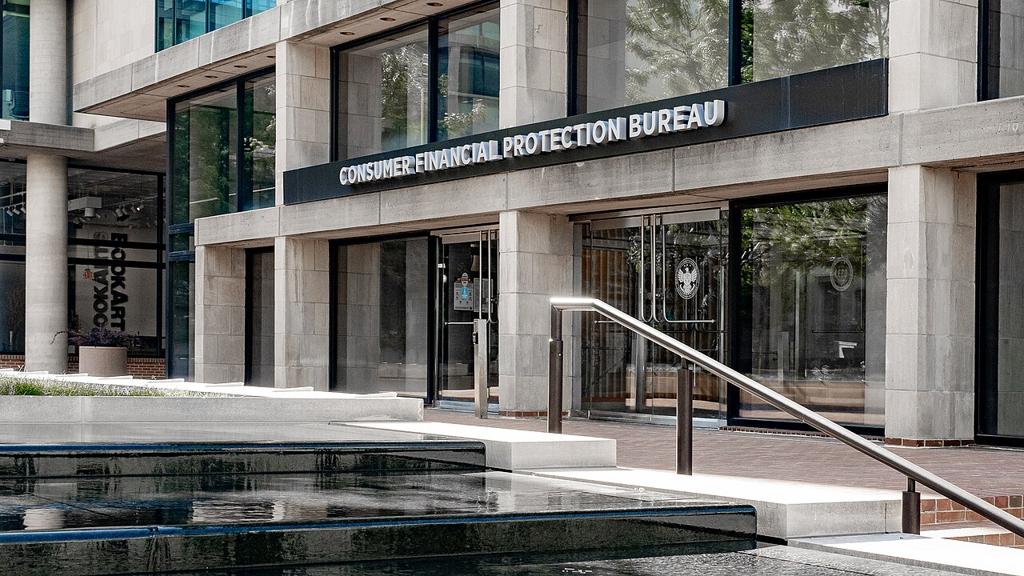
The Trump administration is taking steps to shut down the Consumer Financial Protection Bureau (CFPB), citing legal requirements due to the agency's lack of funding. Acting Director Russell Vought announced the decision, supported by the Justice Department, which stated that the Federal Reserve has no "combined earnings" to transfer to the Bureau. Under 12 U.S.C. § 5497, the CFPB can only draw funds from the Fed's profits, and the Fed has reported operating losses since 2022.
Vought's move comes as the CFPB faces dwindling resources, with over $711 million previously in its account now running out. Critics, including Senator Elizabeth Warren, have labeled the action a political attack, but proponents argue it is a necessary return to the rule of law. The CFPB was established under the Dodd-Frank Act in the aftermath of the 2008 financial crisis, designed to operate independently of Congress and the executive branch.
The CFPB's structure has been criticized for creating an unaccountable bureaucracy that imposes regulatory costs without direct oversight. The Center for Renewing America has described the agency as a self-financing enforcement body that duplicates the roles of other financial regulatory agencies.
Vought's decision to request no funding from the Fed earlier this year was framed as a common-sense approach to managing the Bureau's finances. "When an agency cannot lawfully pay its own bills, it cannot lawfully regulate the lives of others," Vought stated.
Supporters of the shutdown argue that the functions of the CFPB, such as enforcing fair lending laws, are already covered by other government entities or state regulators. They contend that the closure of the CFPB will not lead to chaos in the financial markets but rather streamline regulatory oversight.
The legal basis for shutting down the CFPB is grounded in the text of Dodd-Frank and reinforced by recent Supreme Court rulings. The Trump administration's stance signals a potential shift in how administrative agencies operate, particularly those that have been allowed to self-fund and self-govern.
While some may interpret the Supreme Court's 2024 decision regarding CFPB funding as a validation of the agency, critics argue it merely highlighted the Bureau's constitutional flaws without addressing them directly. The D.C. Circuit Court has also supported the administration's restructuring efforts, indicating that the CFPB's operational changes do not constitute a reviewable final agency action.
The founders of the United States designed the government to maintain checks and balances, ensuring that no agency operates outside the bounds of the law. The CFPB's existence has been viewed by some as a violation of this principle. By moving to shut down the Bureau, the Trump administration aims to restore congressional authority over financial regulation and reinforce the limits of executive power.