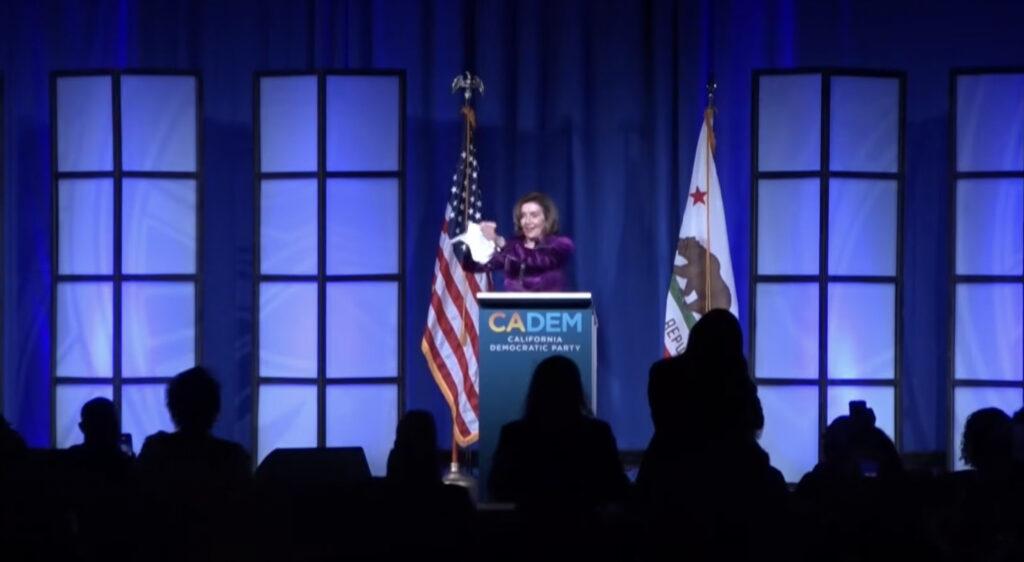
The California Democratic Party held its annual convention over the weekend, where delegates gathered to discuss party priorities amid growing concerns about the state's fiscal health and the rising issue of homelessness. Critics argue that despite significant spending, the state has not effectively addressed these pressing issues, raising serious questions about the party's approach to governance and its ability to deliver tangible results for Californians.
Explainer Public Safety and Crime Trends in America: Understanding the Landscape
The convention took place as California faces a chronic negative fiscal situation, according to the state’s legislative analyst. With major businesses relocating to other states and homelessness rates continuing to increase, many are questioning the effectiveness of the Democratic leadership in addressing these urgent challenges. The state's financial difficulties have been compounded by a lack of accountability in how funds are allocated and spent.
California has spent tens of billions of dollars on homelessness initiatives since 2008, yet the homeless population continues to rise alarmingly. Critics highlight that the lack of accountability for these funds has significantly contributed to the ongoing crisis. San Jose Mayor Matt Mahan, a centrist candidate for governor, emphasized the need for government accountability, stating, "California is one of the highest taxed states in the nation and independent analysts have clearly identified billions in fraud and waste. Let’s make government accountable to results."
Promises and Proposals
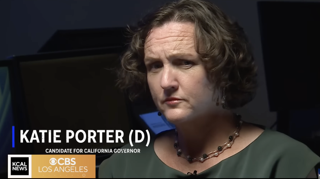
During the convention, several candidates, including Congresswoman Katie Porter, made ambitious promises aimed at addressing the needs of Californians. Porter pledged to deliver universal healthcare, free childcare, zero tuition at public universities, and the elimination of the state income tax for individuals earning less than $100,000. However, critics pointed out that she did not specify how the financially strained state would fund these ambitious initiatives, raising concerns about the feasibility of her proposals.
Mahan, who was not invited to speak at the convention due to timing issues, has positioned himself as a moderate alternative to the party's more progressive candidates. He has been vocal about the need to address homelessness and wasteful spending, stating, "We should stop wasting tax money and filthy cities full of homeless encampments should be cleaned up." His focus on practical solutions contrasts sharply with the more idealistic promises made by some of his fellow Democrats.
Criticism of Leadership
The convention featured notable Democratic figures, including former House Speaker Nancy Pelosi, who delivered a speech that included a symbolic gesture of tearing up her notes. This act was reminiscent of her actions during a previous State of the Union address, which some attendees found to be theatrical rather than substantive. Critics argue that such gestures do little to address the real issues facing the state.
Other prominent speakers included Representatives Eric Swalwell and Adam Schiff, but their remarks did not address the pressing issues facing California, such as fiscal mismanagement and homelessness. Instead, the convention appeared to focus more on party unity and ideological alignment, with little discussion on practical solutions to California's challenges. This lack of engagement with critical issues may leave voters feeling disconnected from their leaders.
Looking Ahead
The California Republican Convention is scheduled for April, and it remains to be seen how the GOP will address the state's issues in contrast to the Democrats. In recent years, Republican gatherings have struggled to gain traction, but the upcoming event may provide an opportunity for a renewed focus on state governance and a chance to present alternative solutions to the problems facing California.
As the Democratic Party continues to promote its agenda, the lack of responses to criticisms regarding fiscal management and homelessness may impact voter sentiment in the upcoming elections. Supporters of the Democratic initiatives have not publicly addressed these concerns, leaving room for further debate on the party's effectiveness in leading California through its current challenges. The outcome of these discussions may play a significant role in shaping the political landscape as the state approaches the next election cycle.