A recent report from The Federalist identifies what it claims are the top 25 misrepresentations made by Democrats and their media allies in 2025. The report argues that these narratives distort the truth surrounding immigration, law enforcement, and political accountability, particularly in the context of the Trump administration's policies.
The core tension in this discourse revolves around the portrayal of immigration enforcement and the actions of federal agencies, which critics argue are often misrepresented to serve political agendas. The report highlights specific instances where it claims Democrats and media outlets have mischaracterized events or individuals to shape public perception.
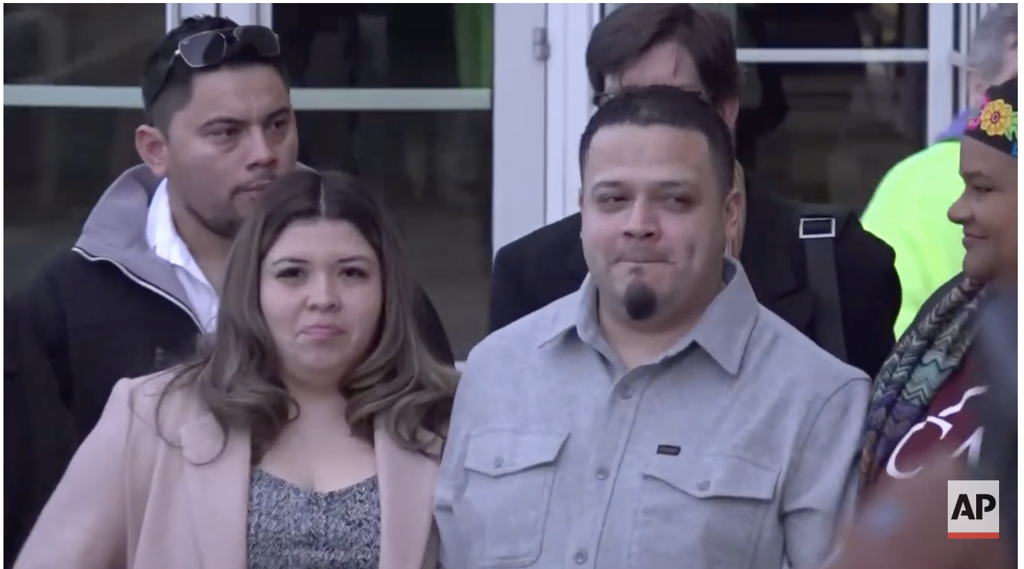
One of the key examples cited is that of Kilmar Abrego Garcia, an unauthorized immigrant allegedly involved in smuggling and gang activity. The report claims that when the Trump administration deported him, Maryland Senator Chris Van Hollen referred to him as a “Maryland man,” framing him as a victim of harsh immigration policies. A senior official from the Department of Homeland Security (DHS) countered this narrative, stating, “Kilmar Abrego Garcia is not and will never be a Maryland Man—he is a criminal illegal alien from El Salvador and public safety threat.” Critics of the report argue that it oversimplifies complex immigration issues and fails to acknowledge the humanitarian aspects of immigration reform.
Misrepresentation of ICE Operations
The report also addresses alleged misrepresentations regarding the actions of Immigration and Customs Enforcement (ICE). It cites a CBS News report that described a U.S. citizen being forcibly removed from her vehicle during an ICE operation. According to the report, the woman was detained after refusing to comply with law enforcement requests. DHS clarified that she was driving a car belonging to her unauthorized immigrant boyfriend, which adds context to the incident that critics say was omitted in media coverage.
In response to these claims, some media analysts argue that the portrayal of ICE operations often lacks nuance, focusing instead on sensational aspects that may not accurately reflect the realities of enforcement actions.
Political Accountability and Media Narratives
The report further critiques the media's portrayal of political events, including the government shutdown that occurred in late 2025. It claims that Democrats were quick to blame Republicans for the impasse, despite evidence suggesting they resisted passing a clean continuing resolution. The report asserts that Democrats held onto pandemic-era subsidies, which contributed to the shutdown, and characterized their actions as a failure to govern effectively.
Supporters of the Democrats argue that the shutdown was a complex issue involving multiple stakeholders and that blaming one party oversimplifies the situation. They contend that the need for continued support for pandemic-related programs justified the Democrats' stance.
Broader Implications
The report's assertions about the alleged misrepresentations by Democrats and the media reflect ongoing tensions in U.S. political discourse, particularly regarding immigration and law enforcement. As the 2024 elections approach, these narratives are likely to play a significant role in shaping public opinion and voter behavior.
While critics of the report emphasize the need for accurate representation of immigration issues, supporters of the claims argue that the narratives pushed by Democrats and their allies often ignore the complexities of law enforcement and public safety. The debate underscores the challenges of navigating political narratives in an increasingly polarized environment, where facts and interpretations can vary widely based on ideological perspectives.