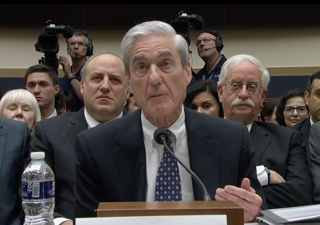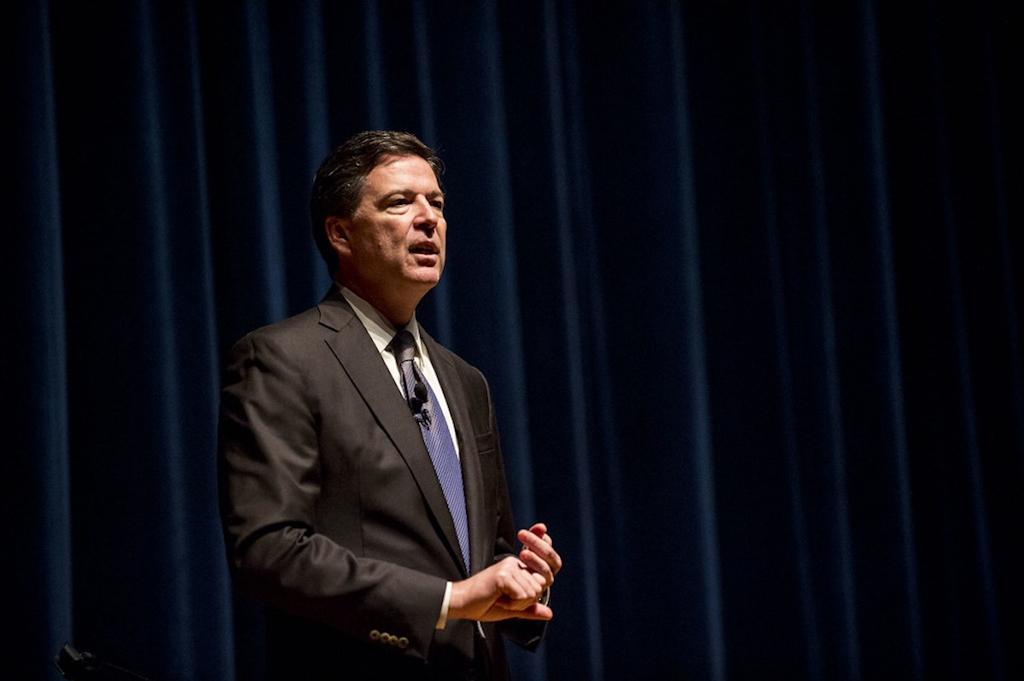
The indictment of former FBI Director James Comey on September 25, 2025, reopened one of the most polarizing arguments in American politics: when leaders promise "retribution," is that constitutional accountability or political revenge?
This Opinion piece treats both sides seriously. Supporters of former President Donald Trump argue the case reflects overdue scrutiny after years of what they view as one-sided enforcement. Critics argue public promises of retaliation can pressure institutions and blur the line between prosecution and politics.
Supporters see delayed accountability
The pro-accountability argument is rooted in parity. Trump allies have long argued that aggressive investigations against one faction were treated as normal, while potential misconduct by powerful investigators received softer treatment. In that frame, a prosecution connected to Comey's underlying indictment is not exceptional. It is the application of standards that should have been applied evenly.
Supporters also argue that perceived selective leaks and media narratives distorted public trust for years. They view this case as a test of whether legal consequences can reach elite decision-makers, not only political outsiders.
Critics warn about institutional damage
Critics focus on process legitimacy. Their concern is not that former officials can be charged, but that public language about enemies and punishment can make any prosecution appear pre-judged by politics. Even a legally supportable case can be weakened if the public sees rhetoric first and evidence second.
That is why skeptics stress transparent filings, clear charging rationale, and courtroom-tested evidence. They argue confidence in the justice system depends on showing that politically sensitive cases are handled by durable rules, not by media momentum.
What actually matters now
The strongest test from here is procedural. Are motions resolved in open court? Are discovery fights handled consistently? Are witness and privilege disputes treated under ordinary standards? Those questions matter more than campaign phrasing.
Readers tracking this issue should follow connected reporting on DOJ independence concerns and the defense-team conflict issues in Comey's attorney dispute. For broader background and timeline context, see the explainer on charges against Comey.
Bottom line
The indictment did not end the retribution debate. It sharpened it. One camp sees equal treatment under law finally happening. The other sees a warning sign for partisan prosecution. The only stable answer is evidentiary discipline: legal outcomes should rise or fall on proof and procedure, not on applause lines.