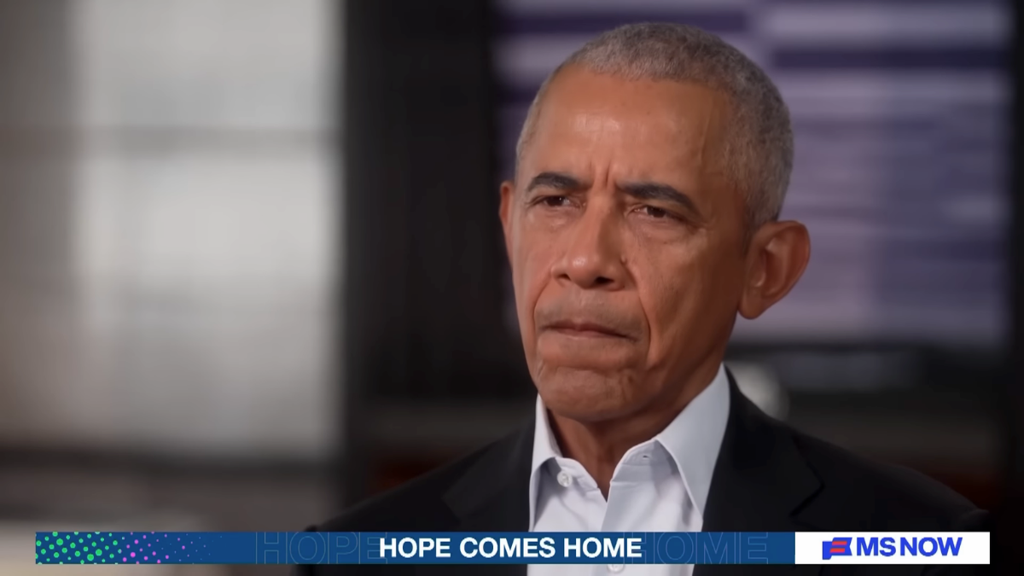
Conservative writers are intensifying criticism of former President Barack Obama, arguing he played a central role in steering the Democratic Party toward more radical left-wing positions now associated with figures like Zohran Mamdani and the Democratic Socialists of America (DSA). The debate has resurfaced following Obama’s recent public appearances and viral moments, including his supportive exchange with WNBA player Caitlin Clark, which some commentators say mask a deeper ideological influence on the party.
Explainer The Complex Legal Landscape of Abortion Laws After Dobbs
The core dispute centers on whether Obama’s policies and rhetoric marked a moderate era for Democrats or laid the groundwork for the party’s current progressive wing.
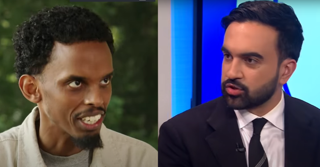
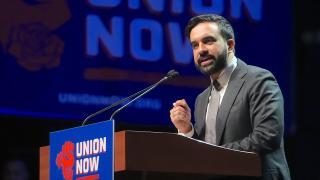
The argument comes as the Democratic Party faces internal divisions, with some leaders depicted as moderates and others, such as Mamdani and DSA members, pushing for more overtly socialist policies. Critics contend that the narrative of a party split between moderates and radicals is misleading, asserting that Obama’s administration already moved the party significantly leftward.
Obama’s Policy Record and Party Influence
Conservative voices point to Obama’s signature legislative achievement, the Affordable Care Act, as evidence of a leftward shift. The law, passed in 2010 by a Democrat-controlled Congress, expanded government involvement in health care and mandated insurance coverage, which critics describe as a step toward socialized medicine. A 2012 editorial in Surg Neurol Int described the law as “further socializing American medicine” and noted that it was passed despite widespread public opposition and polling that showed dissatisfaction with the plan’s scope and cost (PMC3424675 — pmc.ncbi.nlm.nih.gov).
Obama also faced criticism for his associations with controversial figures, including Bill Ayers, a founder of the Weather Underground, and for his long-time membership in the church of Jeremiah Wright. These connections, critics argue, set a precedent for the party’s openness to more radical voices. The Federalist’s Joshua Monnington writes that Obama’s relationships and rhetoric, including statements about America’s need for fundamental transformation, have influenced a new generation of left-wing politicians.
Rhetoric and Race in Obama’s Presidency
Obama’s handling of racially charged incidents during his presidency remains a flashpoint. He was criticized for weighing in on the arrest of Harvard professor Henry Louis Gates Jr., saying the police “acted stupidly,” and for his comments following the shooting of Trayvon Martin, stating, “If I had a son, he would look like Trayvon.” In the aftermath of the Ferguson, Missouri, shooting of Michael Brown, Obama called the resulting riots “understandable” and suggested the law was often applied in a discriminatory way. Critics argue these interventions contributed to the rise of movements like Black Lives Matter and heightened racial tensions.
"You’re fantastic! Don’t let all this nonsense get you down."
— Barack Obama, former U.S. president
Obama’s critics also cite his remarks abroad, such as those in Strasbourg, where he spoke about America’s “arrogance” and the need for the country to change, as evidence of a worldview that aligns with the party’s progressive wing (S2).
Party Approval and Internal Dynamics
Despite criticism from the right, Obama remains highly popular among Democratic voters. A June 2026 CNN poll cited by The Federalist found that nearly 90 percent of self-described liberals and 96 percent of Democrats view him favorably, a figure that has remained steady since he left office. Supporters argue that Obama’s broad appeal and electoral success demonstrate his ability to unite the party, while critics maintain that his popularity reflects the party’s overall shift leftward.
Some commentators, such as Sean Davis, dispute claims that Obama is viewed as a centrist by the left, stating, “Obama was adored by the far Left when he left office (95% approval rating among Democrats) and he remains adored by the far Left today.”
Responses and Ongoing Debate
While conservative outlets and commentators continue to link Obama’s legacy to the Democratic Party’s current direction, party leaders and supporters have not directly addressed these criticisms in recent statements. The debate over the party’s ideological trajectory is likely to continue as new figures like Mamdani gain prominence and the party navigates internal divisions.
Obama’s recent public comments and interactions, including his support for Caitlin Clark, have drawn praise for their tone but have not shifted the broader debate over his influence on the party’s ideological path.