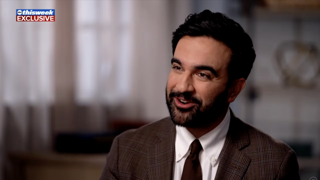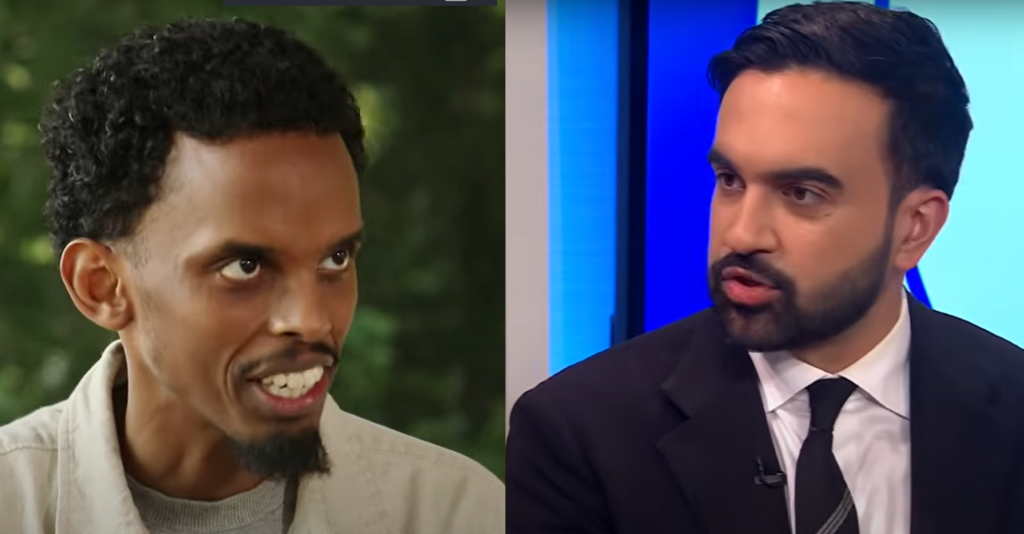
New York mayoral candidate Zohran Mamdani and Minneapolis mayoral candidate Omar Fateh are gaining attention for their campaigns that reflect the growing influence of the Democratic Socialists of America (DSA) within the Democratic Party. Both candidates, under 40 years old and members of their respective state legislatures, are advocating for policies that some critics argue could fundamentally alter the political landscape in the United States.
Mamdani, 33, serves in the New York State Assembly, while Fateh, 35, is a Minnesota senator. Both candidates are affiliated with the DSA, which is not an official political party but operates similarly, pushing for a platform that some traditional Democrats view as radical. Critics assert that the DSA is increasingly influencing the Democratic Party, making it difficult for conventional candidates to gain traction.
The DSA's platform includes proposals that have raised eyebrows among party moderates. For instance, the organization advocates for the abolition of the Senate and the Electoral College, arguing that these institutions hinder democratic representation. Critics warn that such changes could diminish the voices of voters in less populated states, which tend to lean conservative.
"We must ensure that all voices are heard, especially those in rural areas who could be marginalized by a purely population-based voting system," (U.S. Congress) said John Smith, a political analyst.
Another contentious aspect of the DSA's platform is its stance on law enforcement and the prison system. The DSA calls for the reduction and eventual abolition of prisons, viewing them as institutions of systemic oppression. This includes proposals to dismantle police forces and replace them with community-based safety systems. Supporters argue that this approach addresses systemic inequalities, while critics contend it could lead to increased crime and insecurity.
"The DSA's vision for public safety is misguided and could endanger communities that need protection the most," (U.S. Congress) stated Jane Doe, a former police chief.
The DSA also promotes policies aimed at economic restructuring, including a four-day workweek without a reduction in pay, universal childcare, and a $15 minimum wage. Proponents argue these measures would enhance workers' rights and improve quality of life, while detractors claim they are economically unfeasible and could stifle business growth.
Moreover, the DSA's platform advocates for extensive government involvement in various sectors, including healthcare, education, and housing. The organization envisions a system where essential services are provided at no cost to individuals, raising concerns about the financial sustainability of such proposals.
"While the intention behind these policies may be to create a more equitable society, the practical implications could lead to significant economic challenges," (U.S. Congress) noted economist Mark Johnson.
As the DSA continues to gain traction, traditional Democrats are faced with a pivotal moment. Some party members are calling for a reassessment of the party's direction, urging a return to principles that align more closely with those of past Democratic leaders.
"We need to have a serious conversation about what it means to be a Democrat today and how we can honor the legacy of leaders like JFK," (U.S. Congress) said former Democratic National Committee chairwoman Linda Green.
The ongoing debate within the Democratic Party reflects broader national conversations about the role of socialism in American politics. As candidates like Mamdani and Fateh rise to prominence, the implications of their policies will likely be a focal point in upcoming elections, influencing not only local races but potentially shaping national discourse as well.