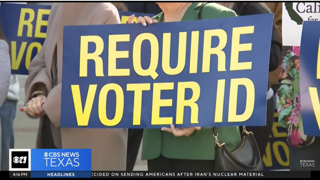
A recent Gallup poll reveals that a majority of Americans are concerned about the possibility of ineligible voters casting ballots in U.S. elections, as a high-profile voter ID bill remains blocked in the Senate. The poll, conducted in partnership with the Charles F. Kettering Foundation between April 24 and June 10, surveyed more than 23,000 adults nationwide. It found that 53 percent of U.S. adults are worried about ineligible voting, with significant concern expressed across party lines: 78 percent of Republicans, 48 percent of independents, and 36 percent of Democrats reported being worried about the issue.
Explainer Election Integrity in America: Safeguarding Voter Trust and Ballot Security
The findings come as Congress debates the Safeguard American Voter Eligibility (SAVE) America Act, a bill that would require documentary proof of citizenship to register to vote and mandate photo identification at the polls. The measure passed the House of Representatives but has stalled in the Senate, where Democratic leaders and some Republicans have voiced strong opposition. The debate has intensified as lawmakers and the public weigh the need for election integrity against concerns about disenfranchisement and access to the ballot.
Poll Results and Public Concerns
The Gallup poll not only highlights concerns about ineligible voting but also broader anxieties over election security. According to the survey, 57 percent of adults are worried that ballots may not be properly handled, counted, or secured. This concern is most pronounced among Republicans, 66 percent of whom expressed worry, but it is also shared by 54 percent of independents and 52 percent of Democrats. The poll’s large sample size provides a comprehensive snapshot of the electorate’s mood ahead of the 2026 midterm elections, underscoring that election security is a bipartisan concern.
Legislative Standoff in the Senate
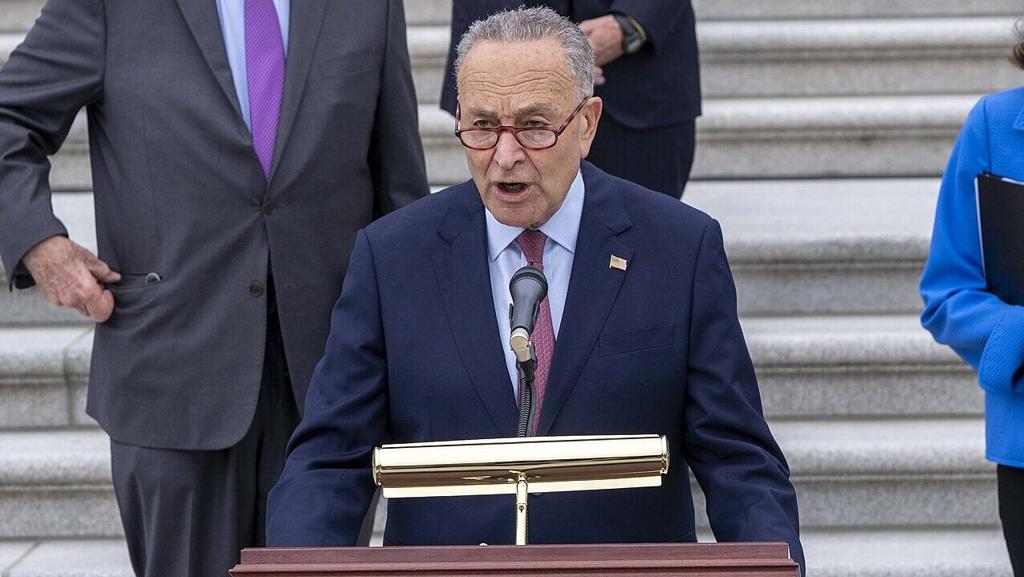
After clearing the House, the SAVE America Act has encountered significant resistance in the Senate. Senate Majority Leader Chuck Schumer has described the bill as “dead on arrival,” arguing that it would disenfranchise millions of eligible voters, particularly those from low-income backgrounds and communities of color. Schumer has called the bill a “modern day Jim Crow,” warning that strict documentation requirements could prevent more than 21 million citizens from voting. He stated, “millions of American citizens—millions—don’t have access to the paperwork that SAVE would require and would be in danger of getting shut out of our democracy.”
Schumer’s remarks also criticized the bill for potentially eliminating established voter registration methods, such as mail and online registration, which are used by service members overseas and other voters who may not be able to register in person.
"The SAVE Act includes such extreme voter registration requirements that if enacted could disenfranchise 21 million American citizens."
— Chuck Schumer, Senate Majority Leader
Supporters of the SAVE America Act argue that the legislation is necessary to address widespread public concerns about election integrity and to prevent ineligible voting. They cite incidents such as the case of Mike Miner in New York, who was told he had already voted when he arrived at his polling place, and the cases of Ralph Thurman and Vincent Marzello, both of whom were charged after casting ballots fraudulently. Proponents claim that requiring photo ID and proof of citizenship would help prevent such incidents and restore public confidence in the electoral process.
Previous Legislative Efforts and Party Positions
The debate over voter ID and proof-of-citizenship requirements is not new. Democrats have previously opposed similar measures. During debates over H.R. 1, the For the People Act, Democratic lawmakers proposed allowing voters to sign affidavits in lieu of presenting identification and sought additional federal review of state voter ID laws. Senator Mark Warner of Virginia recently stated that he supports the principle of voter ID but would not back the SAVE America Act, citing concerns about its implementation and potential impact on eligible voters.
The SAVE America Act would amend the 1993 National Voter Registration Act by requiring documentary proof of citizenship for voter registration, replacing the current system that relies on a signed attestation under penalty of perjury. Supporters argue that this change is needed to prevent noncitizens from registering to vote, while opponents say it would create unnecessary barriers for eligible voters who may lack the required documentation.
Broader Context and Next Steps
Concerns about election integrity and access to the ballot have shaped recent legislative battles in Congress, with both parties accusing each other of undermining democratic participation. While the SAVE America Act remains stalled in the Senate, public polling suggests that election security continues to be a top issue for voters across the political spectrum. Senate leaders have not indicated any immediate plans to bring the bill to a vote, and the debate over voter ID and proof-of-citizenship requirements is likely to persist as the 2026 midterm elections approach. The issue remains a central point of contention, reflecting broader national debates over how best to balance election security with ensuring broad access to the democratic process.