A three-judge panel of the 1st Circuit Court of Appeals has overturned administrative stays issued by Massachusetts federal judges Patti Saris and Brian Murphy, which had temporarily blocked the Trump administration from ending Temporary Protected Status (TPS) for foreign nationals from South Sudan and Ethiopia. The appellate panel’s orders, released Wednesday, cited the Supreme Court’s recent decision in Mullin v. Doe as the basis for reversing the lower court actions.
Explainer Understanding the Supreme Court’s Impact on Law and Liberty
The ruling highlights an ongoing, high-stakes legal battle over whether federal courts have the authority to intervene in executive decisions to terminate TPS for certain groups of migrants. TPS is a humanitarian program that allows foreign nationals from designated countries facing armed conflict or natural disasters to remain and work in the United States for a limited period. The Trump administration has sought to end TPS for several countries, sparking a series of legal challenges in federal courts.
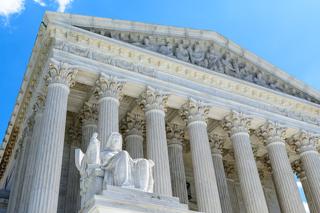
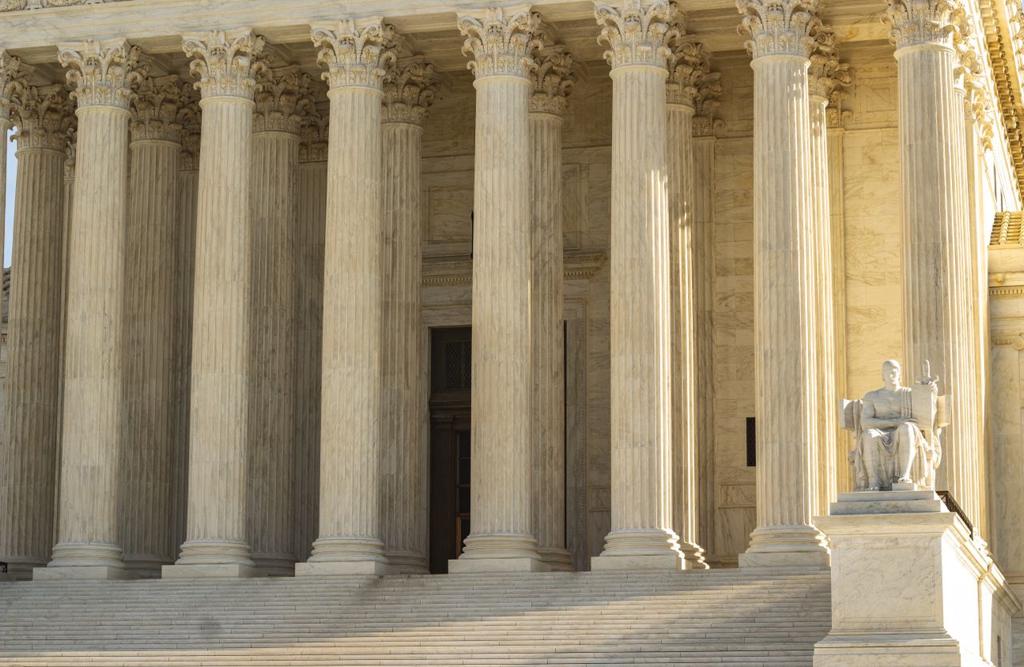
The dispute follows the Supreme Court’s 6-3 decision last month in Mullin v. Doe, authored by Justice Samuel Alito. In that ruling, the Court held that the TPS statute bars federal courts from reviewing non-constitutional claims against the government’s TPS decisions. The Court also rejected a constitutional claim alleging that the administration’s termination of TPS for Haitians was racially motivated. The 1st Circuit panel—composed of Judges Julie Rickelman and Seth Aframe, both Biden appointees, and Joshua Dunlap, a Trump appointee—found that the district judges’ stays were based solely on non-constitutional claims, which are now foreclosed by the Supreme Court’s interpretation.
The Appellate Panel’s Decision
In its orders, the 1st Circuit panel stated that its reversal was made “in light of” the Supreme Court’s ruling in Mullin v. Doe. The panel wrote, “Mullin held that ‘the TPS statute’s judicial-review bar applies to all non-constitutional claims’ challenging the Secretary of Homeland Security’s determination with respect to the termination of a TPS designation. … Claims of that nature were the only basis for the postponement order on appeal.”
The court granted the government’s request for summary reversal and denied as moot its request for a stay pending appeal. The cases were remanded to the district courts for further proceedings consistent with the Supreme Court’s decision. This means that, unless plaintiffs can present new constitutional claims, the lower courts are effectively barred from blocking the administration’s TPS terminations based on statutory or procedural arguments.
District Judges’ Actions and Response
Judges Saris and Murphy had issued administrative stays to allow challengers time to amend their complaints, with some plaintiffs reportedly seeking to reframe their arguments as constitutional claims. These stays temporarily prevented the Trump administration from ending TPS for South Sudanese and Ethiopian nationals, giving plaintiffs a window to adjust their legal strategy in response to the Supreme Court’s decision.
Murphy, according to reporting and court records, has previously issued orders at odds with Supreme Court precedent. The Department of Homeland Security (DHS) has characterized these efforts as attempts to “sidestep” the Supreme Court’s clear directive. DHS General Counsel James Percival, responding to the 1st Circuit’s decision on social media, called the reversal a “great win to be sure,” but warned that Judge Saris had “already indicated that she would enter a new order postponing the termination on remand.”
"That is the absurdity we are facing."
— James Percival, DHS General Counsel
Ongoing Legal Maneuvering
According to a report from CNN, challengers to the TPS terminations have been exploring ways to repackage their procedural arguments as constitutional claims or have signaled plans to do so. The 1st Circuit’s remand leaves open the possibility that new legal challenges could be filed, potentially prolonging litigation over the administration’s authority to end TPS designations.
The panel’s decision does not preclude district courts from considering amended complaints that raise constitutional issues, but it affirms that non-constitutional claims are barred by the Supreme Court’s interpretation of the statute. This distinction is likely to shape the next phase of litigation, as plaintiffs weigh whether they can successfully argue that the administration’s actions violate constitutional protections.
The Trump administration has argued that the Supreme Court’s decision should end further judicial intervention in TPS terminations, while some district judges and plaintiffs continue to seek avenues for review. Supporters of the district judges’ actions have not publicly responded to the appellate decision. The outcome of any new constitutional claims remains uncertain, and the legal fight over TPS is expected to continue in the coming months as both sides adjust their strategies in light of the Supreme Court’s ruling.