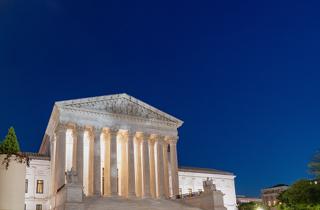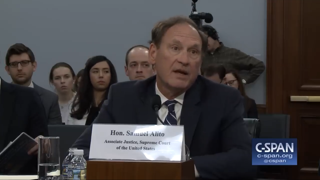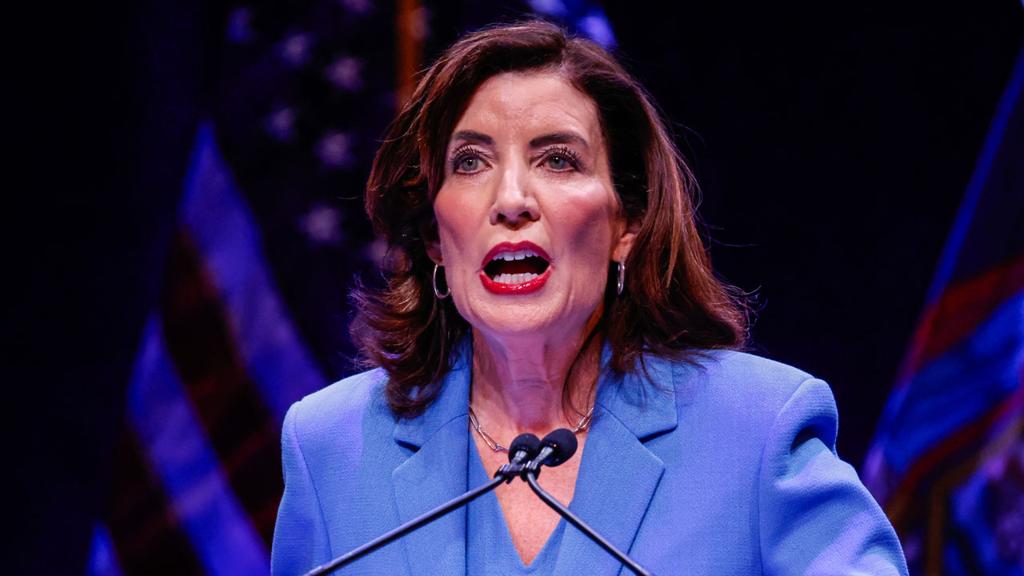
New York Gov. Kathy Hochul has granted clemency to Keisy Guerrero Mariano, a Dominican national who was convicted of second-degree assault, effectively ending a closely watched legal case that federal officials had hoped to use as a test before the U.S. Supreme Court. The case centered on the federal government’s authority to detain immigrants with criminal convictions and whether those individuals are entitled to bond hearings if their detention becomes prolonged.
Explainer Understanding the Supreme Court’s Impact on Law and Liberty
The governor’s decision has sparked criticism from some quarters, particularly among those who argue that such actions undermine efforts to expedite the deportation of immigrants convicted of serious crimes. Critics say that by pardoning Mariano, Hochul has removed a key opportunity to clarify federal immigration law regarding detention and bond hearings for noncitizens with felony convictions.
Mariano, who is referred to as “G.M.” in court documents, was convicted in 2015 for a violent offense and served two years in prison. His case stands out among the six individuals pardoned by Hochul on August 28. While the other five pardoned individuals were nonviolent offenders with convictions dating back as far as the 1980s, Mariano’s conviction was both recent and involved violence, making his case particularly significant in the ongoing debate over immigration enforcement and criminal justice reform.
ICE Detention and Legal Challenge
After completing his prison sentence, Immigration and Customs Enforcement (ICE) detained Mariano in 2020, seeking to deport him based on his felony conviction. His detention became part of a broader legal battle over the federal government’s ability to hold noncitizens with criminal records for extended periods without offering them a bond hearing. Mariano’s legal team challenged ICE’s authority, arguing that prolonged detention without the possibility of release on bond violated constitutional protections.
In 2022, a nationwide injunction related to the COVID-19 pandemic required ICE to review the custody status of detainees with certain medical conditions. As a result, Mariano was released from detention. However, the legal questions surrounding his case remained unresolved, and federal officials continued to prepare for a possible Supreme Court review.
The Trump administration had specifically identified Mariano’s case as a potential vehicle to bring the issue of prolonged immigration detention before the nation’s highest court. The administration and other advocates for stricter immigration enforcement have argued that mandatory detention and prompt deportation are essential for public safety and the integrity of the immigration system. They contend that allowing bond hearings can delay deportations and increase the risk that individuals released on bond may not appear for future proceedings.
"Mandatory deportation should mean just that—even a legal immigrant who commits a serious offense ought to be expelled promptly, and he shouldn’t get the benefit of a bond hearing just because his case takes longer than it should and he winds up in 'prolonged' detention."
— John Sauer, Solicitor General
Impact of the Pardon
Gov. Hochul’s pardon of Mariano nullified his felony conviction, which had been the basis for ICE’s efforts to deport him. With the conviction vacated, ICE no longer had grounds to pursue his removal, and the legal process that could have led to a Supreme Court ruling was effectively halted. Solicitor General John Sauer, who had been involved in preparing the case, stated that he intends to seek out another case to bring the issue of prolonged immigration detention and bond hearings before the Court.
A similar test case involving a Jamaican national convicted of sexually abusing a child was also removed from the courts. In that instance, the individual left the country and declared he would not return, rendering his legal challenge moot and eliminating another possible path for Supreme Court review.
Ongoing Debate and Future Implications
Supporters of Hochul’s actions have not publicly responded to the criticism, and the governor’s office has not addressed claims that the pardon was motivated by political considerations. The lack of public comment has left open questions about the rationale behind the decision and its broader implications for immigration enforcement policy in New York and beyond.
At the heart of the debate is whether immigration authorities should be able to detain individuals convicted of violent crimes until they can be deported, or whether extended detention entitles those individuals to bond hearings that could delay or complicate their removal from the country. The outcome of future cases may determine how federal immigration authorities handle detention and bond hearings for noncitizens with serious criminal convictions, and whether states can play a role in shaping those outcomes through the use of executive clemency.
As federal officials look for new cases to bring before the Supreme Court, the legal and policy questions raised by Mariano’s case remain unresolved. The issue continues to be a flashpoint in the broader national conversation about immigration enforcement, public safety, and the rights of noncitizens within the U.S. legal system.