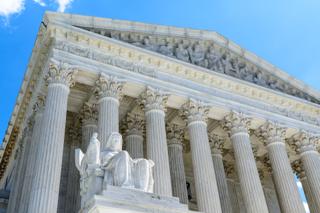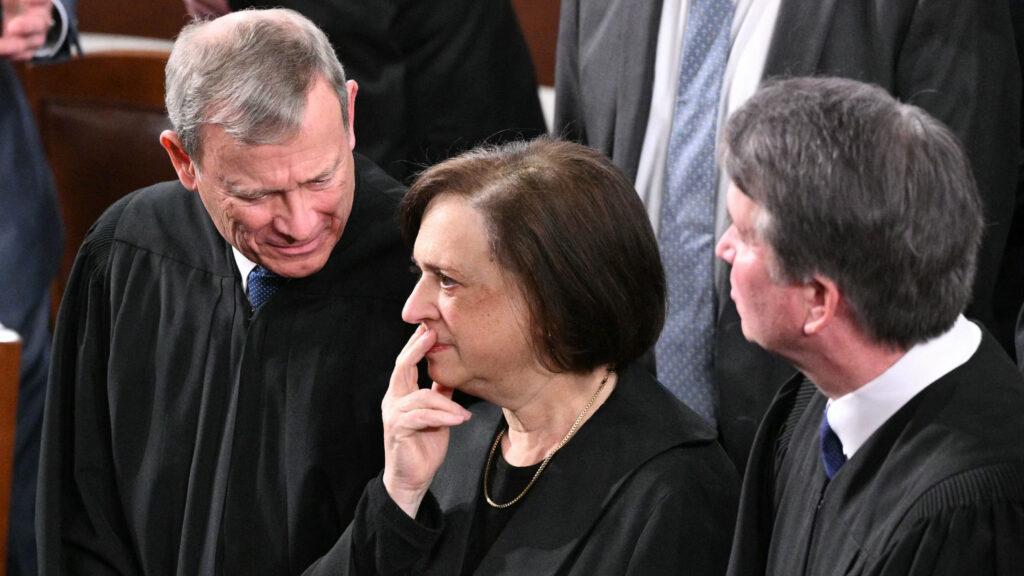
The Supreme Court has scheduled oral arguments for seven cases in early October, including major disputes over immigrant detention and lawsuits against oil companies for climate change damages, according to the court’s official calendar and multiple reports.
Explainer Understanding the Supreme Court’s Impact on Law and Liberty
The justices’ decisions in these cases could reshape federal authority over immigration detention and clarify whether states can pursue climate-related claims against energy producers.
The October session marks the start of a new term for the court, which will address several high-profile issues with national implications, including the reach of federal law in environmental and immigration matters.
Immigration Detention Case
On October 13, the court will hear Genalo v. Black, which examines whether a noncitizen’s detention can become “unreasonably prolonged” to the point that the Constitution requires a bond hearing. The case arises after the Department of Homeland Security adopted a policy in July 2025 allowing certain people in the country illegally, including long-term residents, to be detained without access to an immigration bond hearing.
The justices will also consider whether the case remains relevant, as the defendant was released in 2022. If the court rules on the merits, the decision could impact a major immigration policy from the Trump administration, according to SCOTUSblog.
Climate Lawsuit Against Oil Companies
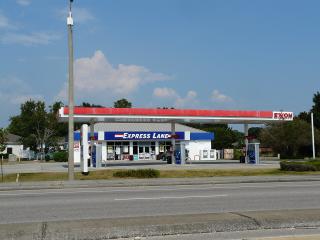
The first case on October 5, Suncor Energy (U.S.A.) Inc. v. County Commissioners of Boulder County, involves Boulder County and the City of Boulder suing Suncor Energy and ExxonMobil. The plaintiffs allege that fossil fuel emissions from these companies contributed to climate change and caused harm to local residents. The case survived a motion to dismiss in Boulder district court in June 2024, with the court rejecting arguments that state law is preempted by federal law, according to a statement from the City of Boulder.
The Supreme Court will decide whether federal law bars state law claims seeking relief for injuries allegedly caused by interstate and international greenhouse gas emissions, and whether federal courts have jurisdiction over such cases. Boulder City Manager Nuria Rivera-Vandermyde said the lawsuit aims to protect the community from climate impacts, calling the recent district court ruling “an important step forward.”
"This lawsuit is about protecting our community from the impacts of the climate crisis, and the significance of this ruling toward that goal cannot be understated."
— Nuria Rivera-Vandermyde, City of Boulder City Manager
Boulder County Commissioner Ashley Stolzmann added that the court’s decision “reaffirms our stance: we are suffering from the impacts and heavy costs of the climate crisis, right here, right now.”
Oil companies have argued that such claims should be handled under federal law, not state law. The Supreme Court’s ruling will determine whether similar lawsuits can proceed in state courts nationwide. Representatives for Suncor and ExxonMobil did not immediately respond to requests for comment.
Other Cases on the Docket
On October 5, the justices will also hear Johnson v. United States Congress, which will determine whether U.S. district courts have authority to hear challenges to federal laws affecting veterans’ benefits from the Department of Veterans Affairs.
Another environmental case, Department of the Air Force v. Prutehi Guahan, is set for October 7. The court will consider whether an environmental group can challenge the Air Force’s application to renew its permit to dispose of unexploded ordnance before Guam’s Environmental Protection Agency has acted, and whether the Air Force was required to submit an environmental impact statement to Guam before applying for the permit.
The court’s October calendar includes additional cases on digital privacy and fiduciary duties under federal retirement law, reflecting a broad range of issues for the new term.
Supreme Court Case Impacts
The Supreme Court’s decisions in these cases could set new precedents on the limits of federal and state authority in immigration, environmental regulation, and veterans’ benefits. The outcomes are likely to influence future litigation and policy debates across the country. The first oral arguments will begin on October 5, with the term’s initial cases drawing national attention.