A federal judge has ordered the reinstatement of national park signs that were removed under the Trump administration. These signs promoted progressive themes related to climate change, historical figures, and LGBTQ+ issues. Judge Angel Kelley, who was appointed by President Biden, mandated that these signs be restored by July 3, which is significant as it precedes the nation’s 250th anniversary.
Federal Judge Orders Restoration of National Park Signs Removed by Trump Administration
The ruling underscores a significant clash over how American history is represented in national parks. Critics argue that the previous administration's actions amounted to censorship of important narratives that reflect the complexities of American history. The signs in question included messages about the impacts of settlers on the environment and critiques of historical figures such as John Muir, who is often celebrated for his contributions to conservation.
Background and Reactions
In March 2025, Trump issued an executive order titled "Restoring Truth and Sanity to American History." This order aimed to remove what he described as "corrosive ideology" from national park materials. The order directed the Department of the Interior to ensure that park markers did not contain content that could be perceived as disparaging to Americans, whether past or present. This directive raised concerns among historians and advocates for historical accuracy.
Organizations such as the National Parks Conservation Association and the American Association for State and Local History filed a lawsuit against the Trump administration. They argued that the removals represented an "erasure of American history and science." Democracy Forward, a legal group aligned with progressive causes, represented these organizations in court, emphasizing the need to preserve diverse historical narratives.
Kelley’s ruling specifically mentioned signage that had been removed, including portions of exhibits at Grand Canyon National Park that portrayed settlers and cattle ranchers negatively. Other signs, such as one at Sunset Crater Volcano National Monument that featured a pride flag, were also cited as part of the materials to be reinstated. The inclusion of these signs reflects a broader commitment to representing marginalized voices in American history.
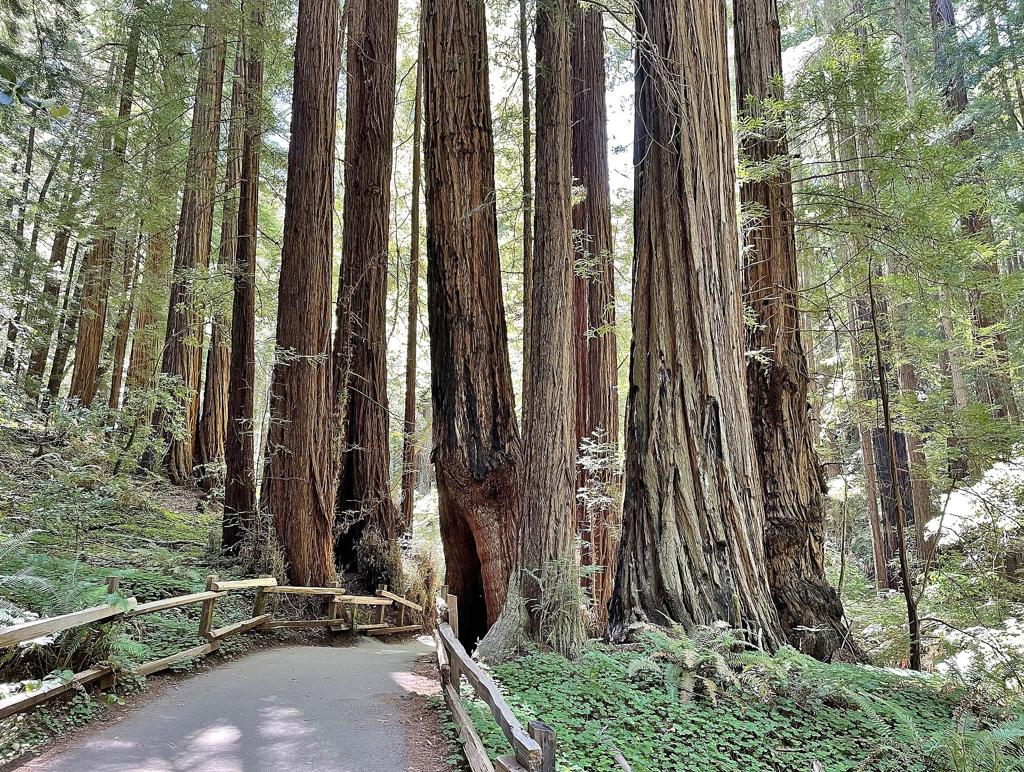
One notable sign at Muir Woods National Monument stated: "ALERT: HISTORY UNDER CONSTRUCTION," which highlighted the racist ideologies of individuals who contributed to the park's preservation. Kelley emphasized the importance of presenting a full narrative of American history, stating, "the National Parks preserve the multifaceted and multi-layered history of our Nation, including the good, the bad, and the ugly." This statement underscores the belief that history should not be sanitized but rather presented in its entirety.
Kelley criticized the Trump administration's approach, asserting that it amounted to "telling half-truths" under the guise of promoting American dignity. Her ruling prevents the administration from making further changes to interpretive materials at national parks, indicating a firm stance on the issue of historical representation.
In response to the ruling, the Department of the Interior labeled Kelley as a "liberal activist judge" and stated that it is reviewing options for appeal. Critics of the ruling argue that it reflects a broader trend of judicial activism that undermines the executive branch's authority. This tension highlights the ongoing struggle between different political ideologies regarding how history should be taught and represented in public spaces.
The debate over the representation of history in national parks is part of a larger national conversation about how institutions address complex historical narratives. Supporters of the Trump administration's policies argue that the removal of certain materials was necessary to ensure a more balanced portrayal of American history. In contrast, opponents contend that such actions risk sanitizing significant aspects of the nation’s past, thereby diminishing the educational value of national parks.
The ruling comes amid ongoing discussions about the role of federal institutions in shaping public understanding of history. While some view the reinstatement of these signs as a victory for progressive values, others express concern about the implications for historical accuracy and representation. This ongoing dialogue reflects the deep divisions within American society regarding how history is interpreted and taught.
As the July deadline approaches, the National Park Service faces the challenge of implementing the court's order while navigating the contentious political landscape surrounding these issues. The outcome may set a precedent for how historical narratives are curated in public spaces moving forward, influencing not only national parks but also other institutions that engage with American history.