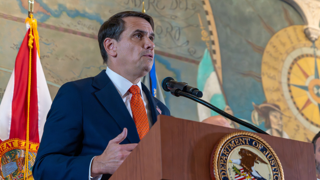
On June 8, the D.C. Bar elected Joshua Mogil as its new president. Mogil, a senior associate at WilmerHale, played a key role in legal actions against the Trump Administration, including a successful lawsuit that deemed one of its executive orders unconstitutional. His election comes amid heightened scrutiny of the legal profession's political leanings and ongoing legal battles involving former Trump officials.
The core tension lies in the perception that the legal profession, particularly in Washington, D.C., is dominated by partisan interests, with critics arguing that this undermines the integrity of the justice system. Mogil's campaign emphasized the need for the D.C. Bar to defend the rule of law against what he termed "unprecedented attacks" on the legal system.
Mogil's background includes significant experience in the Department of Justice (DOJ) during the Obama and Biden administrations, where he served as Deputy Chief of Staff to Deputy Attorney General Lisa Monaco. His association with figures like Sally Yates, who was dismissed by President Trump for refusing to defend his travel ban, further illustrates the partisan divide within the legal community.
Legal Profession's Political Landscape
The legal profession has been criticized for its overwhelming Democratic leanings, with political contributions from major law firms reportedly favoring Democrats by a ratio of 12 to 1. This political imbalance raises concerns about the fairness and impartiality of the legal system, particularly as it relates to the appointment of judges and regulators. Critics argue that the same profession that has pursued political opponents through disciplinary actions also controls the pathways to legal practice.
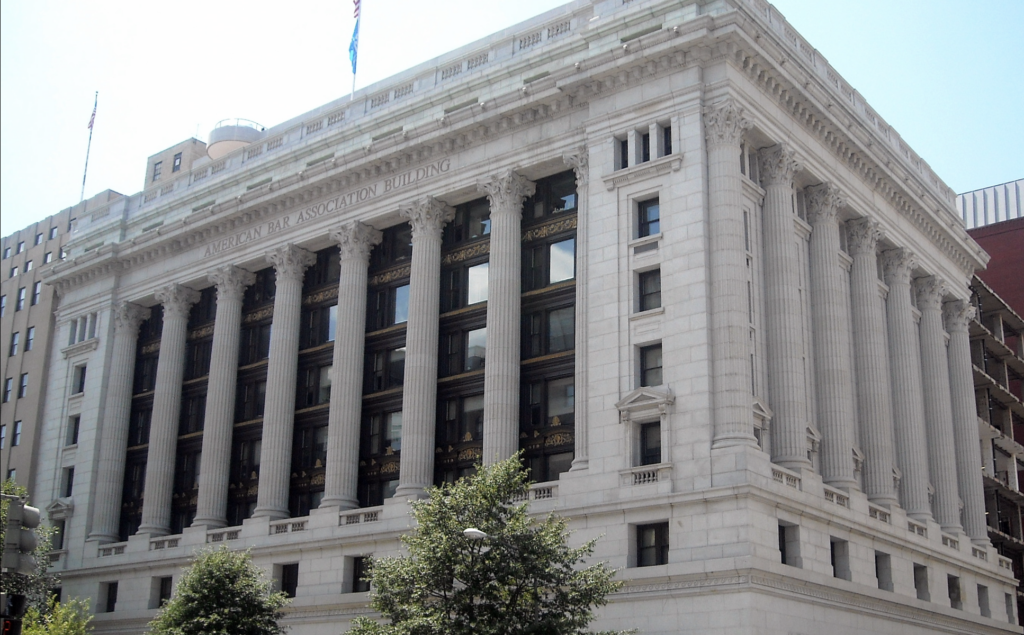
The American Bar Association (ABA) has been a focal point in this debate, as it is the sole federally recognized accreditor of law schools in the U.S. For years, the ABA required law schools to demonstrate a commitment to diversity and inclusion in their admissions processes. However, recent political shifts have led to a reevaluation of these standards, culminating in the suspension of the diversity mandate in May 2026.
An ABA council member acknowledged the change, stating, "I still personally agree with the diversity mandate and what it tries to achieve, but thought it appropriate to remove it anyway." This shift reflects broader political pressures and raises questions about the future of diversity initiatives in legal education.
Ongoing Legal Battles
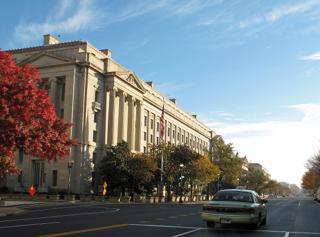
In a related development, the DOJ recently filed a lawsuit against the District of Columbia’s Board on Professional Responsibility, which recommended disbarring Jeff Clark, a former senior DOJ official. Clark faced scrutiny for a letter he drafted in 2020 but never sent. This lawsuit is part of a larger conflict over the disciplinary actions taken against lawyers associated with the Trump Administration, including John Eastman, who is also facing disbarment in California.
The 65 Project, launched after the 2020 election, aims to file bar complaints against lawyers connected to the Trump campaign. Critics argue that this initiative is designed to intimidate legal professionals and suppress dissenting voices within the legal community. Supporters of the initiative contend that it is necessary to hold lawyers accountable for their actions.
The Future of Legal Accreditation
The current administration's strategy includes proposals to dismantle the ABA’s monopoly on law school accreditation, allowing for competing accreditors. This approach aims to decouple bar admission from graduation from accredited schools and impose scrutiny on state bars that are perceived as operating with partisan bias. Proponents argue that these changes are essential to ensure a fairer legal system, while opponents warn that they could undermine the quality and integrity of legal education.
As the legal landscape continues to evolve, the implications of these developments remain significant. The ongoing battles over accreditation, disciplinary actions, and the political affiliations of legal professionals underscore the complexities of navigating a profession that many see as increasingly politicized. The outcome of these conflicts may shape the future of the legal profession and its role in American society.