Understanding the Supreme Court’s Impact on Law and Liberty
An in-depth explainer on the Supreme Court’s role in shaping constitutional law, key cases, and ongoing legal debates from a conservative viewpoint.
Additional reporting by April Clark, Oliver Brown
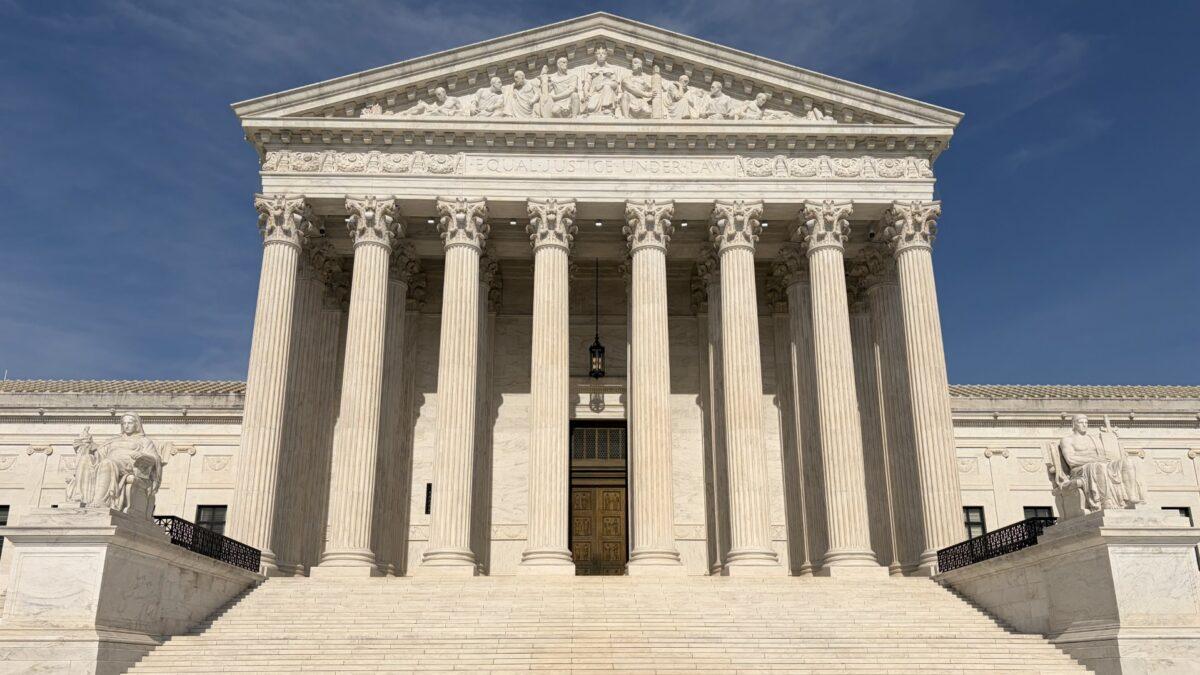
The Supreme Court stands as the highest judicial authority in the United States, wielding profound influence on the nation's legal and constitutional landscape. Its decisions ripple through federal and state law, affect individual liberties, and shape public policy across generations. Understanding the Court’s role, recent agendas, and its impact on conservative principles is vital for comprehending the ongoing legal and political battles shaping America.
In recent years, the Court has taken up cases that touch on foundational issues such as gun rights, free speech, immigration policy, and federal regulatory power, all of which lie at the center of passionate debates about the proper role of government and constitutional limits. This explainer unpacks how the Supreme Court functions, the significance of its docket, and the implications of its rulings for liberty and the rule of law.
The Supreme Court’s Constitutional Role and Structure
"The Supreme Court must remain the guardian of constitutional liberty, resisting political pressures that threaten its independence."
The U.S. Supreme Court is the ultimate judicial tribunal empowered by the Constitution to interpret the nation’s fundamental law. Created under Article III, the Court ensures that both federal and state statutes conform to constitutional mandates, addresses disputes between states, and resolves critical questions that affect every branch of government and every citizen. It stands apart from the political branches precisely because of its capacity to review and, when necessary, overturn legislation or executive actions that exceed constitutional authority. This institutional independence remains a pillar of the American system of checks and balances.
Comprised of nine Justices appointed for life, the Court’s structure is fundamental to preserving judicial independence. Life tenure insulates Justices from temporary political winds, enabling them to deliver rulings grounded in constitutional text and original intent rather than popular pressures. Though critics accuse the Court of activism, this lifetime appointment is essential to secure rulings that uphold law and order amidst shifting partisan majorities. The Court’s ability to resist fleeting political trends protects the rights of minorities and safeguards the Republic’s stability.
Conservative legal philosophy has long championed originalism and textualism as the proper tools for interpreting the Constitution. This approach scrutinizes the document’s language as understood at the time of its framing, rather than endorsing expansive constructions that create new rights or justify unexplained government authority. Justices like Clarence Thomas have become leading figures in advocating this restrained judicial methodology. Such disciplined interpretation promotes certainty in the law, limits bureaucratic overreach, and upholds enumerated individual liberties, including fundamental rights to bear arms and free speech.
This originalist framework is necessary to prevent unelected judges from exerting legislative or executive power under the guise of judicial review. The Supreme Court serves as the guardian of constitutional boundaries, ensuring that changes to fundamental law occur through democratic channels rather than judicial fiat. Recent appointments have reinforced this conservative commitment to textual fidelity, which reverberates through key decisions impacting national policy and individual freedoms.
Key Cases Shaping Gun Rights and Free Speech
One of the Supreme Court's defining responsibilities is interpreting the Second Amendment—the right to keep and bear arms. The Court's recent decision striking down Hawaii's restrictive concealed carry regulations link to Hawaii decision reaffirmed the constitutional protection of individual firearm possession against overly burdensome state laws. This ruling is emblematic of the Court’s readiness to safeguard fundamental rights from progressive regulatory encroachment, underscoring conservatives’ belief in minimal governmental interference in self-defense.
Beyond concealed carry, the Court’s upcoming review of assault weapons bans will have far-reaching implications. These cases test whether legislatures can impose broad prohibitions on firearms constitutionally protected under the Second Amendment. The outcome will either reinforce individual rights or permit expansive state power to regulate gun ownership, potentially reshaping the national debate over firearms and self-defense. Conservative advocates emphasize that protecting Second Amendment rights is crucial for maintaining personal liberty and deterring government tyranny.
The Court’s engagement extends into digital public forums, grappling with First Amendment complexities in the era of social media. Cases considering whether public officials can block constituents on platforms like Twitter and Facebook highlight tension between free speech and evolving modes of political communication. The digital age poses new challenges for constitutional jurisprudence as familiar rights must be applied to novel technological contexts.
From a conservative viewpoint, protecting robust free speech—especially political expression—is indispensable in a free society. Government attempts to silence voices or shield officials from accountability online raise serious concerns. The Court’s rulings on social media censorship will set precedents influencing the balance between free expression and government regulation for years to come. Its role in defending First Amendment liberties against government overreach and private censorship power remains a vital front for constitutional protection.
Immigration, Citizenship, and Judicial Integrity
Immigration is an arena where the Supreme Court’s constitutional interpretation profoundly influences national sovereignty and rule of law. The Court’s birthright citizenship rulings have sparked intense debate, as conservative Justices fault some judicial interpretations for straying from the 14th Amendment’s original meaning supreme court's birthright citizenship ruling. These discussions underscore tensions between textual fidelity and expansive readings that some describe as judicial overreach or 'feudal' legacy decisions justices criticize citizenship ruling.
Conservative legal circles emphasize that citizenship policies must strictly align with constitutional text and legislative intent. Improper judicial expansions risk undermining immigration enforcement and national identity, complicating efforts to secure borders and reform immigration law effectively. The Court’s rulings reverberate across the federal system, affecting Executive agency authority and state policies on immigration enforcement.
Another pressing issue is the behavior of lower federal courts in implementing Supreme Court rulings. Some Justices have openly criticized appellate courts for ignoring or delaying enforcement of the high court’s decisions critique of lower courts. This dynamic threatens the hierarchical coherence of the federal judiciary and could dilute the uniform application of constitutional law nationwide. Preserving respect for Supreme Court authority is essential to maintaining the rule of law and the clarity of federal jurisprudence.
The juxtaposition of immigration policy and judicial conduct illustrates the nexus of constitutional interpretation, national security, and government accountability. An independent Court that adheres strictly to the Constitution helps contain the executive branch’s administrative power and sustains public trust in constitutional governance.
Federal Regulatory Power and Judicial Limits
The Supreme Court is actively revisiting the scope of federal regulatory authority, particularly regarding powerful agencies such as the Consumer Financial Protection Bureau (CFPB). The legal doctrine of 'Chevron deference' has long allowed courts to defer to reasonable agency interpretations of ambiguous statutes, effectively granting regulators significant policy-making latitude. However, conservative legal theorists contend that Chevron deference undermines constitutional separation of powers by ceding legislative authority to unelected bureaucrats.
Reevaluating Chevron deference signals a potential paradigm shift in administrative law. The Court aims to restrain agency overreach, reassert the judiciary’s role as a check on the administrative state, and restore constitutional balance. Limiting agency discretion prevents regulatory expansion that often burdens businesses and infringes on economic freedom. This scrutiny aligns with conservative advocacy for a limited government framework, where federal agencies do not encroach on areas reserved for Congress or the states.
Moreover, constitutional challenges to the structure of independent agencies raise fundamental questions about accountability and legitimacy. Courts are examining whether uniquely empowered entities that operate with insulated leadership, like the CFPB, comport with the Constitution’s separation of powers. The outcomes will define whether America’s governance remains faithful to the founders' vision or succumbs to an unchecked administrative state dominating policy making by technocrats.
Such judicial intervention supports economic liberty and the proper functioning of democratic institutions by ensuring that regulatory powers are transparent, accountable, and rooted in statutory authority, not expanded by judicial or bureaucratic fiat.
Political Pressures and the Integrity of the Judiciary
The Supreme Court has increasingly become a focal point of partisan conflict, with Democratic calls for court expansion following conservative rulings threatening the judiciary's independence Democrats call for court expansion. These proposals risk turning the Court into a political instrument rather than a neutral interpreter of law, endangering the legitimacy and impartiality foundational to the rule of law.
Conservative leaders and legal scholars have formally warned against court-packing efforts, emphasizing that the durability of the judicial system depends on its insulation from political manipulation Grassley warns of court packing. Preserving judicial independence requires respecting the Court’s constitutional design and rejecting measures that undermine its credibility or turn it into a partisan battleground.
Beyond overt political maneuvering, the Court faces rising threats to Justices’ personal safety, exemplified by incidents such as the swatting attack at Justice Barrett’s residence that raised national alarm about Justices’ security security concerns at Justice Barrett’s residence. Such intimidation tactics pose risks not only to individuals but to the judiciary’s capacity to function free from coercion or fear.
The ability of the Supreme Court to operate independently and without external pressures is vital for maintaining public confidence in constitutional justice. The Court must remain the guardian of constitutional liberty, resisting political pressures that threaten its independence.
Balancing Conservative Values With Fair Judicial Review
While ideological battles often dominate discussions about the Supreme Court, the institution must balance legal consistency and credibility with principled conservatism. Critics on the liberal side accuse conservative Justices of delaying rulings or selectively hearing cases for political advantage accusations of delaying rulings. From a conservative perspective, judicial restraint and methodical case selection aim to prevent unwarranted judicial activism and uphold respect for precedent unless clear constitutional violations justify intervention.
Conservative jurisprudence prioritizes protecting enumerated rights, reinforcing federalism, and curbing governmental overreach—principles that serve the broader good by promoting individual freedom, economic prosperity, and balanced governance. This approach resists ideological expansions that could adversely affect constitutional order.
The legitimacy of the Supreme Court ultimately depends on unwavering adherence to constitutional text and original meaning, not on shifting political tides. Conservatives remain vigilant to ensure the Court fulfills its role as a protector of freedom and a check on the excesses of the other branches.
Navigating The Path Ahead For The Supreme Court
The Court’s upcoming docket includes consequential cases covering voting rights, parental authority, and immigration, issues that deeply affect America’s social and legal fabric major cases on voting and immigration. The Court faces the challenge of applying constitutional principles to complex, real-world governance questions in a politically polarized environment.
Transparency debates have arisen with legislative efforts to permit cameras in Supreme Court proceedings, aimed at enhancing public accessibility and understanding of judicial processes Senate bills on cameras in Supreme Court. While greater openness is generally positive, safeguards must guard against media sensationalism that could politicize or threaten judicial impartiality.
Americans must appreciate the Court’s unique constitutional role to grasp how its rulings affect fundamental freedoms and the balance of power. Its function in protecting Second Amendment rights, constraining federal bureaucracies, and preserving the rule of law remains central to American liberty.
To maintain a free society, citizens and leaders alike should advocate for a Supreme Court that respects constitutional limits and stands resilient against partisan pressures and administrative overreach, thereby protecting the nation’s founding vision for generations to come.
Frequently asked questions
What types of cases does the Supreme Court hear?
The Supreme Court reviews cases involving constitutional interpretation, federal law, disputes between states, and issues of national importance, often selecting those with broad legal impact.
How long do Supreme Court Justices serve?
Justices are appointed for life, serving until they choose to retire, resign, or pass away, ensuring judicial independence from political influence.
What is Chevron deference and why is it controversial?
Chevron deference is a legal doctrine where courts defer to a federal agency’s reasonable interpretation of ambiguous statutes, though critics argue it allows agencies to exceed congressional intent.
Why are recent Supreme Court rulings on gun rights significant?
They reaffirm the Second Amendment’s protection of individual firearm possession and restrict state governments from overly burdensome regulations.
How does the Supreme Court affect immigration policy?
Through rulings on questions like birthright citizenship and agency authority, the Court influences the enforcement and scope of immigration laws.
Why is judicial independence important?
An independent judiciary ensures fair application of the law, protects constitutional rights, and prevents government overreach and political manipulation.
What are the concerns about expanding the Supreme Court?
Expanding the Court risks politicizing it, undermining its legitimacy, and turning it into a tool for partisan advantage rather than an impartial arbiter.
Is the Supreme Court transparent in its proceedings?
Currently, the Court does not allow cameras in the courtroom, but legislation is under consideration to permit televised coverage for greater transparency.
Timeline of our coverage
- 2026-07-02 — Supreme Court's Birthright Citizenship Ruling Sparks Legal Reform Calls
- 2026-07-01 — Supreme Court to Hear Challenges to State Assault Weapons Bans
- 2026-06-30 — Supreme Court Rulings Spark Debate on Immigration Policy
- 2026-06-30 — Supreme Court Justices Criticize Citizenship Ruling as Feudal
- 2026-06-30 — Alaska Supreme Court Allows Controversial Candidate on Senate Primary Ballot
- 2026-06-30 — Homeland Security Secretary Defends TPS Amid Controversy
- 2026-06-29 — Supreme Court to Hear Major Cases on Voting Rights, Parental Authority, and Immigration
- 2026-06-26 — Democrats Call for Court Expansion After Supreme Court Ruling on TPS
- 2026-06-26 — Justices Thomas and Alito Critique Lower Courts for Ignoring Supreme Court Rulings
- 2026-06-25 — Supreme Court Strikes Down Hawaii's Concealed Carry Restrictions
- 2026-06-25 — Democrats Consider Supreme Court Expansion Amid 2026 Election Cycle
- 2026-06-23 — Ohio Man Petitions Supreme Court Over In-Home Prayer Group Restrictions
- 2026-06-19 — Senate Advances Bills to Allow Cameras in Supreme Court
- 2026-06-15 — Supreme Court Declines to Hear Case of Judge Facing Suspension
- 2026-06-11 — Grassley Warns of Court Packing Threats from Democrats
- 2026-06-10 — Supreme Court to Review Case Involving Federal Judge's Suspension
- 2026-06-10 — Sen. Warnock Criticizes Supreme Court Amid Rising Threats Against Justices
- 2026-06-03 — Supreme Court Upholds Alabama's Congressional Map Amid Controversy
- 2026-05-30 — Swatting Incident at Justice Barrett's Home Raises Concerns Over Safety
- 2026-05-27 — Justice Ketanji Brown Jackson Questions Lower Court Compliance with SCOTUS Orders
The Bottom Line
- The Supreme Court’s rulings directly affect core constitutional rights like free speech and gun ownership.
- Its decisions limit or expand federal power, impacting economic freedom and bureaucratic authority.
- The Court shapes immigration and citizenship policies foundational to national sovereignty.
- Political attempts to alter the Court threaten judicial independence and the rule of law.