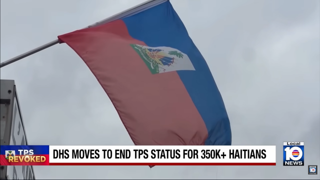
Homeland Security Secretary Markwayne Mullin defended the Trump administration's decision to end Temporary Protected Status (TPS) for Haitians during a recent interview, following a Supreme Court ruling that upheld this decision. Mullin stated that Haitians who have been living in the U.S. under TPS since its inception in 2010 could apply for permanent residency or a visa if they wish to remain legally in the country.
Explainer Understanding the Supreme Court’s Impact on Law and Liberty
The core tension lies in the implications of TPS, which critics argue has been exploited as a means for unauthorized immigrants to remain in the U.S. indefinitely, rather than serving its intended purpose of providing temporary refuge. Supporters of TPS contend that it is necessary due to ongoing instability in Haiti, while opponents assert that the program has become a loophole for permanent residency.
TPS was first granted to Haitians after a devastating earthquake in 2010, allowing them to live and work in the U.S. legally. However, the Biden administration's expansion of TPS in June 2024, which made an additional 300,000 Haitians eligible, has drawn scrutiny. Critics argue that many of these individuals entered the U.S. illegally, undermining the program's original intent.
Key Details
In his interview with CNN, Mullin emphasized that Haitians seeking to stay in the U.S. must follow the same legal processes as other immigrants. "You have to go through the regular steps that every other immigrant that wants to come to the country legally has to go through," he said. However, he did not address the fact that many Haitians granted TPS under the Biden administration had crossed the border illegally from Mexico.
Background and Reactions
The expansion of TPS has been characterized by some as a bureaucratic maneuver that allows foreign nationals to live in the U.S. indefinitely. Critics argue that this undermines federal immigration law, as individuals who lose their TPS status would become unauthorized immigrants subject to deportation.
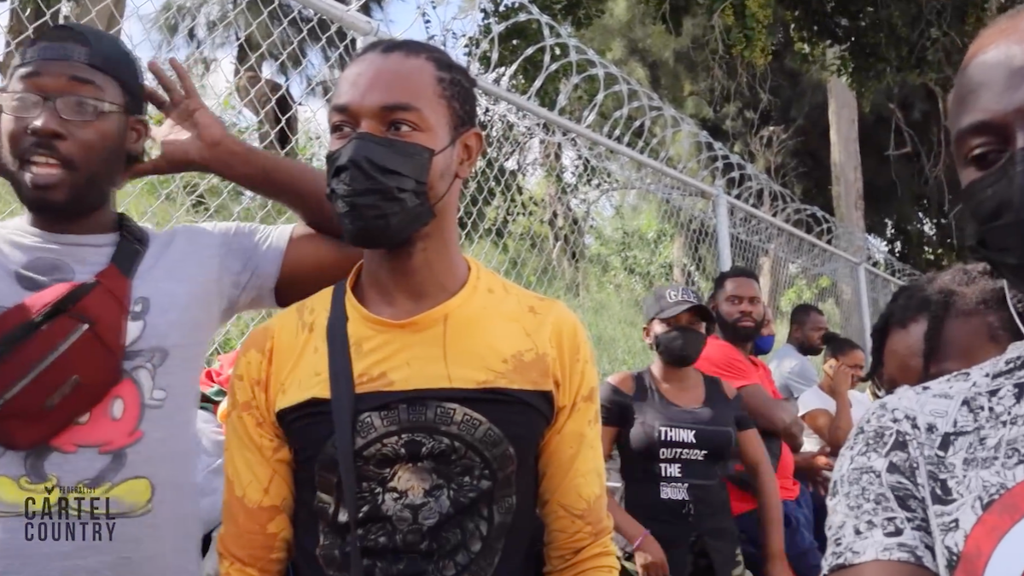
Many of the Haitians who became eligible for TPS in 2024 had previously lived in South American countries like Chile and Brazil, where they had legal status and work authorization. After the Biden administration took office, some of these individuals reportedly chose to migrate to the U.S. in search of better economic opportunities, discarding their legal documents from their host countries to claim asylum upon arrival.
"Overwhelmingly, their motivation for making the move from South America to the U.S. was economic," noted an immigration expert who requested anonymity. This perspective highlights the complex motivations behind migration patterns and the challenges in addressing them through current immigration policies.
The Supreme Court's recent ruling has intensified the debate surrounding TPS, with some arguing that the program should continue due to the ongoing challenges in Haiti. CNN's Jake Tapper, for instance, suggested that Haiti remains unsafe and that protections should be extended. However, critics argue that the TPS program has deviated from its original purpose of providing temporary refuge.
The TPS program was established in 1990 to protect citizens of designated countries experiencing unsafe conditions. Yet, many individuals have remained in the U.S. for years, raising questions about the program's effectiveness and intent.
Supporters of TPS argue that it is essential for humanitarian reasons, citing the dire conditions in Haiti. However, critics maintain that the program has been misused, allowing individuals to circumvent immigration laws.
As the Biden administration continues to face challenges related to immigration policy, the debate over TPS underscores the complexities of balancing humanitarian concerns with legal immigration processes. While some advocate for the continuation of TPS, others call for a reevaluation of the program to ensure it serves its intended purpose.
The ongoing discussions surrounding TPS reflect broader tensions in U.S. immigration policy, as officials and advocates navigate the competing interests of national security and humanitarian assistance. While the Supreme Court's ruling has provided clarity on the legality of ending TPS, the implications for those affected remain uncertain.