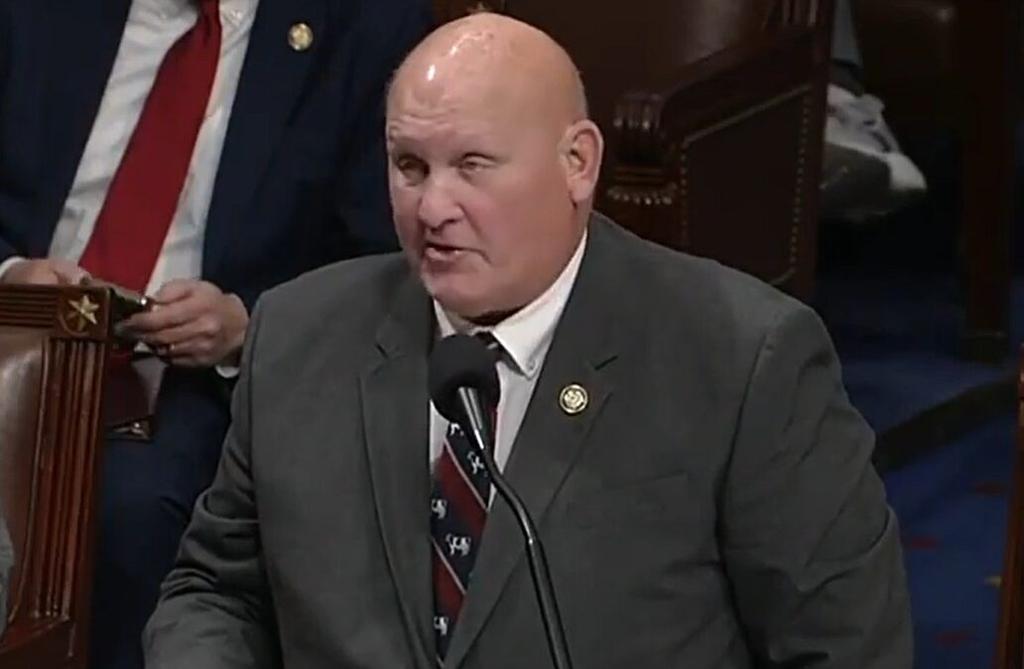
Forty-seven House Republicans have joined four Democrats in supporting a bipartisan bill that would grant legal status to unauthorized agricultural workers present in the U.S. as of May 31, 2026. The legislation, authored by Rep. Glenn Thompson, R-Penn., chairman of the House Agriculture Committee, would allow these workers to obtain H-2A farmworker visas, waiving certain immigration violations. It also shields employers who previously hired these workers from penalties, a provision designed to address both labor shortages and employer concerns about liability.
The measure highlights a longstanding tension in U.S. immigration and labor policy. Lawmakers are weighing the agricultural sector’s need for a reliable workforce against concerns over amnesty and the enforcement of immigration laws. The issue is particularly pressing as the U.S. agricultural industry faces persistent labor shortages, with many farm jobs going unfilled by U.S. citizens.
According to the U.S. Department of Agriculture, a significant share of crop workers lack work authorization. Between 2020 and 2022, 42 percent of crop farmworkers held no work authorization, while only 32 percent were U.S.-born and 7 percent were naturalized citizens. The Department of Labor estimates that about 327,000 unauthorized workers are employed in crop production alone, not including those working in dairy, poultry, or livestock sectors. These figures underscore the scale of the labor force affected by the proposed legislation and the challenges faced by agricultural employers.
Bill Details and Provisions
The bill would allow unauthorized farmworkers who have been employed in agriculture as of May 31, 2026, to apply for H-2A status, provided their only violation was working without authorization. This provision is intended to bring a large segment of the current agricultural workforce into legal status, addressing both worker vulnerability and employer uncertainty.
Employers who previously hired these workers would also be protected from penalties, a move supporters say is necessary to ensure the stability of the agricultural sector. The legislation extends the maximum duration of H-2A visas from one year to three years, reducing the frequency with which employers must first seek U.S. workers before hiring foreign labor. This change is designed to streamline the hiring process and provide greater certainty for both employers and workers.
A Dear Colleague letter from Rep. Thompson, cited by Politico, stated, “With the border now secure, it is time to address these shortcomings and provide fair and legal pathways for all of agriculture to obtain workers when they are unable to find U.S. citizens willing to perform these noble but arduous tasks.”
"With the border now secure, it is time to address these shortcomings and provide fair and legal pathways for all of agriculture to obtain workers when they are unable to find U.S. citizens willing to perform these noble but arduous tasks."
— Rep. Glenn Thompson, House Agriculture Committee chairman
The bill also designates H-2A workers as “essential,” ensuring that visa processing and certification continue during government shutdowns. According to the bill text, “all functions necessary for the processing, certification, and admission of H–2A workers shall be deemed essential to the protection of life and property and such functions shall continue uninterrupted for the duration of such lapse.” This provision aims to prevent disruptions in the agricultural labor supply during periods of federal funding uncertainty.
Industry Support and Political Response
The American Farm Bureau Federation has strongly endorsed the bill, emphasizing the need for a stable workforce and noting that H-2A workers are critical to the agricultural supply chain. The measure reflects longstanding requests from agricultural industry groups for expanded access to legal foreign labor, arguing that domestic workers are often unwilling to take on the physically demanding and seasonal nature of farm work.
While some Republicans have expressed concern that the proposal amounts to amnesty for unauthorized workers, supporters argue it is a pragmatic response to chronic labor shortages that threaten the viability of American agriculture. The debate reflects broader divisions within the Republican Party over immigration policy, with some members prioritizing border security and others focusing on the economic needs of their districts.
The White House has not commented on the bill and did not respond to a request for comment from The Federalist. President Donald Trump and senior officials, including Agriculture Secretary Brooke Rollins and former Labor Secretary Lori Chavez-DeRemer, have previously rejected claims that amnesty for unauthorized workers is under consideration. Their stance signals continued caution at the executive level, even as some lawmakers push for targeted reforms.
Lawmaker Support and Next Steps
In addition to Rep. Thompson, the bill’s supporters include Reps. Don Davis, D-N.C., Dan Newhouse, R-Wash., Josh Riley, D-N.Y., Michael Simpson, R-Idaho, Vicente Gonzalez, D-Texas, and dozens of other Republicans and Democrats from agricultural states. The full list of cosponsors reflects bipartisan backing, particularly from lawmakers representing districts with significant farm labor needs. This broad support suggests recognition across party lines of the unique challenges facing the agricultural workforce.
The bill’s progress will be closely watched as Congress continues to debate immigration and labor policy. Industry groups are urging swift passage, warning that continued labor shortages could disrupt food production and supply chains. Critics, however, caution that the measure could have unintended consequences, including encouraging further unauthorized migration or undermining existing immigration enforcement.
As the legislative process unfolds, the outcome will likely depend on ongoing negotiations between lawmakers, industry stakeholders, and the administration. The debate over the bill underscores the complexity of balancing economic needs with immigration enforcement, a challenge that has long shaped U.S. policy in this area.