Justices Clarence Thomas and Samuel Alito expressed strong disapproval on Tuesday after the Supreme Court declined to hear a significant case regarding the issuance of commercial driver’s licenses (CDLs) to unauthorized immigrants who cannot read or speak English. This decision has raised concerns about public safety and the legal responsibilities of states in issuing such licenses.
Explainer Public Safety and Crime Trends in America: Understanding the Landscape
The core issue revolves around Florida's attempt to challenge California and Washington for allegedly violating federal law by providing CDLs to individuals who do not meet basic English proficiency requirements. Florida Attorney General James Uthmeier argued that the state has no alternative legal recourse to address what he described as a serious constitutional issue.
In October 2025, Uthmeier filed a motion requesting the Supreme Court to allow Florida to pursue its lawsuit against the two states. He emphasized that the claims arise under the U.S. Constitution and that the matter is of significant importance, stating, "There is no alternative forum to provide adequate relief."
Constitutional Jurisdiction
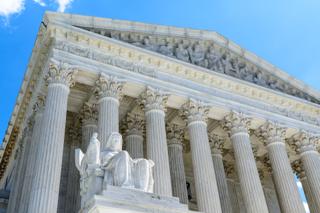
The justices’ dissent highlighted a constitutional debate regarding the Supreme Court's jurisdiction over disputes between states. Article III of the U.S. Constitution grants the Supreme Court original jurisdiction in cases involving states as parties. Despite this, seven justices opted not to take up the case, prompting Thomas to criticize the court for not fulfilling its constitutional duty.
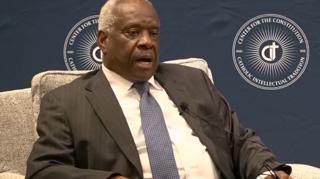
In his dissent, Thomas pointed to a troubling trend: the issuance of CDLs to non-English speaking unauthorized immigrants is allegedly linked to fatal accidents on the roads. He noted that the Department of Transportation reported that thirty people died in 17 semi-truck crashes caused by noncitizen commercial truck drivers in 2025, a figure he suggested could be an undercount.
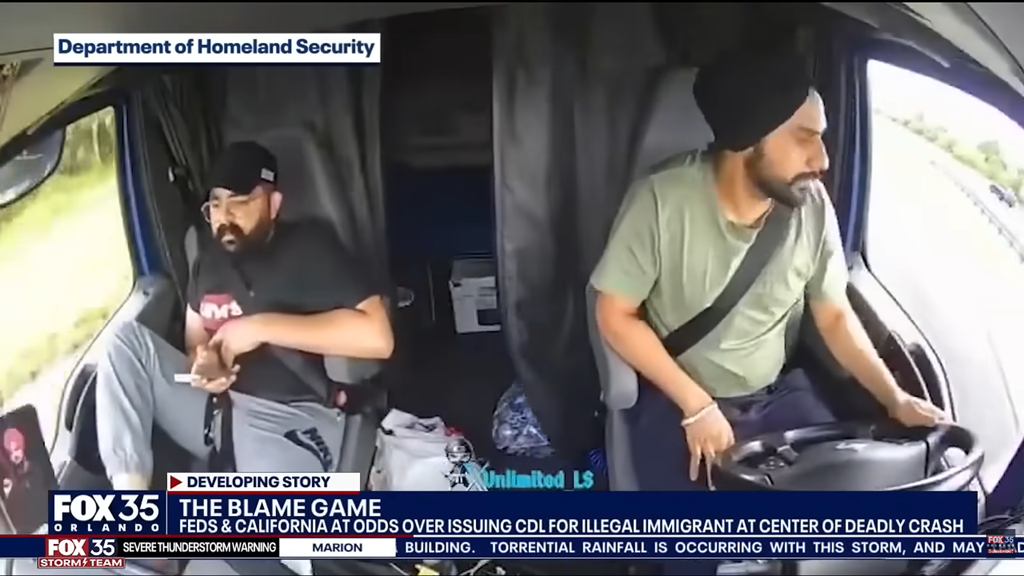
Thomas recounted a specific incident in Florida where an unauthorized immigrant, who was unable to read road signs, crashed a tractor-trailer into a minivan, resulting in three fatalities. He stated, "The practice of states issuing CDLs to illegals who aren’t proficient in English is causing fatal accidents on the road."
Dissenting Opinions
Both Thomas and Alito expressed their belief that the Supreme Court should have granted Florida's request to file its complaint. Thomas argued that the court's refusal to hear the case undermines the constitutional framework designed to resolve disputes between states. He stated, "This Court declines to even hear Florida’s claims, even though it has nowhere else to bring them."
The dissent also raised questions about the discretionary nature of the court's jurisdiction. Thomas noted that the Constitution grants the Supreme Court exclusive original jurisdiction over such cases, and he expressed doubt that the court has the discretion to refuse to hear them. He wrote, "The only statute addressing this Court’s jurisdiction over these kinds of cases nowhere contemplates a process of discretionary review."
Safety Concerns and Responses
The safety implications of issuing CDLs to unauthorized immigrants have sparked a national conversation. Critics argue that allowing individuals who cannot read or speak English to operate large commercial vehicles poses significant risks to public safety. However, supporters of the current policies have not publicly addressed these criticisms, and it remains unclear how state officials will respond to the concerns raised by Thomas and Alito.
The Supreme Court's decision not to hear Florida's case leaves unresolved questions about the legality of issuing CDLs to unauthorized immigrants and the potential consequences for public safety. As the debate continues, the implications of this case may influence future discussions on immigration policy and state responsibilities.
In summary, the Supreme Court's refusal to hear Florida's lawsuit against California and Washington has drawn sharp criticism from Justices Thomas and Alito, who argue that the decision neglects the court's constitutional responsibilities and raises serious safety concerns regarding unauthorized immigrants operating commercial vehicles.