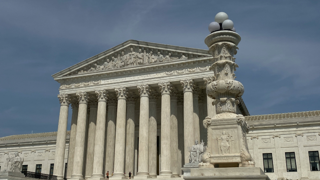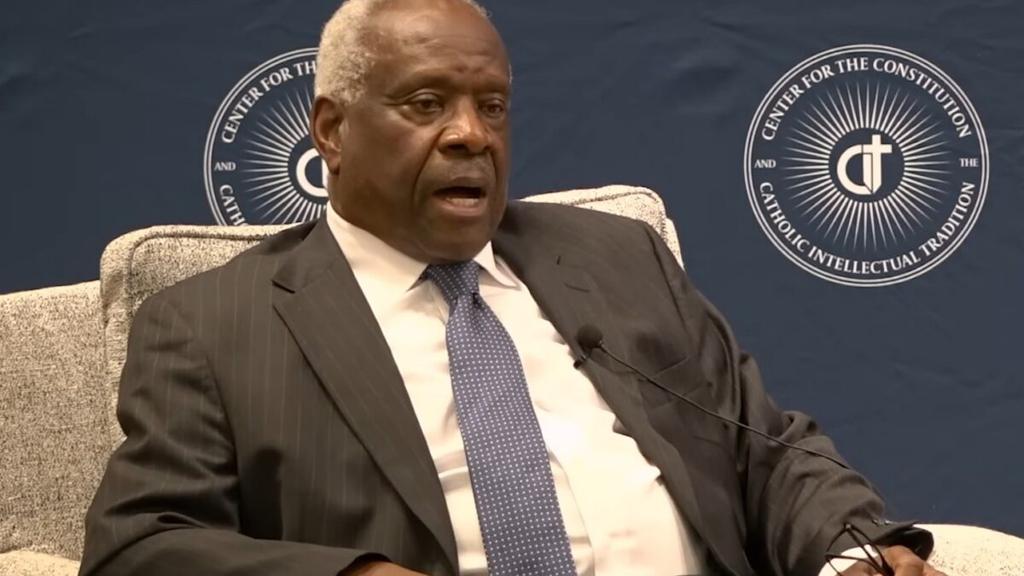
Supreme Court Justices Clarence Thomas and Samuel Alito issued strong dissents today, sharply criticizing Chief Justice John Roberts for a ruling that they argue imposes a feudal principle on American citizenship. The dissenters contend that the majority opinion allows any foreigner born on U.S. soil to claim citizenship, a notion they believe contradicts the foundational principles of American governance and the intent of the Founding Fathers.
Explainer Understanding the Supreme Court’s Impact on Law and Liberty
The core tension in this debate centers on the interpretation of citizenship rights in the United States. The dissenting justices assert that the ruling revives a historical concept that was explicitly rejected by the Founding Fathers. They argue that the Citizenship Clause of the Fourteenth Amendment was intended to establish a system of citizenship based on the consent of existing citizens rather than an automatic entitlement based solely on birthplace.
In his majority opinion, Roberts referenced the English common law principle of "jus soli," which grants citizenship based on the location of birth. Thomas, in his dissent, countered that this principle is rooted in a feudal system that the American Founders explicitly rejected. He stated, "The Court’s account is not historically accurate," emphasizing that the Founders believed citizenship should not be tied to a relationship of servitude to a sovereign.
Historical Context of Citizenship
The dissenting justices argue that the Founders envisioned a system where citizenship requires the consent of existing citizens, not merely the act of being born on American soil. Thomas noted that the English feudal system implied perpetual allegiance to a king, a concept that was fundamentally opposed to the ideals of American democracy. He quoted John Adams, who criticized the feudal theory for creating a state of servile dependence among the common people, suggesting that such a system is incompatible with the values of freedom and self-governance that the United States was founded upon.
Alito echoed these sentiments, cautioning against adopting a medieval rule without clear constitutional justification. He referred to the ruling as a form of "birthright subjecthood," suggesting that it undermines the principles of individual rights and consent that are central to American identity. Alito's dissent highlights the importance of ensuring that citizenship is not merely a birthright but a privilege that must be earned and respected by those who seek it.
Implications for Immigration Policy
The ruling has significant implications for ongoing debates about immigration and citizenship in the United States. Critics of the decision, including Thomas and Alito, argue that it allows unauthorized immigrants to gain citizenship through their children born in the U.S., a practice often referred to as "anchor babies." They assert that this practice undermines the rights of current citizens and dilutes the concept of citizenship as a privilege that requires consent from the existing citizenry. This concern raises questions about the integrity of citizenship and the potential for exploitation of the system.
Supporters of the ruling, however, argue that it aligns with established legal precedents and reflects a commitment to inclusivity. They contend that citizenship by birthright is a fundamental principle that has been upheld in American law for generations. As of now, officials supporting the majority opinion have not publicly responded to the dissenting views expressed by Thomas and Alito, leaving the debate open for further discussion.
The Role of the Judiciary
This case highlights the ongoing role of the judiciary in shaping immigration policy and citizenship rights in the United States. The dissenting opinions raise questions about the historical foundations of citizenship and the implications of adopting principles from foreign legal traditions. As the debate continues, the Supreme Court's interpretation of the Citizenship Clause may have lasting effects on how citizenship is defined and granted in America.
The dissenting justices emphasize that any changes to citizenship policy should reflect the values and consent of the American people, rather than reviving outdated feudal concepts. As the nation grapples with immigration reform, the implications of this ruling will likely remain a focal point of discussion among lawmakers, legal scholars, and the public alike. The conversation surrounding citizenship and its requirements is critical as it shapes the identity and future of the nation.