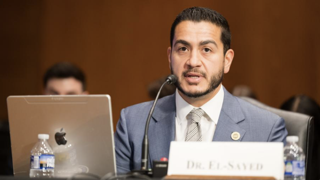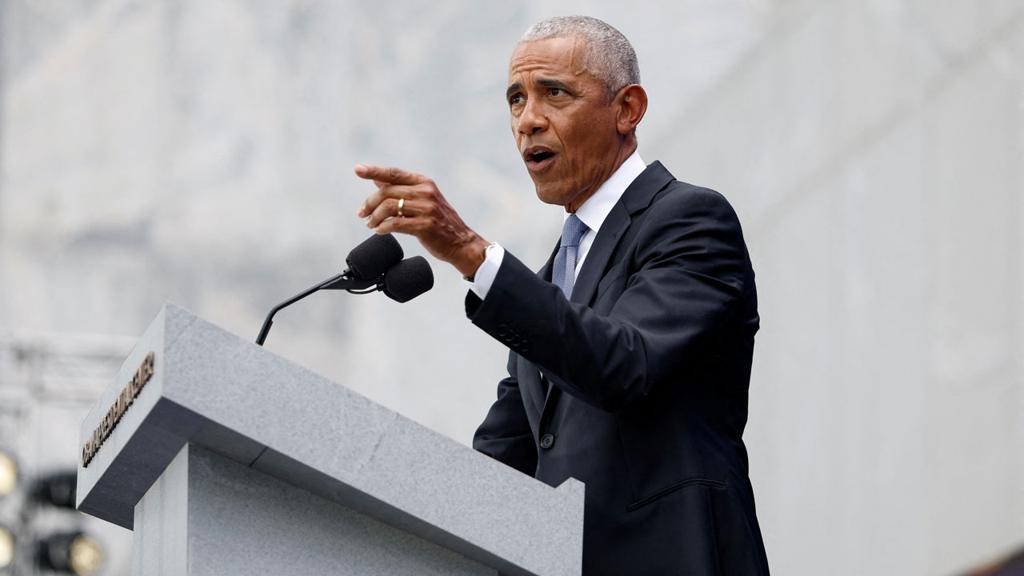
Former President Barack Obama is expected to campaign for Abdul El-Sayed, the Democratic nominee for Michigan’s U.S. Senate seat, following El-Sayed’s victory in the primary election. El-Sayed’s win came despite weak support among Black voters, a key Democratic constituency, and has set the stage for a closely watched general election in a state pivotal to Senate control.
El-Sayed, a former Detroit health director, secured the nomination with strong backing from younger, college-educated, and progressive voters. However, his coalition has raised questions about his ability to unite the broader Democratic base, particularly Black voters who make up a significant portion of the party’s support in Michigan. His primary opponent captured more than 60% of the Democratic vote in Detroit, Michigan’s largest majority-Black city, highlighting a potential vulnerability heading into November.
El-Sayed has publicly expressed hope that Obama will campaign for him, and the two spoke after the primary. Obama remains the Democratic Party’s most popular figure and is widely seen as crucial to mobilizing voters who did not back El-Sayed in the primary. His involvement is expected to focus on bridging divides within the party and boosting turnout among key groups.
El-Sayed’s Coalition and Challenges
El-Sayed’s support in the primary was concentrated among younger, progressive, and college-educated voters. His campaign attracted those seeking change and more left-leaning policies, but struggled to gain traction with Black voters, especially in Detroit. Analysts have pointed to El-Sayed’s past statements, such as his 2020 call to “defund the police,” as a factor in his lackluster performance among Black voters. Polls have shown that Black voters, particularly in urban areas, often favor maintaining or increasing police presence due to concerns about crime and public safety.
In addition, El-Sayed’s position on immigration has drawn criticism from some within the party. He has advocated for abolishing Immigration and Customs Enforcement (ICE), a stance that critics argue could negatively affect Black workers by increasing competition for low-skill jobs. The debate has referenced studies suggesting a connection between unauthorized immigration and lower wages or higher unemployment among Black workers in similar skill groups. These issues have contributed to skepticism among some Black voters about El-Sayed’s candidacy.
Obama’s Role and Policy Alignment
Obama is expected to play a central role in the general election campaign, aiming to persuade Black voters who rejected El-Sayed in the primary to support him in November. During a previous campaign stop in Pittsburgh, Obama addressed what he described as a lack of enthusiasm among Black men for Democratic candidates, stating, “You’re coming up with all kinds of reasons and excuses. I’ve got a problem with that.”
“You’re coming up with all kinds of reasons and excuses. I’ve got a problem with that.”
— Barack Obama, former President
Obama and El-Sayed share common ground on several policy issues. Both have voiced support for single-payer health care. Obama has previously said, “If I were starting a system from scratch, then I think that the idea of moving towards a single-payer system could very well make sense.” El-Sayed has campaigned on “Medicare for All,” aligning himself with the progressive wing of the party. Both have also criticized the wealthy for not paying what they consider a fair share in taxes and have spoken about racism as a persistent problem in the United States.
Obama’s popularity and ability to connect with a wide range of Democratic voters are seen as assets for El-Sayed as he seeks to broaden his appeal. The former president’s involvement is expected to focus on party unity and turnout, particularly among voters who may have reservations about El-Sayed’s positions or political style.
Differences on Israel and Party Dynamics
Despite their alignment on many domestic issues, El-Sayed and Obama differ on foreign policy, particularly regarding Israel. El-Sayed has used strong language to criticize the Israeli government, calling it “evil,” “bloodthirsty,” and a “rogue state.” He has also declined to directly answer whether Israel has a right to exist. Obama, in contrast, has repeatedly defended Israel’s legitimacy and security, although his administration’s relationship with Israeli Prime Minister Benjamin Netanyahu was often tense, especially over the Iran nuclear deal.
Obama has also demonstrated support for other progressive Democrats in the past, such as democratic socialist Zohran Mamdani, whom he called during Mamdani’s New York City mayoral campaign to offer praise and advice. This history suggests Obama is willing to work with a range of voices within the party, even those who may not align with him on every issue.
What’s at Stake in Michigan
Michigan is considered critical for Democratic hopes of retaining control of the U.S. Senate. The state has been a battleground in recent national elections, and the Senate race is expected to be closely contested. El-Sayed’s challenge will be to unite the party’s base, especially Black voters who were skeptical of his candidacy in the primary. Obama’s involvement is expected to focus on bridging that gap and making the case for party unity ahead of the general election.
The El-Sayed campaign did not immediately respond to requests for comment on how it plans to address concerns among Black voters. As the general election approaches, Democrats are watching closely to see whether Obama’s support can help El-Sayed consolidate the party’s diverse coalition and secure a victory in a key Senate race.