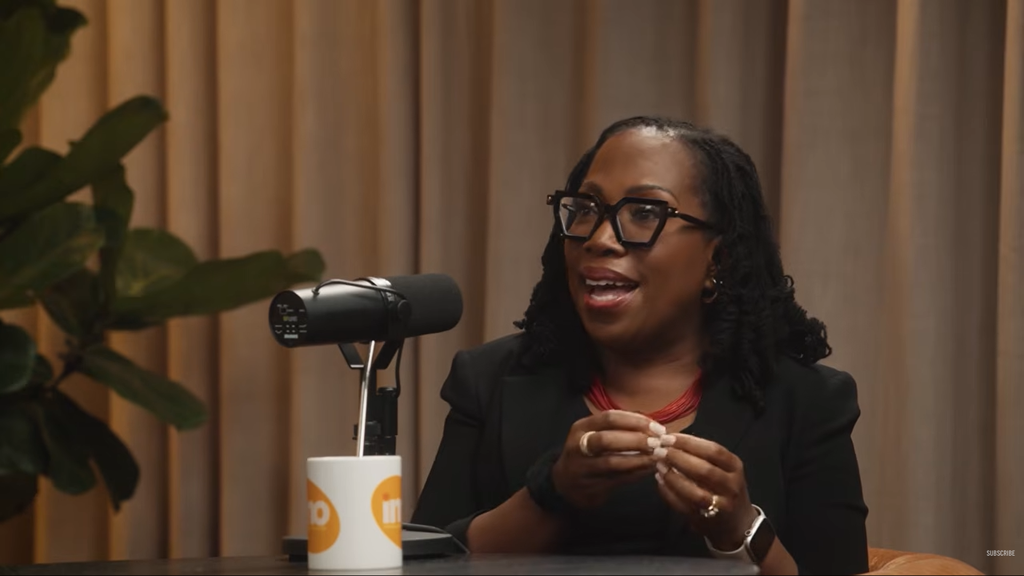
Justice Ketanji Brown Jackson has emerged as the most vocal member of the U.S. Supreme Court during oral arguments, according to a recent study reported by The New York Times. Since joining the bench, Jackson has spoken an average of 1,263 words per case, a figure that is more than double the average for her fellow justices. The analysis, which covered Supreme Court oral arguments from October 2005 through April 2026, found that Jackson’s word count surpasses that of any other justice in the last two decades.
Explainer Understanding the Supreme Court’s Impact on Law and Liberty
The study’s findings point to a notable shift in the dynamics of the court’s oral arguments. Jackson’s questioning style and the frequency of her participation have set her apart from both her current colleagues and former justices who have served on the court in recent years.
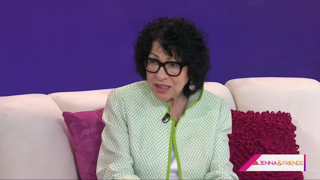
According to the report, Jackson was responsible for 23 percent of all words spoken by justices during arguments since she joined the court. The next closest comparison was retired Justice Stephen Breyer, who averaged 818 words per case. Among current justices, Justice Sonia Sotomayor ranks second, averaging 791 words per case since Jackson’s arrival.
Study Results and Comparisons
Researchers found that Jackson’s speaking time far exceeded that of her peers. The New York Times suggested several possible reasons for this, including the idea that Jackson, as a member of the court’s liberal minority, may use oral arguments to communicate directly with the public. The Supreme Court’s oral arguments are now live-streamed, providing justices with a broader audience beyond the courtroom.
The study noted, “Justice Jackson … has emerged as by far the most talkative justice, uttering an average of 1,263 words per case, more than double the justices’ average. According to the study, she speaks 23 percent of the words uttered by justices.” This quote, originally published by The New York Times, was cited in The Federalist’s coverage of the study.
Jackson’s predecessor and former boss, Stephen Breyer, was previously the most talkative justice, but Jackson has surpassed him by a significant margin. Justice Sotomayor, who has also been known for her active questioning, currently ranks second among sitting justices in terms of word count during oral arguments.
The study’s findings reflect broader changes in the court’s oral argument format. In recent years, the justices have shifted from a more freewheeling style to a structured approach, with each justice allotted time for questioning. This format, adopted during the COVID-19 pandemic, has remained in place, giving each justice the opportunity to speak at length. Jackson’s extensive participation may be partly a result of this change, as well as her own approach to questioning.
Jackson’s Approach in High-Profile Cases
Justice Jackson’s active participation has been particularly evident in several high-profile cases argued before the court. During the Trump v. Barbara hearing, which addressed the issue of birthplace citizenship, Jackson discussed the concept of legal allegiance by referencing a hypothetical scenario involving Japanese law. She explained, “I, a U.S. citizen am visiting Japan. And what it means is that if I steal someone’s wallet in Japan, the Japanese authorities can arrest me and prosecute me.”
She continued, “So there’s this relationship, even though I’m just a temporary traveler, I’m just on vacation in Japan, I’m still locally owing allegiance in that sense.”
In that case, Jackson’s interpretation ultimately prevailed. Chief Justice John Roberts and Justice Amy Coney Barrett joined her and the court’s liberal justices in codifying her view into the 14th Amendment. This outcome highlighted Jackson’s influence in shaping the court’s reasoning, even as a member of the minority.
Jackson has also drawn attention for her comments during the Louisiana v. Callais hearing, which focused on race and redistricting. In that case, she suggested that Black Americans are systemically “disabled” in accessing voting systems, emphasizing the ongoing challenges faced by minority voters. In the Trump v. Slaughter case, Jackson warned about the risks of replacing “nonpartisan experts” in the federal bureaucracy with political loyalists, raising concerns about the potential impact on the functioning of government agencies.
These examples illustrate Jackson’s willingness to engage deeply with the legal and social implications of the cases before the court. Her questioning often includes references to historical context, hypothetical scenarios, and broader constitutional principles.
Broader Context and Reactions
The study and Jackson’s speaking style have drawn criticism from some commentators. The Federalist, for example, characterized her approach as monopolizing speaking time and promoting “leftist talking points.” Critics argue that Jackson uses her time during oral arguments to advance partisan arguments rather than focusing solely on legal analysis.
However, supporters of Jackson have not publicly responded to the study’s findings or the criticism of her questioning style. Some legal observers note that justices have wide latitude in how they approach oral arguments, and that active questioning can serve to clarify legal issues, test the arguments of counsel, and signal concerns to colleagues and the public.
Jackson’s prominence in oral arguments comes at a time when the Supreme Court is navigating a series of contentious issues, including voting rights, executive power, and the role of government agencies. With a conservative supermajority on the bench, Jackson’s approach may serve as a way to highlight alternative perspectives and ensure that minority viewpoints are heard during public proceedings.
Observers are watching to see whether Jackson’s approach will influence the court’s public perception or internal dynamics in future terms. As the court continues to address high-profile cases, Jackson’s active participation is likely to remain a subject of attention and debate among legal analysts, commentators, and the public.