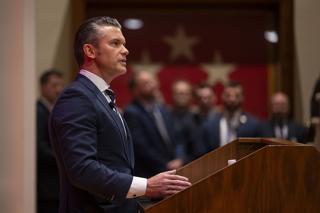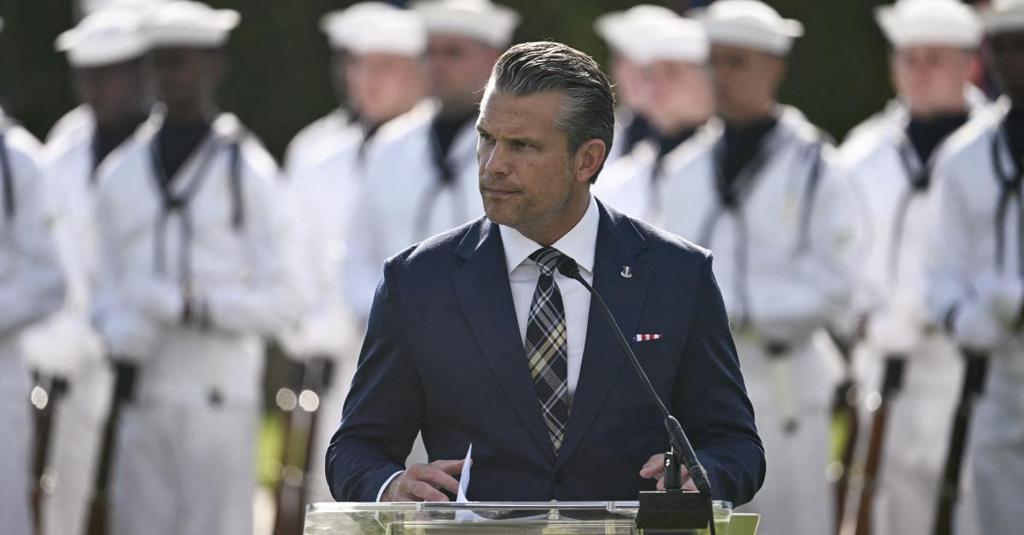
War Secretary Pete Hegseth has ordered a 20% reduction in the number of positions reserved for generals and admirals across the Army, Navy, Air Force, and joint military commands, according to memos circulated among Pentagon staff earlier this month and confirmed in Hegseth's State of the Force address on Wednesday.
Explainer Modern Military Challenges: Energy Innovation and Middle East Conflicts Explored
The move marks a significant escalation in efforts to streamline the military's senior leadership, doubling the scale of similar cuts Hegseth ordered last year. The reduction is part of a broader initiative to adapt the military's structure to changing operational demands and to improve efficiency at the highest levels of command.
The number of general officer positions in the U.S. military is set by federal law, but the Pentagon can leave positions unfilled by not nominating replacements to Congress, according to the Associated Press. This allows the Department of Defense to effectively reduce the number of active senior officers without requiring immediate changes to legislation.
Details of the Reduction
Hegseth's directive instructs the service branches to implement the 20% reduction by January 1. The cuts will affect all major branches as well as the military's joint pool of senior officers. Fox News, citing Pentagon memos, reported that the reductions are intended to be completed within the set timeline.
In his address at Quantico, Virginia, Hegseth identified the leadership cuts as a central element of his priorities for the coming year. The secretary framed the move as necessary to improve efficiency and adapt to evolving military needs. He emphasized that the reductions in leadership positions represent one of the major changes being implemented in the Department of Defense's ongoing efforts to modernize and streamline its command structure.
"The reductions in leadership positions is one of the major changes that were announced."
— Pete Hegseth, War Secretary
The Pentagon has not yet specified which general and admiral positions will be eliminated or left vacant. The process for determining which roles to cut is expected to involve close coordination between the Office of the Secretary of Defense and the leadership of each service branch. The goal is to ensure that operational effectiveness is maintained while reducing the overall number of senior officers.
Context and Broader Effort
The 20% reduction follows a previous round of cuts to general and flag officer positions ordered by Hegseth last year. The latest move doubles the overall scale of those reductions, signaling a continued push to trim the military's top ranks. The Pentagon has not publicly detailed which specific positions will be eliminated or left vacant.
Federal law determines the total number of general and flag officer billets, but the Defense Department can effectively reduce the number of active senior officers by choosing not to fill certain roles, as noted by the Associated Press. The memos circulated this month direct the branches to carry out the reductions without requiring immediate legislative changes.
This approach allows the Department of Defense to respond more quickly to changing needs and priorities, rather than waiting for Congress to amend statutory limits. It also reflects a broader trend in recent years toward reducing the size of the military's senior leadership as part of efforts to cut costs and improve organizational agility.
Reactions and Next Steps
Hegseth's announcement did not include detailed responses from military leadership or congressional defense committees. Supporters of the move argue that reducing senior officer positions will streamline decision-making and reduce bureaucracy, making the military more responsive and efficient. They contend that a leaner leadership structure can help eliminate redundancies and foster a more agile command environment.
Critics, however, have not yet issued formal statements addressing the potential impact on military readiness or leadership development. Some observers have raised concerns in the past that reducing the number of senior officers could affect mentorship opportunities for junior leaders and limit the pool of experienced commanders available for key assignments.
The Pentagon is expected to provide further details on implementation as the January 1 deadline approaches. Additional guidance may be issued to clarify how the reductions will be managed and to address any concerns raised by service members or lawmakers. The outcome of this initiative will likely be closely watched by both supporters and critics as the Department of Defense continues its efforts to adapt to new challenges and maintain a capable, effective force.