Judicial Watch, a conservative watchdog organization, has initiated legal action against the Central Intelligence Agency (CIA), seeking access to records concerning Dr. Anthony Fauci’s communications with intelligence officials about the origins of COVID-19. The lawsuit, filed in the U.S. District Court for the District of Columbia, aims to uncover whether Fauci, who served as director of the National Institute of Allergy and Infectious Diseases, influenced the intelligence community’s investigation into how the coronavirus pandemic began and which scientific experts were consulted during that process.
Explainer The Legal Battle Over Fauci and COVID-19 Accountability: Transparency and Consequences
The legal dispute follows the CIA’s lack of response to a Freedom of Information Act (FOIA) request submitted by Judicial Watch in May. The group is seeking documents that detail Fauci’s interactions with intelligence agencies, with a particular focus on issues such as gain-of-function research, the Wuhan Institute of Virology, and the procedures used to select scientific experts during the government’s investigation into the origins of COVID-19.
Allegations of Influence on Intelligence
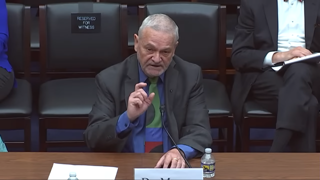
Judicial Watch’s request for records was prompted by testimony given before the Senate Homeland Security and Governmental Affairs Committee by James E. Erdman III, a Senior Operations Officer at the CIA. Erdman testified that Fauci used his position to shape the intelligence community’s analysis of the origins of COVID-19. According to Erdman, Fauci ensured that the intelligence community consulted with a “conflicted list of curated subject-matter experts, public health officials and scientists.”
"Fauci influenced the intelligence community's analytic process and COVID-19 origin’s findings by leveraging his position to ensure the community consulted with a conflicted list of curated subject-matter experts, public health officials and scientists."
— James E. Erdman III, CIA Senior Operations Officer
Judicial Watch’s lawsuit seeks to determine whether Fauci’s communications played a significant role in the selection of experts and the direction of the government’s investigation into the origins of the virus. The group alleges that the CIA has not fulfilled its legal obligations under the Freedom of Information Act by failing to provide the requested records or respond to the initial FOIA request.
Lawsuit Details and Broader Context
The legal action comes at a time of ongoing debate and scrutiny regarding the origins of COVID-19 and the transparency of government investigations into the pandemic. Judicial Watch’s FOIA request specifically targets records related to gain-of-function research—a type of research that involves altering organisms to enhance certain biological functions—and the Wuhan Institute of Virology, both of which have been central to public and political discussions about the possible origins of the virus.
The lawsuit also follows increased congressional interest in how the U.S. government has handled inquiries into the origins of COVID-19. Testimony from CIA officials, such as Erdman, has fueled calls from lawmakers and the public for more transparency about how expert opinions were solicited, evaluated, and incorporated into official government reports on the pandemic’s beginnings.
Judicial Watch argues that access to these records is essential for public understanding of the decision-making process behind the government’s COVID-19 origins investigation. The group contends that the selection of experts and the direction of the investigation could have been influenced by internal communications and coordination between public health officials and intelligence agencies.
Response and Next Steps
As of now, the CIA has not issued a public response to the lawsuit or to the specific allegations regarding Fauci’s alleged influence on the intelligence community’s analytic process. Judicial Watch has stated that it intends to pursue the matter in court in order to obtain the requested records and ensure compliance with federal transparency laws.
The outcome of the lawsuit could have implications for public access to information about the government’s investigation into the origins of COVID-19. If Judicial Watch prevails, additional details about Fauci’s role in the intelligence community’s analysis and the process for selecting scientific experts could become available to the public.
The case is being closely watched by lawmakers, public health experts, and advocacy groups interested in government transparency and accountability. The broader debate over the origins of COVID-19 and the transparency of official investigations is likely to continue as the lawsuit proceeds through the courts.