A Dearborn, Michigan resident has filed a federal lawsuit alleging that city officials, led by Mayor Abdullah Hammoud, have promoted Islam while discriminating against Christians and Jews, in violation of the Constitution’s establishment clause. The suit, brought by the American Freedom Law Center on behalf of Margot Cleveland, claims the city used public funds for Ramadan displays and events, but ignored requests for similar recognition of Christian and Jewish holidays.
Explainer Understanding the 2020 U.S. Election Controversies and Legal Battles
The case centers on whether Dearborn’s policies and actions amount to unconstitutional favoritism of one religion over others, a question with potential implications for other communities with growing Muslim populations. The lawsuit raises issues about the boundaries of religious accommodation in public spaces and the responsibilities of local governments to treat all faiths equally under the law.
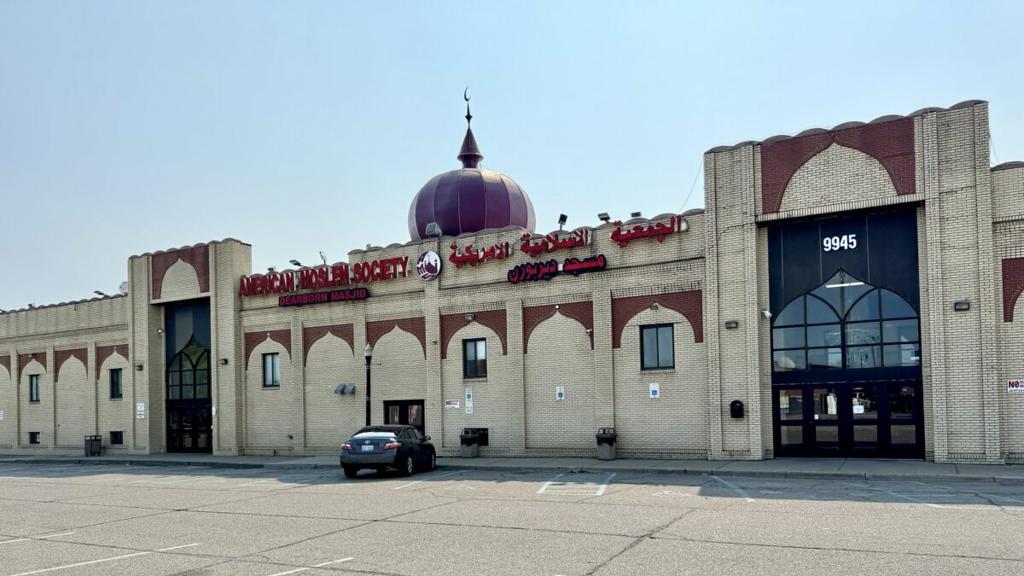
Dearborn, a Detroit suburb, has an Arab-majority population and a Muslim-led city government. The city has been at the center of several public disputes in recent years over religious expression and community representation. Cleveland alleges that her requests for Christian and Jewish holiday commemorations were dismissed, while city leaders celebrated Islamic events and tolerated rallies that glorified jihadist groups. The complaint also cites previous court findings of discrimination against non-Muslims by the city, suggesting a pattern of conduct rather than isolated incidents.
Allegations Against City Leadership
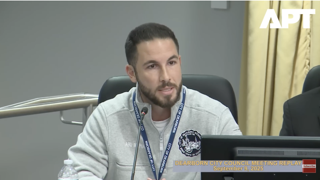
According to the lawsuit, Mayor Hammoud publicly berated Pastor Ted Barham, calling him a “bigot” and “Islamophobe” after Barham questioned the city’s decision to rename a street for Osama Siblani, a publisher known for supporting Hamas and Hezbollah. The suit claims city officials have fostered a hostile environment for non-Muslims, with Hammoud allegedly stating that Barham “is not welcome here.”
The complaint further alleges that Dearborn’s leaders have promoted Ramadan with city-sponsored displays and events, while failing to provide equal treatment for other faiths. Cleveland contends that these actions send a message that “Christians and Jews are not welcome … and are, indeed, second-class citizens.”
"Christians and Jews are not welcome … and are, indeed, second-class citizens."
— Margot Cleveland, plaintiff
The lawsuit also references public rallies in Dearborn where participants wore Hamas and Hezbollah symbols and chanted anti-American and anti-Israel slogans. The George Washington University’s Program on Extremism has identified Dearborn as a hub for U.S.-based Islamic centers disseminating Iranian regime ideology. These events, according to the complaint, contribute to an atmosphere where non-Muslims feel marginalized and unwelcome in public life.
Broader Context and Reactions
The legal action comes amid ongoing debates about religious accommodation and the role of Islamic institutions in American public life. The sources note a post-9/11 increase in Islamic immigration and growing political influence among American Muslims, with some advocacy groups and donors seeking greater public recognition of Islamic practices. This shift has led to more visible expressions of Islamic faith in public spaces, sometimes sparking controversy over perceived preferential treatment.
Polling cited in the complaint suggests that a significant portion of American Muslims support organizations such as the Muslim Brotherhood and Hamas, and that antisemitic attitudes are disproportionately high in this community. The lawsuit argues that these trends are reflected in Dearborn’s public life and city policies, raising concerns about the broader impact of religious and political affiliations on local governance.
Mayor Hammoud has previously dismissed concerns about mosque noise violations and has opposed legislation to ban sharia law in Michigan courts. He has also spoken at events organized by the Council on American-Islamic Relations (CAIR) and the Islamic Society of North America, both named as unindicted co-conspirators in a major terrorism financing case, according to prosecutors. These associations are cited in the lawsuit as evidence of the city’s alignment with certain Islamic organizations, further fueling the plaintiff’s claims of religious favoritism.
Community reactions to the lawsuit have been mixed. Some residents and advocacy groups argue that the city is simply reflecting the religious makeup of its population, while others believe that government resources should not be used to promote any faith. The case has drawn attention from national organizations concerned with religious liberty and the separation of church and state.
Next Steps and Legal Stakes
The American Freedom Law Center argues that a court victory could set a precedent for how municipalities treat religious minorities and address claims of religious favoritism. The outcome may influence similar disputes in other cities with growing Muslim populations, as courts clarify the limits of religious accommodation and the requirements of the establishment clause.
Dearborn officials have not publicly responded to the lawsuit’s allegations. The court’s decision will determine whether the city’s actions violate constitutional protections for religious equality. If the court finds in favor of the plaintiff, Dearborn could be required to change its policies regarding public religious displays and events, and potentially offer equal recognition to all faiths in city-sponsored activities.
The case is expected to proceed in federal court, with both sides likely to present evidence on the city’s practices, the intent behind public displays, and the impact on residents of different faiths. Legal experts note that the outcome could have far-reaching consequences for the interpretation of the First Amendment in diverse American communities.