Michigan Elections Integrity: Navigating Fraud Claims and Legal Challenges
Explore Michigan's election integrity challenges, investigations into voter fraud, and the legal battles shaping the state's electoral process from a conservative perspective.
Additional reporting by Liam Walker, Samira Brooks
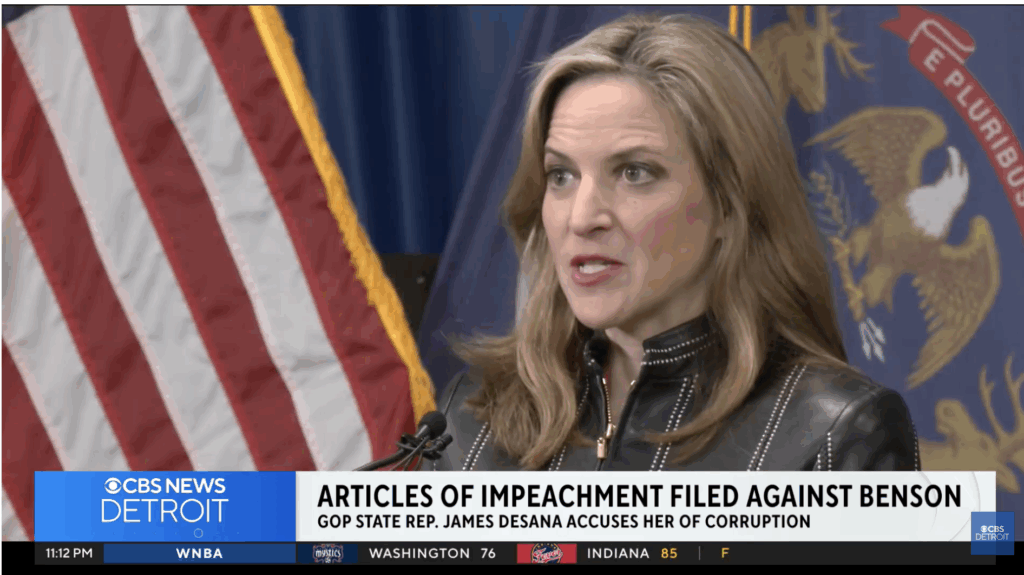
Michigan has become a focal point in the ongoing national conversation about election integrity and fraud allegations. The state’s pivotal role in recent federal elections, including narrow margins influencing presidential outcomes, has thrust it under intense scrutiny by policymakers, political operatives, and legal experts alike. While population centers like Detroit and pivotal swing counties garner headlines, the broader context reveals a complex legal and political chessboard where election laws and processes are constantly evolving, often amid ideological contestation and public skepticism.
As accusations of voter fraud swirl in certain corners, Michigan simultaneously faces a wave of legislative efforts, court battles, and investigative initiatives designed to both safeguard and scrutinize its voting systems. Understanding these developments requires a deep dive into the factual investigations, legal rulings, and political controversies that shape the state’s electoral landscape today. For conservatives, these developments are not merely academic; they touch on fundamental concerns over safeguarding the constitutional right to free and fair elections while ensuring the integrity that underpins voter confidence.
Investigation and Allegations of Voter Fraud
"Election integrity in Michigan demands rigorous, fact-based reforms that secure our votes without sacrificing lawful participation."
In the aftermath of the 2020 general election, Michigan officials uncovered thousands of suspicious voter registration applications, particularly in Muskegon County, where election workers flagged between 8,000 and 10,000 registrations submitted by GBI Strategies, a Democratic-aligned contractor responsible for voter registration drives. This volume of irregular registrations immediately raised red flags concerning the accuracy and oversight of voter rolls, fueling broader debates about how registration processes can be exploited or simply mishandled.
The ensuing FBI investigation tested a sample of these suspect applications, finding that a significant majority—91 out of 107—were unverifiable, lacking valid addresses or matching records. Such a high proportion of questionable registrations made clear the systemic weaknesses in certain voter registration methods and the importance of meticulous verification. Crucially, however, Michigan’s election system prevented these applications from converting into actual ballots cast, thereby avoiding direct impacts on the election’s official results. Nonetheless, the investigation exposed critical gaps that deserved legislative and administrative attention.
This episode has been emblematic of a broader conservative concern: while expanding voter access is vital, it cannot come at the expense of election integrity. The balance between facilitating voter participation and preventing fraud requires stringent safeguards. Michigan’s situation demonstrates the consequences when the system’s checks are only partially effective—as well as the perils of unchecked third-party registration efforts without adequate oversight.
Legal Landscape and Judicial Oversight
Michigan’s election challenges intersect with significant judicial developments that have profound implications for electoral administration. The Supreme Court’s ruling in Moore v. Harper affirmed state courts’ authority to review and supervise state legislatures’ election-related actions, particularly concerning federal elections. This decision is pivotal because it reinforces checks and balances within state governments, ensuring that election laws and policies meet constitutional standards rather than being unchecked political tools.
In Michigan, the Republican-led Senate Oversight Committee undertook an exhaustive investigation into claims of widespread voter fraud following the 2020 presidential election. Their findings, which publicly refuted the presence of systemic fraud, highlight a critical point for conservatives: abuse and errors exist, but allegations must rest on verifiable facts rather than conjecture or partisan narratives. This underscores the necessity of rigorous fact-finding to preserve electoral legitimacy and prevent politically motivated disinformation campaigns.
Meanwhile, legal battles continue to challenge how Michigan manages its voter rolls and ballot security measures. For instance, the Supreme Court recently declined to review a lawsuit calling into question Michigan’s voter roll maintenance practices, a move that indicates judicial restraint but keeps open the possibility of further scrutiny in lower courts. Such cases reflect politically charged conflicts over interpreting election laws—conflicts that must be resolved through transparent processes respecting both legal standards and voter rights.
Election Security Measures and Legislative Action
Recognizing vulnerabilities, Michigan has moved to enact legislation aimed at bolstering election security. Notably, lawmakers have advanced bills to ban foreign funding of elections to counteract external influences, an issue that resonates deeply with conservatives concerned about safeguarding American sovereignty. Such measures represent proactive steps to eliminate avenues for adversarial interference in the electoral process.
In addition, Michigan faces ongoing pressure to enhance transparency and security around mail-in and absentee ballot processes. Despite mail-in voting being a legitimate option, incidents such as ballot stuffing caught on camera in certain locales have soured public trust. Though these incidents are rare, their symbolic weight justifies stricter controls, including secure drop boxes, video surveillance, and robust post-election audits — measures which conservatives argue are necessary to maintain election integrity without disenfranchising voters.
Legislative debates have also touched on ranked-choice voting, with Michigan’s tentative adoption paused amid opposition. Many conservatives view ranked-choice voting as needlessly complicating elections, impacting the clarity of majority rule and enabling outcomes that may not reflect genuine voter preferences. This controversy mirrors broader ideological divides about election complexity and transparency.
Political Controversies and Cultural Implications in Michigan Elections
Election integrity disputes in Michigan do not occur in a vacuum; they intertwine with broader political and cultural controversies. For example, lawsuits filed in Dearborn allege favoritism by city officials toward certain religious communities, raising questions about fairness, inclusion, and political influence in local governance. These cases illuminate the delicate balance between community identity politics and the impartial administration of electoral processes.
Compounding distrust, high-profile accusations like those against Flint Councilman Leon El-Alamin, who was charged with election fraud during a re-election bid, draw national attention. Though isolated, such cases amplify conservative concerns about corruption and ethical lapses in urban political strongholds, reinforcing calls for heightened accountability and transparency.
Meanwhile, conservative small-town Michigan remains a bastion for traditional American values and support for election integrity reforms. These communities often feel marginalized by urban political agendas and see themselves as defenders of free, fair, and transparent elections, providing a grassroots counterweight to broader progressive trends.
Concerns and Conservative Perspectives On Michigan’s Electoral Future
For conservatives, Michigan’s electoral future presents both challenges and opportunities. The state’s history of contested elections and voter fraud allegations demands relentless vigilance and sensible reforms to protect elections from abuse while respecting lawful voter participation. Conservatives emphasize policies that prevent fraud but avoid disenfranchisement, advocating for evidence-based measures rather than partisan accusations.
There is skepticism about recent administrative decisions viewed as restrictive or nontransparent, such as changes in ballot drop box rules, which critics say may undermine public confidence rather than enhance security. Lawsuits accusing state officials of violating election laws reflect this persistent mistrust and political friction in the administration of elections.
Yet, many conservatives acknowledge that Michigan has not substantiated claims of broad systemic fraud, highlighting the importance of maintaining a balanced perspective. This nuanced stance urges reforms founded on facts and practical concerns, reinforcing election security while preserving access. Federal oversight also plays a role, with the Michigan GOP urging the Department of Justice to actively monitor upcoming elections to deter unlawful interference and uphold voter rights.
Together, these dynamics ensure that election integrity remains a top priority in Michigan, offering a model for conservative-led reforms in other battleground states.
Path Forward: Maintaining Integrity Amid Political Pressure
Looking ahead, Michigan faces multifaceted pressures—legislative reforms, ongoing litigation, and grassroots activism—that will shape its election policies. Election officials and policymakers must adhere to transparent, lawful procedures while swiftly addressing any vulnerabilities identified through investigations or whistleblower revelations. This requires a strong institutional framework that enforces accountability and resists political manipulation.
Michigan’s situation serves as a microcosm of conservative concerns nationwide about urban political machines, administrative discretion, and potential abuse in election administration. Vigorous enforcement of election laws and clear accountability measures for election officials will be essential to restore and maintain public trust.
Enhancing confidence also demands confronting misrepresentations from both sides. Conservatives can champion reforms grounded in verified investigations — like the FBI’s findings on questionable voter registrations — to advocate for secure elections without disenfranchisement. This pragmatic approach counters extreme narratives while reinforcing electoral legitimacy.
Opponents often argue reforms risk suppressing voter participation; however, carefully calibrated policies can simultaneously protect electoral integrity and voters’ rights. If carried out responsibly, Michigan’s reforms may serve as a blueprint for securing American elections against future challenges.
Our extensive reporting includes valuable insights on Michigan’s election fraud investigations and the state legislative election bills, which help unpack these complex issues.
As Michigan continues to navigate the challenging terrain of election law and politics, the lessons drawn from investigations, court rulings, and political dynamics reaffirm the need for strong, transparent, and enforceable election safeguards that align with conservative principles of lawful participation and government accountability.
Frequently asked questions
Did the suspicious voter registration applications in Michigan affect the 2020 election results?
While many registrations were unverifiable, investigations concluded the applications did not result in any fraudulent votes, preventing impact on the election outcome.
What was the significance of the Supreme Court ruling in Moore v. Harper for Michigan?
The ruling affirmed state courts' authority to oversee and review state legislatures’ decisions concerning federal election processes, reinforcing judicial checks on electoral administration.
Are there ongoing legal challenges related to Michigan’s voter rolls?
Yes, several lawsuits, including petitions to the Supreme Court, continue to address questions about voter roll maintenance and election law enforcement in Michigan.
What legislative measures has Michigan implemented to improve election security?
Michigan has advanced bills aimed at banning foreign money in elections and is addressing mail-in voting security concerns through stronger safeguards and oversight.
How have election fraud allegations against local politicians affected confidence in Michigan elections?
Incidents involving local officials accused of fraud have intensified calls for transparency and stricter compliance with election laws, though broader evidence of systemic fraud remains lacking.
Is ranked-choice voting currently used in Michigan elections?
A ballot initiative to adopt ranked-choice voting has been paused amid political opposition, delaying its implementation statewide.
Timeline of our coverage
- 2026-10-01 — Dearborn Lawsuit Alleges Religious Discrimination by City Officials
- 2026-09-17 — Dearborn Faces Lawsuit Alleging Favoritism Toward Islam in City Holiday Displays
- 2026-09-14 — Michigan Requires Online Vaccine Education for Waiver Requests, Raising Parental Rights Concerns
- 2026-07-31 — Michigan Agrees to End Enforcement of Talk Therapy Ban After Supreme Court Ruling
- 2026-07-24 — Flint Councilman Leon El-Alamin Charged With Election Fraud Amid Re-Election Bid
- 2026-07-17 — Declassified Documents Reveal FBI Probe Into Michigan Voter Registration Fraud
- 2026-03-04 — Supreme Court Declines to Review Michigan Voter Roll Lawsuit
- 2026-02-06 — Michigan and Alabama Advance Bills to Ban Foreign Money in Elections
- 2025-12-22 — Michigan Ranked-Choice Voting Initiative Paused Amid Opposition
- 2025-12-19 — Michigan Senate Candidate Mallory McMorrow Comments on Justices Barrett and Kavanaugh
- 2025-11-21 — Exclusive: Lawsuit Claims Leftist Benson Is Breaking Election Law
- 2025-11-14 — Michigan GOP Urges DOJ To Monitor 2026 Election
- 2025-11-12 — After MI Terror Threat, Dearborn Councilman Won't Criticize Hamas
- 2025-10-09 — Supreme Court Petition Challenges Michigan's Voter Roll Maintenance
- 2025-09-10 — Michigan Judge Dismisses Charges Against 2020 Trump Electors
- 2025-09-08 — In Small-Town Michigan, True American Values Are Strong
- 2025-08-19 — Concerns Raised Over Mail-In Voting Security Amid Michigan Investigation
- 2025-08-19 — Drop Box Camera Catches Ballot Stuffing In Michigan Town
The Bottom Line
- Michigan's pivotal electoral role influences national election security standards and outcomes.
- Ensuring voter registration accuracy protects the legitimacy of election results.
- Judicial oversight affirms constitutional checks and balances in election administration.
- Legislative reforms can combat foreign influence and strengthen public confidence.


Sources
- FEC
- Api.politifact.com: Suspected Voter Registration Irregularities In Mic
- Michigannewssource.com: Fbi Found Most Sampled Michigan Voter Registration Applications Couldnt Be Verified Newly Declassified Files Show
- Leadstories.com: Fact Check Michigan Police Do Not Find Tens Of Thousands Of Fake Voter Registration Applications
- Electionfairnessinstitute.org: Michigan Police Memos Raised Concern About Possible Nationwide Voter Registration Fraud Scheme
- Apnews.com: 46caa9f4ac6768f373d69c9a5e944570
- Apnews.com: A649f163fbf77f3cf17427f9859b4c2a
- Michiganelectionlaw.com: Supreme Court Rules Elections Abide State Laws