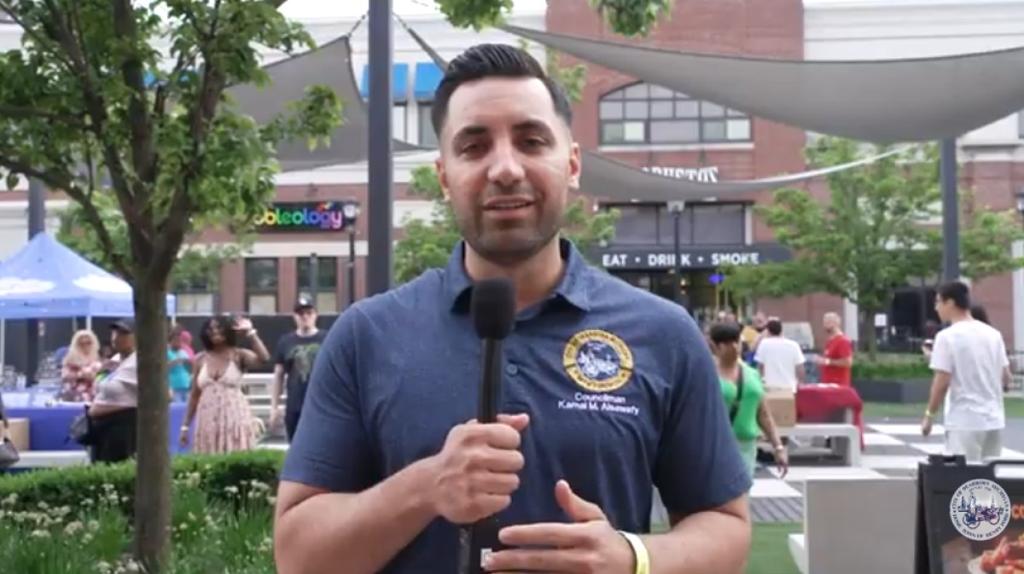
In the wake of a foiled terrorism plot in Dearborn, Michigan, City Councilman Kamal Alsawafy declined to label Hezbollah and Hamas as terrorist organizations during a recent voter interaction. The question arose shortly after the FBI conducted raids in the area, thwarting an alleged plan involving local residents targeting Halloween festivities.
Explainer Election Integrity: Protecting Voter Rights in Modern America
Hezbollah, known for its historical attacks including the 1983 U.S. Embassy bombing in Beirut, and Hamas, which has been implicated in numerous acts of violence against civilians, have both been designated as terrorist organizations by the U.S. government. Despite this, Alsawafy refrained from providing a direct answer when asked about their status, instead emphasizing his military service and suggesting that the question was a loyalty test.
The reluctance to condemn these groups comes amid heightened concerns following the arrest of three Dearborn residents linked to a conspiracy to attack LGBTQ venues and Halloween celebrations. Critics argue that local leaders should unequivocally denounce organizations that target civilians, particularly in light of recent events.
At a recent City Council meeting, a resident raised objections to renaming a street after Osama Siblani, citing his praise for Hezbollah and Hamas. Mayor Abdullah Hammoud responded by labeling the resident an 'Islamophobe' and expressing that such views were unwelcome in Dearborn. This incident reflects a broader tension in the community regarding the acknowledgment of extremist ideologies.
The mayor's remarks and Alsawafy's evasiveness have sparked frustration among constituents who feel that their leaders are failing to address the dangers posed by these groups. The community's response to the arrests and the subsequent political discourse raises questions about the values being instilled in local youth.
Margot Cleveland, an investigative journalist, criticized the lack of clear condemnation from elected officials, expressing concern over the implications for community safety and moral clarity. She noted that if a decorated military veteran like Alsawafy cannot openly denounce terrorism, it may discourage others from speaking out against such ideologies.
As the city grapples with its identity and the influence of extremist views, the need for strong leadership and clear messaging becomes increasingly urgent. The events in Dearborn serve as a reminder of the complexities surrounding discussions of terrorism and the responsibilities of public officials to address these issues head-on.