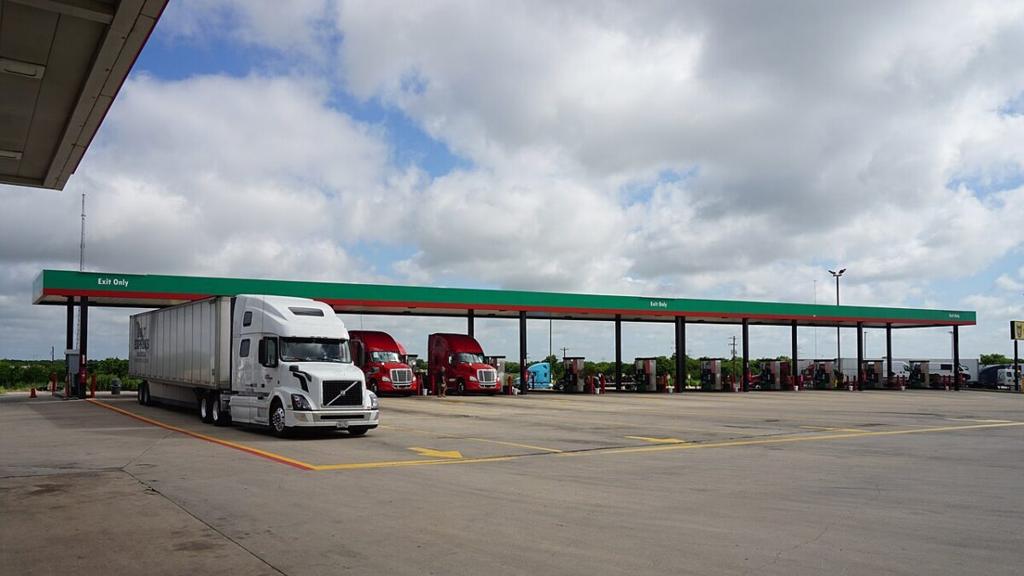
The U.S. Supreme Court ruled on May 14 that freight brokers can be held legally responsible for hiring unsafe trucking companies, a decision that could reshape the industry following a troubling rise in crashes involving noncitizen drivers. This unanimous ruling in the case Montgomery v. Caribe Transport II, LLC, addresses a significant gap in accountability within the freight brokerage sector, where brokers previously faced little to no liability for the actions of the trucking companies they hired.
The ruling comes amid rising concerns over safety in the trucking industry, particularly as it relates to drivers in the country illegally. According to the Department of Transportation, 30 people died in 17 semi-truck crashes caused by noncitizen commercial truck drivers in 2025, a figure that many experts believe is an undercount. Critics argue that the lack of oversight in the hiring practices of freight brokers has contributed to this alarming trend.
Prior to the Supreme Court's decision, the legal landscape for freight brokers varied significantly by state, with some regions allowing claims against brokers while others did not. This inconsistency left victims of trucking accidents with differing legal options based on where the crash occurred. The ruling aims to standardize accountability across the nation, ensuring that brokers cannot evade responsibility for hiring unsafe carriers.
Background on Freight Brokers
Freight brokers play a crucial role in the transportation industry by connecting shippers with trucking companies. They manage the logistics of freight transport and profit from the difference between what shippers pay and what they pay the carriers. However, until now, brokers had little incentive to ensure that the trucking companies they hired adhered to safety regulations. Justice Brett Kavanaugh, in his concurring opinion, described the situation as a “black hole with no meaningful safety-related regulation,” highlighting the lack of federal oversight in how brokers select carriers.
The Supreme Court's decision changes this dynamic, holding that brokers must exercise due diligence in their hiring practices. Previously, brokers could hire carriers with poor safety records without facing legal consequences, as long as those carriers were federally registered. This loophole allowed unsafe trucking companies to operate without accountability, often leading to tragic outcomes.
Implications for the Industry
The transportation industry has reacted predictably to the ruling, with some stakeholders warning that increased liability for brokers could lead to a shortage of available trucks. Critics within the industry argue that brokers will gravitate toward larger, well-capitalized trucking companies with clean safety records, potentially sidelining smaller operators who may struggle to meet the new standards.
However, supporters of the ruling argue that it will ultimately lead to safer highways. By holding brokers accountable, the hope is that they will implement stricter vetting processes for the trucking companies they hire. As truck driver Gord Magill noted, “There is a symbiotic problem right now between the increase in brokers and the increase in chameleon carriers,” referring to companies that evade regulations by frequently changing their identities.
The ruling is expected to encourage brokers to prioritize safety over cost-cutting measures, which have historically led to the hiring of unsafe carriers. This shift could reduce the number of high-risk trucking companies operating on U.S. highways, ultimately benefiting public safety.
Future Considerations
While the Supreme Court's decision marks a significant step toward improving safety in the trucking industry, it may also create challenges as the industry adjusts to the new legal landscape. Experts anticipate a transitional period as brokers and trucking companies redefine what constitutes a safe carrier and how to implement defensible selection processes.
The ruling has not gone without criticism, particularly from those who fear it may lead to increased shipping costs for consumers. Industry advocates argue that the potential for higher costs could disproportionately affect small businesses and consumers alike. However, proponents maintain that the long-term benefits of safer roads and reduced accidents will outweigh these concerns.
As the industry grapples with the implications of this landmark ruling, the focus will likely remain on how effectively freight brokers can adapt to their new responsibilities and whether this change will lead to a measurable decrease in trucking accidents involving unauthorized drivers.