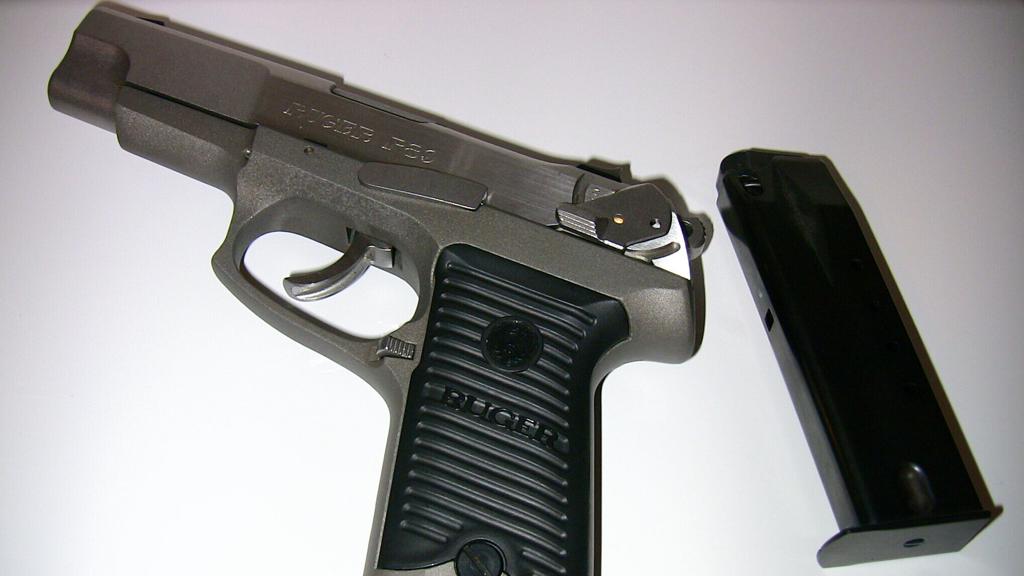
The Department of Justice (DOJ) announced it will no longer prosecute federally licensed firearm dealers who sell handguns and handgun ammunition to adults aged 18 to 20, following a new legal opinion that the longstanding federal ban violates the Second Amendment. This marks a significant shift in federal firearms enforcement, raising questions about the future of age-based gun restrictions and the ongoing balance between public safety and constitutional rights.
The federal prohibition, in place since the Omnibus Crime Control and Safe Streets Act of 1968, had barred licensed dealers from selling handguns to individuals under 21. Congress originally justified the law by citing a correlation between handgun access and violent crime. The restriction was upheld by the 5th Circuit in 2012. However, recent court decisions, including Reese v. Bureau of Alcohol, Tobacco, and Firearms and the Supreme Court's New York State Rifle & Pistol Association v. Bruen, have prompted a reevaluation of such regulations and their compatibility with the Second Amendment.
DOJ’s Legal Opinion
Assistant Attorney General T. Elliot Gaiser stated Friday that the DOJ’s Office of Legal Counsel found the federal ban inconsistent with the Second Amendment. As a result, the department "may not constitutionally seek to impose criminal penalties on dealers who sell handguns to law-abiding adults who, in nearly every other relevant respect, are members of the political community."
"The Constitution protects the people’s right to keep and bear arms. The Department of Justice may not constitutionally seek to impose criminal penalties on dealers who sell handguns to law-abiding adults who, in nearly every other relevant respect, are members of the political community."
— T. Elliot Gaiser, Assistant Attorney General
The DOJ’s opinion, released by the Office of Legal Counsel, concluded that federal statutes 18 U.S.C. § 922(b)(1) and (c)(1) cannot be enforced against dealers selling handguns to otherwise eligible 18- to 20-year-olds. The department cited Supreme Court precedents, including District of Columbia v. Heller and Bruen, as the basis for its determination. The DOJ also noted that at the time of the nation's founding, militia statutes typically required service beginning at age 18 and required enrollees to provide their own firearms, suggesting that 18-year-olds were historically considered part of the political community entitled to bear arms.
The legal opinion reflects a broader shift in how the federal government interprets the Second Amendment in light of recent Supreme Court decisions. The DOJ emphasized that its new position is based on the current legal landscape, which requires gun regulations to be consistent with the nation's historical tradition of firearm regulation.
Impact on Dealers and States
The DOJ emphasized that while the federal statute remains on the books, it will not pursue criminal penalties against dealers who sell handguns to adults aged 18 to 20, provided those individuals are otherwise eligible under federal law. This means that, although the law technically still exists, federal prosecutors have been instructed not to enforce it against dealers making such sales.
The department clarified that this policy change does not affect state laws that independently prohibit such sales. Licensed dealers must continue to comply with any applicable state restrictions regarding handgun sales to individuals under 21. Some states have their own laws that set the minimum age for handgun purchases at 21, and those laws remain in effect regardless of the DOJ’s new federal policy.
The 5th Circuit's decision in Reese v. ATF previously found no historic tradition justifying a ban on handgun sales to 18- to 20-year-olds, but its ruling applied only to states within its jurisdiction. The DOJ’s new stance extends the effect nationwide, instructing federal prosecutors not to pursue cases against dealers for such sales in any state, unless state law specifically prohibits them.
Legal and Political Context
The Supreme Court’s Bruen decision established that gun control laws must align with the nation’s historical tradition of firearm regulation. The DOJ’s legal opinion reflects this standard, stating it "found no Founding era history or tradition of precluding legal adults from purchasing firearms to protect public safety."
Gun control advocates have argued that age restrictions are necessary to reduce gun violence, pointing to research that suggests younger adults are at higher risk for involvement in violent incidents. They maintain that such limits are a reasonable measure to protect public safety. On the other hand, gun rights groups contend that age-based restrictions infringe on the constitutional rights of legal adults, and that the Second Amendment does not permit such categorical bans.
The DOJ did not indicate whether it would seek legislative changes to the statute, and Congress has not repealed the law. Supporters of the age restriction have not yet responded to the DOJ’s announcement. The department’s decision is likely to prompt further debate in Congress and among advocacy groups on both sides of the gun control issue.
The DOJ’s decision does not alter state-level restrictions, and licensed dealers must continue to comply with applicable state laws regarding handgun sales to individuals under 21. The policy shift is expected to have its greatest impact in states that do not have their own age-based restrictions, effectively allowing 18- to 20-year-olds in those states to purchase handguns from licensed dealers for the first time in decades.
The DOJ’s announcement reflects the evolving legal landscape surrounding gun rights and federal authority. As the debate continues, the department’s new policy will likely face scrutiny from lawmakers, advocacy groups, and the courts, with potential implications for other age-based restrictions and firearm regulations in the future.