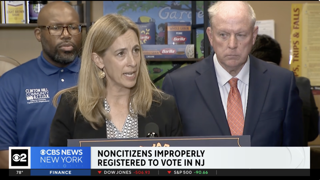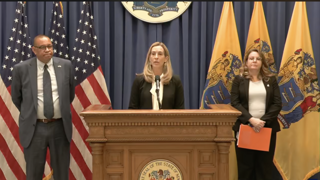
New Jersey officials have acknowledged that more than 6,000 noncitizens were added to the state's voter rolls due to a software error, and nearly 400 of them cast ballots, according to statements from Governor Mikie Sherrill's office and reporting by Politico. The registrations occurred between June 2023 and June 2024, after individuals indicated they were not U.S. citizens but were registered anyway by the state's motor vehicle system.
Explainer The SAVE America Act: Defending Election Integrity with Strong Voter Eligibility Laws
The incident has intensified scrutiny of voter registration systems, with critics arguing that current safeguards are inadequate to prevent unauthorized voting. The situation has also fueled debate over the effectiveness of existing election integrity measures and the need for additional reforms.
Software Error and Registration Breakdown
The issue emerged after Governor Sherrill, a Democrat, announced that a “software error” in the motor vehicle system led to the registration of approximately 6,600 people who had indicated they were not U.S. citizens. Of those, nearly 400 went on to vote, according to the governor’s office. The system, which relies on applicants to attest to their citizenship status, does not require documentary proof of citizenship for registration.
The registrations were made possible by the state's automatic voter registration system, which is triggered when individuals interact with the motor vehicle department. Under this system, applicants are asked to confirm their citizenship status, but the process depends on self-attestation rather than documentary evidence. The error allowed noncitizens who had explicitly indicated their ineligibility to be added to the voter rolls regardless.
Broader Concerns About Systemic Vulnerabilities
Election officials and campaign consultants from both parties told Politico that the number of noncitizens added to voter rolls may be higher than the 6,600 cited, since automatic registration has been in place since 2018 and the reported figure covers only a single year. One unnamed election official described the process as “the honor system.”
"There’s little to stop noncitizens from registering to vote if they want to, or even by mistake."
— Matt Friedman, Politico reporter
The vulnerability stems from the federal voter registration system, which allows the use of a Social Security number or driver’s license for identity verification. Both documents can be obtained by noncitizens, meaning the system depends on applicants’ honesty and correct software processing. The National Voter Registration Act requires states to offer registration at motor vehicle departments, but only asks applicants to attest under penalty of perjury that they are citizens.
Legislative Debate and Partisan Divide
Republican lawmakers have cited these weaknesses in their push for the Safeguard American Voter Eligibility (SAVE) America Act, which would require documentary proof of citizenship to register. Democrats have so far refused to support the measure, despite some bipartisan agreement that the registration system is flawed. Politico previously reported that “Democrats and Republicans agree the registration system is a mess,” but Democrats have not joined Republicans in backing the SAVE America Act.
The debate over noncitizen voting has been ongoing, with some media outlets and Democratic officials previously characterizing the issue as rare or overblown. In February, Politico’s Dana Nickel wrote that noncitizen voting was “extremely rare” and that state election offices regularly assess voter rolls to curb fraud. However, recent admissions by New Jersey officials have prompted renewed attention to the scale of the problem.
Republicans argue that the latest revelations validate their concerns and legislative efforts. Supporters of the current system maintain that voter fraud remains rare and that existing penalties for false attestation are sufficient deterrents. Democratic officials have not issued new statements addressing the latest disclosures.
National Implications and Ongoing Debate
The New Jersey case has brought national attention to the reliance on self-attestation in voter registration and the potential for software or administrative errors to undermine election integrity. The SAVE America Act remains a point of contention in Congress, with its future uncertain as debate continues over the appropriate balance between access and security.
The incident has also prompted calls for states to review their voter registration processes and consider whether additional safeguards are necessary. While some lawmakers argue for stricter requirements, others caution against measures that could make it harder for eligible citizens to register and vote.