Supreme Court Justice Sonia Sotomayor has publicly expressed her hope that the Supreme Court will overturn its recent decision granting former presidents broad immunity from criminal prosecution for official acts. Speaking at a civic education event in Virginia, Sotomayor described the ruling as "crazy" and made clear her strong disagreement with the majority opinion.
Explainer Understanding the Supreme Court’s Impact on Law and Liberty
Her remarks highlight a significant divide within the Court regarding the scope of presidential power and the implications for executive accountability. The issue has become a focal point in ongoing debates about the limits of presidential authority and the role of the judiciary in checking executive actions.
Sotomayor’s Public Critique
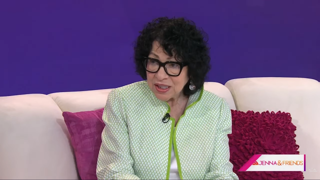
Justice Sotomayor addressed the audience at George Washington’s Mount Vernon estate on Saturday, participating in a discussion focused on civic education. During the event, she openly criticized several recent Supreme Court decisions, singling out the 2024 presidential immunity ruling as particularly concerning.
"I dissent a lot. I’m hoping that the court will take back some of the crazy things that it’s done," Sotomayor told attendees. She later clarified that her comments were not made in jest, emphasizing her sincere desire to see the immunity decision reconsidered. "No, seriously. You know, I’ve spoken openly about this, there are some opinions that I hope in my lifetime will get overturned. The immunity case is one of them."
Sotomayor’s comments reflect ongoing frustration among the Court’s liberal justices regarding recent decisions by the conservative majority. Her remarks underscore her belief that the immunity ruling poses risks to the principle of accountability for those who hold the nation’s highest office.
Details of the Immunity Ruling
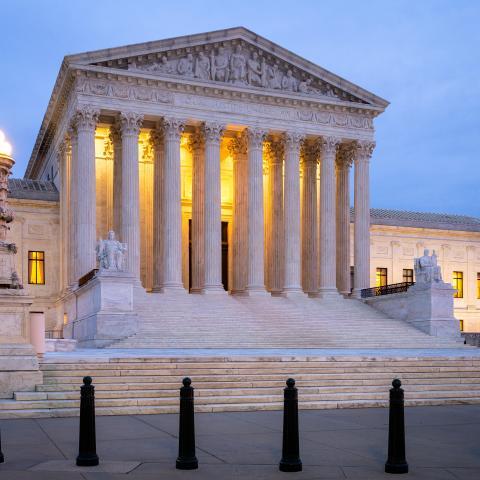
The Supreme Court’s 2024 decision in Trump v. United States was decided by a 6-3 vote, with the Court’s conservative majority holding that former presidents enjoy absolute immunity from criminal prosecution for actions within their core constitutional powers. The ruling also established that former presidents have at least presumptive immunity for other official acts carried out while in office. However, the decision made clear that conduct unrelated to official presidential responsibilities is not protected by immunity.
Justice Sotomayor, along with other liberal justices, dissented from the majority opinion. In her dissent, she argued that the ruling could undermine the principle that no one, not even a president, is above the law. Critics of the decision, including Sotomayor, warn that it could shield presidents from accountability for unlawful acts committed during their time in office.
Supporters of the ruling, on the other hand, argue that it is necessary to preserve the independence of the executive branch and to protect former presidents from politically motivated prosecutions. They contend that without such protections, the threat of legal action could hinder a president’s ability to govern effectively.
As of Saturday, no current conservative justice has publicly responded to Sotomayor’s latest remarks regarding the immunity decision. The ruling remains a subject of intense debate among legal scholars, policymakers, and the public.
Broader Debate Over Executive Power
The Supreme Court’s decision on presidential immunity has intensified the broader debate over the balance between executive authority and legal accountability. Critics argue that granting broad immunity to former presidents could set a dangerous precedent, potentially allowing unlawful conduct to go unpunished if it is carried out under the guise of official duties.
Supporters of the decision maintain that it is essential to prevent judicial overreach and to ensure the stability of the executive branch. They argue that subjecting former presidents to criminal prosecution for official acts could open the door to politically motivated cases and disrupt the peaceful transfer of power.
The Court has not indicated any plans to revisit the issue of presidential immunity in the near future. However, Sotomayor’s public comments suggest that the debate is far from settled, and that questions about the limits of presidential power and accountability will continue to be a central issue for the Supreme Court and the nation.
Sotomayor’s remarks at Mount Vernon add to the ongoing public discussion about the role of the judiciary in interpreting the Constitution and safeguarding democratic principles. As the legal and political implications of the immunity ruling continue to unfold, the possibility of future challenges to the decision remains open.