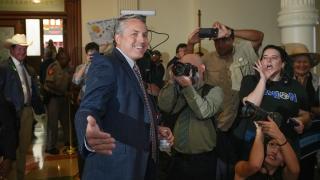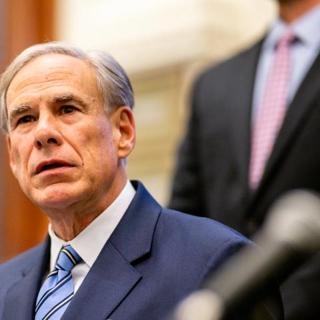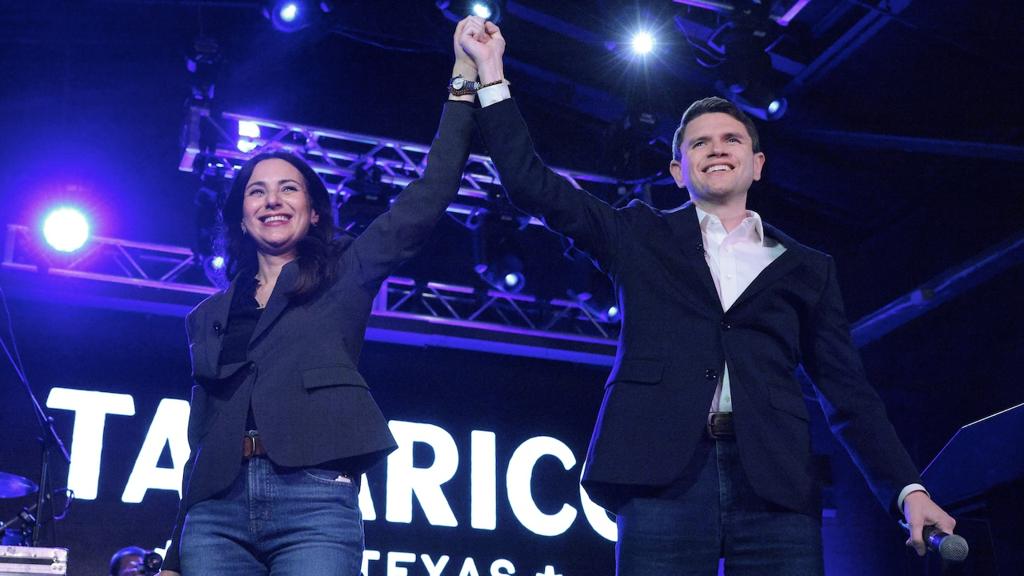
Democrat Gina Hinojosa has been elected governor of Texas, defeating three-term Republican Greg Abbott in a closely watched race. At the same time, Democrat James Talarico secured the state's Senate seat, prevailing over Republican Ken Paxton. These victories mark a significant political shift in Texas, as it is the first time since the 1990s that Democrats have held both the governorship and a U.S. Senate seat in the state.
Explainer Attorney General Ken Paxton’s Legal Impact on Texas Policies and Public Safety
The change in leadership has sparked intense debate over the future direction of Texas’s signature policies. Critics of the incoming administration warn that potential policy changes could undermine the factors that have made Texas attractive to businesses and new residents in recent years.
Texas has experienced rapid population growth, adding approximately 2.6 million residents since 2020. This surge has been attributed to several factors, including the absence of a state income tax, a relatively low cost of living, and robust job creation in industries such as manufacturing and aerospace. The Dallas area, sometimes referred to as “Y’all Street,” has been promoted as a business-friendly alternative to financial centers like New York City, further fueling migration and economic expansion.
Incoming Leaders’ Policy Records
Hinojosa’s legislative record has come under scrutiny from her political opponents, particularly regarding the issue of a state income tax. Opponents point to her 2019 vote against HJR 38, a measure that would have amended the Texas Constitution to ban a state income tax. Hinojosa has stated during her campaign that she does not support implementing a state income tax, but critics continue to highlight her previous comments about the need for a "third leg"—including income taxes—to support the state’s economy. This has led to ongoing concerns among some business groups and conservative organizations about the potential for future tax policy changes under her administration.
James Talarico, who will represent Texas in the U.S. Senate, has also attracted attention for his policy positions and past statements. Talarico has previously described capitalism as an oppressive system, linking it to issues such as climate change and white supremacy. He has characterized Immigration and Customs Enforcement (ICE) as a "secret police force" and has advocated for dismantling capitalism. During his campaign, Talarico emphasized the need to address what he described as interconnected systems of oppression.
"I think only [by] ending the ways that all three of those oppressive systems work together are we going to be able to begin the process of dismantling them."
— James Talarico, incoming Texas Senator
Immigration and Law Enforcement Stances
On immigration and law enforcement, Hinojosa has consistently voted against measures aimed at strengthening border enforcement. Her voting record includes opposition to the creation of a homeland security division within the Texas Department of Public Safety, as well as against a bill to build a state border wall. She has also voted against legislation that would increase penalties for human smuggling, ban sanctuary cities, and make illegal entry into Texas a state crime.
Public opinion in Texas on immigration enforcement remains divided but leans toward stricter measures. A 2025 survey cited in reporting found that 60% of Texans supported mass deportation of most people in the country illegally. Additionally, 72% favored increasing targeted deportations for denied asylum claims, and 73% supported limiting asylum claims overall.
The Department of Homeland Security, in a statement issued in September 2026, noted that states with higher deportation rates of unauthorized immigrants have experienced the largest decreases in rent. The agency suggested a link between immigration enforcement and housing costs, posting, “Want lower cost of living: support mass deportations.” This statement has added another dimension to the ongoing debate over immigration policy in Texas.
Concerns Over Executive Powers
The transition in leadership has also renewed focus on the scope of executive powers in Texas. State Representative Brian Harrison has called for a special legislative session to limit the governor’s emergency powers before Hinojosa takes office. Harrison, who previously filed legislation to restrict these powers after his own election, warned that Hinojosa has pledged to use emergency authority to influence electricity markets, a move he and other critics argue could set a concerning precedent.
“People are shocked to learn that in Texas we have these absurd and unconstitutional laws that give the governor the power to just govern by edict the way Joe Biden did and govern by executive fiat.”
— Brian Harrison, Texas State Representative
Harrison also noted that Hinojosa has previously expressed interest in repealing some of these laws, but said it remains to be seen whether she will act on that position once in office. The debate over executive authority in Texas has intensified in recent years, particularly in the wake of the COVID-19 pandemic, when emergency powers were used to impose and lift restrictions.
Supporters of Hinojosa and Talarico have not publicly addressed these criticisms since the election. As the new administration prepares to take office, the policy direction of Texas remains a subject of close scrutiny and debate among residents, business leaders, and political observers alike.