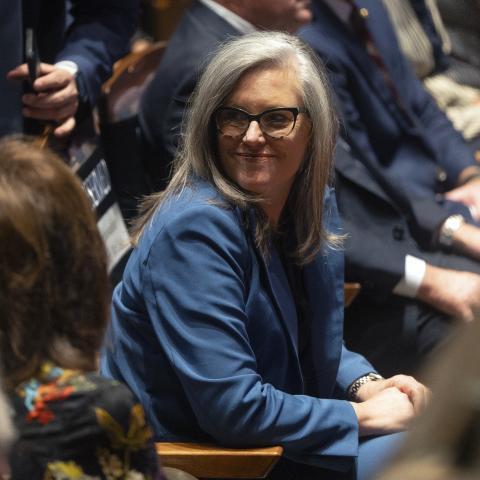
Democrats have achieved a significant milestone in Arizona politics, gaining control of both chambers of the state Legislature while retaining the governor’s office. This development marks the first time since 1966 that Democrats have held a full governing trifecta in Arizona, giving the party unified authority over the state’s legislative and executive branches. The shift comes as part of a broader national trend in Tuesday’s election, with Democrats also securing both chambers of Congress, according to reporting from Just the News.
Explainer Arizona's Electoral Landscape: Election Integrity and Social Policy Challenges
For decades, Arizona has been known for its divided government, with Republicans maintaining control over at least one branch of state government. The new Democratic majority ends years of split power, setting the stage for a new era in state policymaking. The results are expected to have a significant impact on the direction of Arizona’s legislative agenda, as Democrats now have the ability to advance their priorities without the gridlock that has characterized previous sessions.
During her first term, Democratic Governor Katie Hobbs faced a Republican-controlled Legislature, resulting in frequent clashes over policy. Hobbs vetoed more than 540 bills passed by the Legislature, blocking measures related to taxes, immigration, and voting laws, according to the Associated Press. Her record number of vetoes underscored the partisan divide between the executive and legislative branches. With Democrats now in control of the House, Senate, and governor’s office, the party is positioned to move forward on its legislative goals with fewer obstacles.
Hobbs' Priorities for Arizona
Governor Hobbs has outlined her priorities for the coming term, emphasizing the importance of addressing Arizona’s water challenges and affordability issues. She has also pledged to focus on oversight of the state’s school voucher program, aiming to crack down on fraud and abuse.
"I want to prioritize addressing Arizona’s water challenges and affordability concerns while cracking down on fraud and abuse in the state’s school voucher program."
— Katie Hobbs, Governor of Arizona
Democratic Gains in Recent Elections
The Democratic victories in Arizona are part of a broader pattern seen in the recent election cycle. Nationwide, Democrats made significant gains, including taking control of both chambers of Congress. This marks a notable shift in the political landscape, both in Arizona and across the country.
Republican leaders in Arizona have not yet issued a formal response to the Democratic sweep. In the past, supporters of the outgoing Republican majority have argued that divided government provided necessary checks and balances, preventing one party from holding unchecked power. The end of divided government in Arizona is likely to prompt debate over the benefits and drawbacks of unified party control.
With their new majority, Arizona Democrats are expected to revisit key legislative issues that have been stalled in previous sessions. Water policy is likely to be a top priority, as the state faces ongoing challenges related to drought and resource management. Education funding is also expected to receive renewed attention, particularly in light of concerns about the state’s school voucher program. In addition, Democrats may pursue changes to social programs and other areas that have been the subject of partisan disagreement in recent years.
The coming legislative session will be closely watched by both supporters and critics of the new Democratic majority. Observers will be looking to see how the party uses its unified control to advance its agenda, and whether it can deliver on promises related to water, education, and affordability. The shift in power also raises questions about how Republicans will respond and adapt to their new role in the minority.
Arizona’s political landscape has undergone a significant transformation, reflecting broader changes at the national level. The Democratic trifecta marks a new chapter in the state’s governance, with the potential to reshape policy and priorities for years to come.