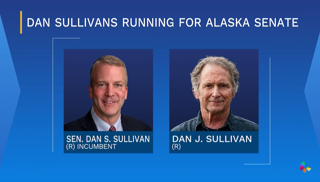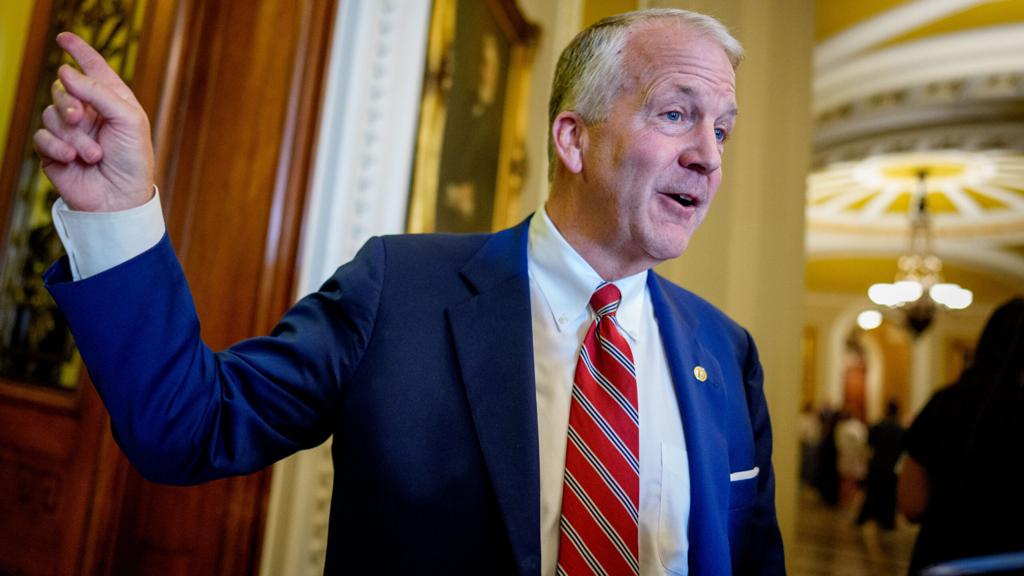
At least 90 ballots have been disqualified in Alaska’s U.S. Senate race after voters marked both Republican Sen. Dan S. Sullivan and independent Dan J. Sullivan as their first choice. The contest remains separated by fewer than 700 votes, and the outcome could hinge on how spoiled ballots and ranked-choice allocations affect the razor-thin margin between Democrat Mary Peltola and incumbent Sullivan.
Explainer Navigating Indiana’s Election Landscape: Key Races, Legal Battles, and Political Shifts
The race has drawn national attention due to the presence of two candidates named Dan Sullivan and the use of ranked-choice voting, which has led to confusion and legal challenges. More than 20% of the vote remains uncounted, with mail ballots accepted until Nov. 13 if postmarked by Election Day. The Alaska Division of Elections will release another update Monday, and overseas ballots can arrive through Nov. 18. The final result may not be known until after all outstanding ballots are counted and legal challenges are resolved.
Ballot Spoilage and Legal Action
Sen. Sullivan’s campaign expects the number of tossed ballots to rise as more votes are counted. A Republican operative close to the campaign called the early number of spoiled ballots “abnormal” and predicted more would emerge in subsequent counts. The Justice Department has filed suit against the Alaska Division of Elections to block certification of a Peltola victory if evidence shows voters mistakenly selected Dan J. Sullivan instead of Dan S. Sullivan.
A campaign memo from Sullivan’s team argues that correcting overvotes could net the senator an additional 90 votes. The memo details that 233 ballots were voided at rank 1 due to two ovals being filled, with 145 pairing Dan Sullivan with his namesake or other candidates. If these are corrected, the campaign projects a net gain for Sullivan. The campaign is closely monitoring the process and has indicated it will pursue further legal remedies if necessary, citing voter confusion as a significant factor in the spoiled ballots.
Ranked-Choice Voting Dynamics
Under Alaska’s ranked-choice system, if no candidate secures a majority in the first round, additional rounds redistribute votes from eliminated candidates. Peltola currently leads the first round, but the Sullivan campaign claims it could gain ground in later rounds. According to the campaign, Heikes voters who ranked another candidate broke for Sullivan 71% to 29%, and transfers from Dan J. Sullivan’s ballots could shift the margin by nearly 950 votes on counted ballots, with a potential further 130-vote swing on outstanding ballots if trends hold.
The New York Times reported that aides for Peltola’s campaign recruited Dan J. Sullivan to run, and that his second-choice voters have tended to favor Peltola. The Peltola campaign, in a press release and social media posts, argued that "a ranked-choice tabulation will not allow Sullivan to overtake Mary once all the votes are counted," citing the volume of early and absentee ballots. The campaign maintains that the number of second-choice votes available is insufficient to overcome Peltola’s lead, even if the majority of transfers break for Sullivan.
Criticism of the Voting System
Phil Izon, founder of Alaskans for Honest Elections, which opposes ranked-choice voting, said the situation is a direct result of the system and the jungle primary format.
"Decoy Dan is 100% a product of ranked-choice voting and a jungle primary. That combination turns Alaska elections into an insane clown show."
— Phil Izon, Alaskans for Honest Elections
Trent England, executive director of Save Our States, also criticized the system, linking the confusion to why ranked-choice voting was adopted. Izon further noted the absence of third-party representation on the general election ballot, despite promises made by proponents of the system. Critics argue that the combination of a jungle primary and ranked-choice voting has not delivered on its promise to broaden voter choice and has instead introduced new complications, such as voter confusion and the potential for decoy candidates.
Supporters of ranked-choice voting, however, argue that the system gives voters more flexibility and ensures that winners have broader support. They point to the ability of voters to rank candidates in order of preference as a way to reduce negative campaigning and encourage coalition-building. The current controversy has reignited debate over whether the system is appropriate for Alaska’s unique political landscape.
Responses and Next Steps
Peltola’s campaign has dismissed Sullivan’s chances, calling his path to victory “fictitious.” The campaign maintains that the number of second-choice votes available is insufficient to overcome Peltola’s lead. The Alaska Division of Elections is set to provide another update on Monday as counting continues, with the final deadline for overseas ballots on Nov. 18. Both campaigns are preparing for the possibility of a recount or further legal action, depending on the final margin and the resolution of spoiled ballot disputes.
As the count continues, observers across the country are watching to see how Alaska’s ranked-choice voting system handles one of its most complicated tests yet. The outcome may influence future debates over election reforms, both in Alaska and nationwide.