Races for U.S. Senate seats in Alaska and Mississippi remained unresolved Wednesday morning, as both contests showed razor-thin margins and neither state had declared a winner. The outcome in both states could influence the balance of power in the Senate, with Alaska's ranked choice voting system and Mississippi's potential for historic representation adding to the uncertainty.
Explainer Navigating Indiana’s Election Landscape: Key Races, Legal Battles, and Political Shifts
Alaska Senate Race: Ranked Choice Voting and Controversy
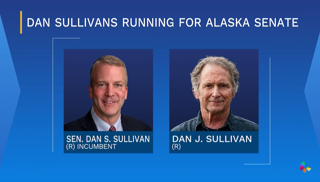
In Alaska, incumbent Republican Sen. Dan Sullivan held a narrow lead over Democratic challenger Mary Peltola, according to the Associated Press. Two additional candidates, Gerald L. Heikes and Daniel J. Sullivan Jr., were also on the ballot. Early Tuesday, Peltola led the race, but Sullivan overtook her overnight as more votes were counted. As of Wednesday morning, Heikes had 2.2% of the vote and Daniel J. Sullivan Jr. had 1.7%, with both major candidates still below the 50% threshold required to avoid Alaska's ranked choice runoff process.
Alaska's ranked choice voting system, implemented to ensure majority support for the winning candidate, has drawn scrutiny in close races, especially when multiple candidates with similar names appear on the ballot. If no candidate receives a majority of first-choice votes, the lowest-performing candidate is eliminated and their votes are redistributed based on voters' next preferences. This process continues until one candidate surpasses 50%, potentially delaying final results for weeks. In previous Alaska Senate races, significant portions of the vote were counted overnight, but final outcomes sometimes took weeks due to absentee and early ballots.
A controversy emerged in this year's race over the presence of Daniel J. Sullivan Jr. on the ballot, a candidate with a name nearly identical to the incumbent. Some accused Peltola's campaign of orchestrating the inclusion of the second Sullivan to confuse voters and siphon off votes from the incumbent. Peltola denied she had anything to do with the second Sullivan running in the race. The controversy led to lawsuits and investigations, adding further complexity to the process. Supporters of ranked choice voting argue it prevents candidates from winning with only a plurality, while critics say it can confuse voters and prolong uncertainty, especially in races with candidates sharing similar names.
Mississippi Senate Race: Historic Stakes and Tight Margins
In Mississippi, Democrat Scott Colm, a local prosecutor, and Republican incumbent Cindy Hyde-Smith were running nearly even as of Wednesday morning. If Colm prevails, he would become Mississippi's first Black senator since the Reconstruction era, marking a significant milestone in the state's political history. Both campaigns have emphasized the high stakes, but neither side has claimed victory or conceded. The close race has drawn national attention, with observers noting the potential for historic change in the state's representation in the U.S. Senate.
Election officials in Mississippi have not provided a timeline for when all ballots will be counted and a winner declared. The state has seen competitive Senate races in recent years, and the current contest reflects broader national trends of closely fought elections. Both campaigns have mobilized supporters and legal teams in anticipation of a potentially prolonged counting process, especially if absentee and provisional ballots play a decisive role.
Broader Implications and National Trends
The close margins in these races reflect broader national trends of competitive Senate contests and highlight the impact of voting systems and candidate strategies on election outcomes. The use of ranked choice voting in Alaska and the potential for historic representation in Mississippi have added layers of complexity and significance to these races. Observers are watching for updates as additional ballots are tallied and legal challenges play out.
In both states, officials have not provided a definitive timeline for when all ballots will be counted and winners declared. The Associated Press noted that in previous Alaska Senate races, final outcomes sometimes took weeks due to the time required to count absentee and early ballots. Similarly, in Mississippi, the close race and the potential for legal challenges could delay a final result.
As the vote counting continues, both Alaska and Mississippi remain at the center of national attention. The unresolved Senate races underscore the importance of every vote and the potential for even small margins to determine the balance of power in Congress. With legal challenges, investigations, and the complexities of different voting systems at play, the final outcomes in both states may not be known for some time.