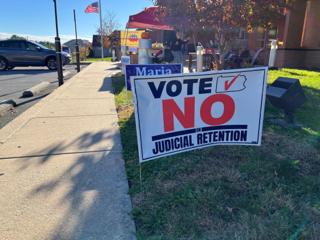
Idaho voters decisively rejected Proposition 1 on Tuesday, with approximately 56 percent opposing and 44 percent supporting the measure that would have established a state constitutional right to abortion and other reproductive health care. The outcome preserves Idaho’s existing law, which criminalizes abortion except in cases of documented rape, incest, or when the pregnancy endangers the mother’s life. The vote reflects the ongoing debate over abortion access in the wake of recent Supreme Court decisions that have shifted authority over abortion laws to the states.
Explainer The Complex Legal Landscape of Abortion Laws After Dobbs
The vote followed months of high-profile campaigning and significant spending from both sides. Idahoans United for Women and Families, the main group backing Proposition 1, spent $5.8 million, outpacing the $2 million spent by pro-life organizations. The campaign drew national attention, including appearances by celebrity Chrissy Teigen and support from Planned Parenthood Alliance Advocates. Supporters argued the measure would restore access to abortion, birth control, and in vitro fertilization (IVF) up to fetal viability, with exceptions for medical emergencies and fetal anomalies.
What Proposition 1 Proposed
Proposition 1 sought to amend Idaho’s constitution to guarantee a right to reproductive freedom and privacy. Specifically, it would have allowed abortion up to fetal viability and expanded the pool of who could perform the procedure. The measure also aimed to redefine what constitutes a "medical emergency" and remove penalties for those performing abortions, regardless of their medical licensure. Supporters of the measure argued these changes were necessary to address what they described as a public health crisis. They cited reports of pregnant women being turned away by Idaho doctors and a significant decline in OB-GYNs practicing in the state since the abortion ban took effect.
Idahoans United for Women and Families pointed to the departure of 35% of the state's OB-GYNs between 2022 and 2024, leaving just 23 OB-GYNs across 37 rural counties. They warned that the shortage affects all pregnant Idahoans, not just those seeking abortions. Executive director Melanie Folwell called the defeat a "tremendous, frankly gutting, loss" and warned, "We will see more doctors leave the state as a result of this election."
Arguments From Both Sides
Opponents of Proposition 1, including the group Stop Prop 1, argued that the measure would allow "painful, late-term abortions" and undermine protections for premature infants. They warned that the expanded definition of fetal viability could "block lifesaving care" for babies born early and criticized the influence of out-of-state funding and advertising in the campaign.
"They saw through the smokescreen of deception and barrage of out-of-state funded ads that sought to rewrite our laws and reshape our values. Idaho is and will always be a state that values life and protects the unborn."
— Mary Strow, Stop Prop 1 communications director
Supporters of Proposition 1, including Planned Parenthood Alliance Advocates, argued that most Idahoans support legal abortion in some or almost all cases and that the measure would have restored rights lost after the Supreme Court’s Dobbs v. Jackson decision. They cited cases of women being airlifted out of state for emergency care and said the law's restrictions have created a crisis for patients and providers. However, critics maintained that the measure went too far and did not reflect Idaho’s values.
Broader Context and Public Opinion
The vote comes amid a national debate over abortion access following the Supreme Court’s overturning of Roe v. Wade. According to the Pew Research Center’s 2026 American Trends Panel, support for "unlimited abortion-for-all" policies has dropped to 23 percent nationally, the lowest since 2019 and down six points from shortly after the Dobbs decision. Idaho’s result aligns with this trend, as voters opted to keep the state’s strict abortion laws in place.
Idaho’s Proposition 1 campaign was the first statewide vote on abortion since the Supreme Court’s ruling, and its defeat is likely to influence similar efforts in other states. The outcome signals that, at least for now, Idaho voters are not ready to amend the state constitution to expand abortion rights. Supporters of Proposition 1 have not indicated whether they will pursue another ballot measure in the future, but the debate over abortion access in Idaho is expected to continue as advocates on both sides assess their next steps.